
Fasciotomy
At a glance
- Purpose
- Release dangerous pressure inside a muscle compartment
- Setting
- Urgent hospital and surgical care
- Follow-up
- Wound management, monitoring, and rehabilitation
Find care
Hospitals & Medical Centers in Abu Dhabi
Licensed hospitals & medical centers listed in Abu Dhabi. Appearing here means a provider holds a UAE licence in this category — not that it offers fasciotomy, which is worth confirming with the clinic before you book.
Ahalia Hospital Musaffah Building - Musaffah - Musaffah Industrial - Abu Dhabi - United Arab Emirates
Accepts: Daman, Thiqa, AXA, Cigna +26 more
Al Ruwais Industrial City - Abu Dhabi - United Arab Emirates
Accepts: Daman, Thiqa, AXA, Cigna +30 more
Abu Dhabi, Abu Dhabi
Accepts: Daman, Thiqa, AXA, Cigna +30 more
Plot No. 11-12, SE 44 Khalifa City A - مدينة خليفة - جنوب شرق 44 - أبو ظبي - United Arab Emirates
Accepts: Daman, Thiqa, AXA, Cigna +26 more
7 Al Kawadir 2 St - Khalifa City - SE44 - Abu Dhabi - United Arab Emirates
Accepts: Daman, Thiqa, AXA, Cigna +25 more
Mohammed Bin Khalif Street 669, Al Mussala, Abu Dhabi, Abu Dhai - 35453 - 669 Mohammed Bin Khalifa St - Al Manhal - W15 02 - Abu Dhabi - United Arab Emirates
Accepts: Daman, Thiqa, AXA, Cigna +22 more
Ordered by verification status and how complete each clinic's public record is, then alphabetically. This is a directory listing, not a ranking — Zavis does not rate or recommend providers.
A factual listing drawn from the DHA, DOH and MOHAP licence registers. It is not a referral, an endorsement, or advice that any of these providers is right for you.
What is a fasciotomy?
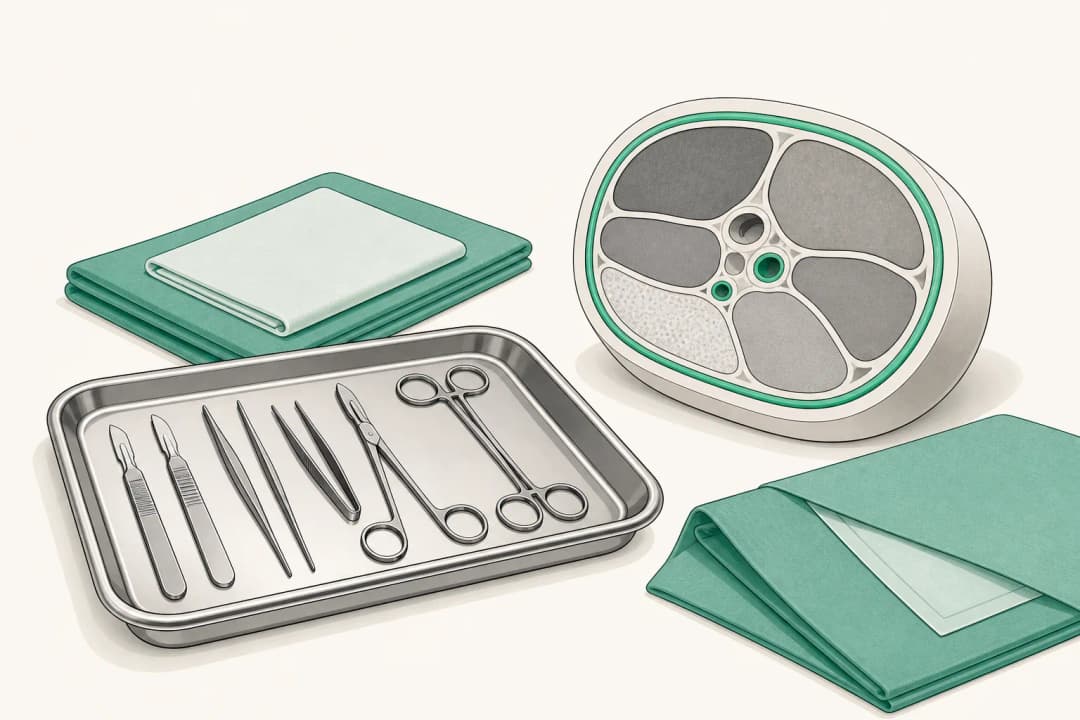
Fasciotomy is urgent surgery that opens a tight muscle compartment to relieve pressure and protect affected nerves, muscles, and blood flow.
A fasciotomy is a surgical release of the firm tissue covering a group of muscles. When pressure builds inside that space, swelling can restrict circulation and compress nerves. The surgeon makes an incision through the covering so the muscles have room to expand. The wound may be left open temporarily while swelling settles and may later need closure or skin coverage.
How fast will I feel a difference?
The operation is intended to relieve pressure promptly, but it does not instantly reverse tissue injury that has already occurred. Severe tightness may ease after decompression, while pain, swelling, weakness, or altered sensation can take longer to change. The surgical team monitors circulation, nerve function, wound appearance, and muscle condition closely after the procedure.
What are the side effects?
Expected effects include pain, swelling, bruising, limited movement, and a visible wound. Possible complications include infection, bleeding, wound-healing difficulty, nerve or muscle injury, and the need for another procedure. Report increasing pain, fever, spreading redness, new numbness, pale or cold fingers or toes, or worsening weakness immediately.
How long will I be on it?
Fasciotomy is an operation, not a medicine taken for a fixed course. Hospital monitoring may continue while swelling and circulation are assessed. Wound management, dressings, closure, and rehabilitation can extend over subsequent appointments. The total recovery depends on the affected limb, the cause of pressure, tissue damage, and any associated injury.
Key facts
Fasciotomy is usually considered when pressure inside a muscle compartment threatens tissue. It can involve the leg, forearm, hand, foot, or another affected region. Diagnosis and treatment are time-sensitive because pressure can impair blood flow and nerve function. The operation may be performed alongside treatment for a fracture, crush injury, bleeding, or marked swelling.
Who may need it?
It may be recommended for a person with suspected or confirmed Compartment Syndrome, particularly when examination findings and pressure concerns indicate that observation alone is unsafe. It can follow trauma, surgery, bleeding, or swelling. The decision is made urgently by the treating team; do not delay emergency assessment to arrange a routine appointment.
What happens during treatment?
The team assesses the limb, circulation, sensation, and movement, then prepares you for urgent surgery. Under appropriate anaesthesia, the surgeon makes an incision and releases the tight compartment coverings. The wound is inspected and dressed, often without immediate tight closure. After surgery, the limb is monitored and further wound treatment or closure is planned.
Recovery after fasciotomy
Early care focuses on circulation checks, pain control, swelling management, wound dressings, and safe positioning. Movement is introduced according to the surgical findings and any fracture or soft-tissue injury. Physiotherapy may later address joint mobility, strength, walking, hand use, and scar or wound function. Recovery may be longer when nerves or muscles were injured before release.
Risks and urgent warning signs
Every operation has risks, and fasciotomy also leaves a significant wound that may need staged care. Seek urgent review for severe or escalating pain, new numbness, loss of movement, a cold or discoloured limb, heavy bleeding, fever, or rapidly worsening swelling. Follow the surgical team’s dressing and weight-bearing instructions closely.
Are there alternatives?
Treatment depends on the pressure, its cause, and the condition of the limb. Removing a constricting dressing, correcting the underlying problem, and close monitoring may be considered in selected early situations, but they are not substitutes when tissue is threatened. The surgical team explains the safest option after examination.
Where to seek care
Suspected compartment pressure requires emergency assessment at a hospital with orthopaedic or trauma surgery support. For planned follow-up, choose a team that can coordinate wound care, surgery, rehabilitation, and management of the original injury. Bring discharge instructions and report any change in sensation, colour, pain, or movement.
Questions people ask
Is fasciotomy always planned in advance?
No. When pressure threatens the limb, it may be performed urgently after assessment.
Will the wound be closed immediately?
Often not; swelling may require dressings, reassessment, and delayed closure or skin coverage.
When is rehabilitation started?
The team introduces movement when it is safe, based on the wound, tissue condition, and associated injuries.
Related
Related reading
Keep reading
Medical disclaimer. This page is general health information, not medical advice, and it cannot diagnose you. Always consult a licensed healthcare provider about your own symptoms and treatment. In an emergency in the UAE, call 998 for an ambulance.