
Fasciotomy leg procedure: what to expect
Short answer
A leg fasciotomy releases tight tissue around swollen muscles to protect circulation, nerves, and movement.
This answers one question. It is not a diagnosis and does not replace an assessment by a licensed doctor.
At a glance
- What is released
- The fascia surrounding a pressurised muscle compartment
- After surgery
- The leg is monitored for circulation, sensation, swelling, and movement
- Rehabilitation
- Usually progresses from protected movement to walking and strengthening
How the procedure works
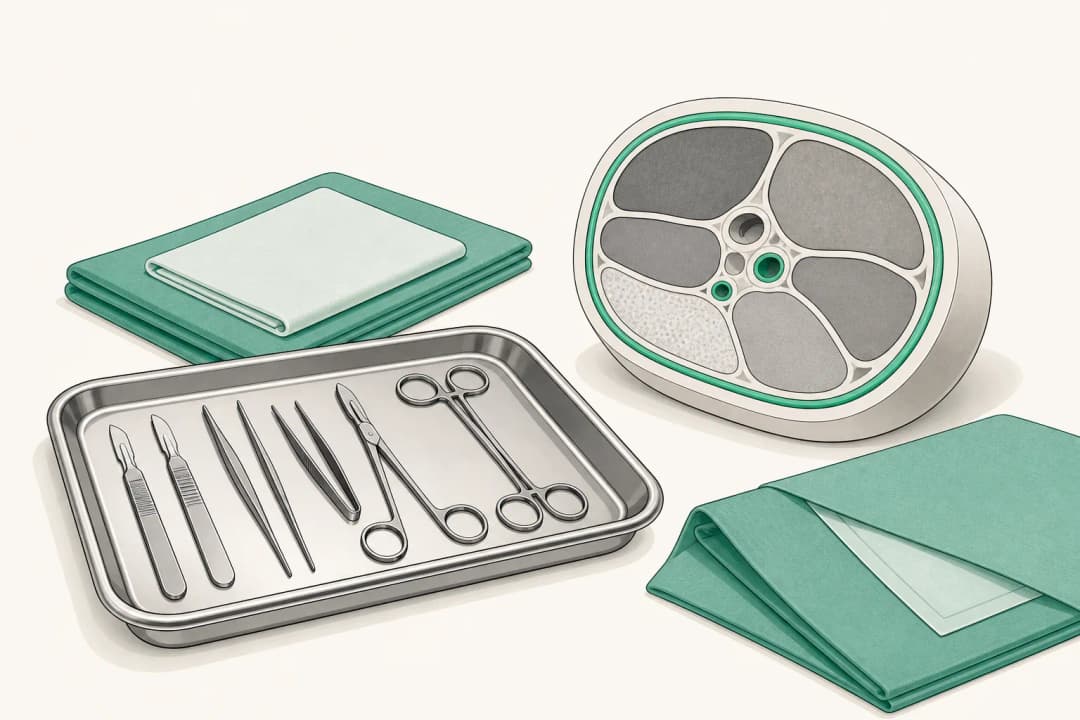
The leg contains compartments enclosed by strong fascia. After injury or bleeding, swelling inside one or more compartments can leave too little room for the tissues. During fasciotomy, the surgeon makes an incision through the skin and opens the fascia over the affected compartment. This lowers the pressure and allows the muscle to expand.
The operation may also include treatment of the original problem, such as stabilising an injury or controlling bleeding. The surgical wound is not always closed immediately. A temporary dressing, delayed closure, or skin graft may be discussed when swelling makes direct closure unsafe.
Preparing and recovering
Tell the hospital team about medicines, allergies, medical conditions, and the last time you ate or drank. After surgery, the leg is checked for circulation, sensation, swelling, and movement. Pain relief, wound care, clot prevention, and antibiotics may be considered according to your situation.
Follow weight-bearing and elevation instructions closely. Physiotherapy often starts with safe movement and gradually addresses strength, walking, and joint flexibility. The pace depends on the injury, the wound, and any additional operation. See [Fasciotomy](/treatments/trauma-and-fracture-care/fasciotomy/) for more treatment information.
When to seek urgent care
After discharge, seek urgent help for rapidly increasing pain, a suddenly tight or swollen leg, new numbness or weakness, toes that become pale or cool, heavy bleeding, or a wound that opens. Fever, spreading redness, worsening drainage, or an unpleasant smell should be reported promptly because they may indicate a wound problem.
Questions for your doctor
Which compartments were released? Will the wound need another procedure or a graft? When may I stand, walk, shower, and begin physiotherapy? Which changes in pain, sensation, or drainage should trigger an urgent call?
Find care
General Clinics & Polyclinics in Abu Dhabi
That answer is general. If you want it applied to your own case, these are licensed general clinics & polyclinics listed in Abu Dhabi.
27 Ar Ruwwad St - Shakhbout City - MSH4 - Abu Dhabi - United Arab Emirates
Accepts: Daman, Thiqa, Cigna, MetLife +20 more
Al Ruwais, Al Dhafrah
Accepts: Daman, Thiqa, AXA, Cigna +16 more
Al Bahyah - Al Bahyah Old - Abu Dhabi - United Arab Emirates
Accepts: Daman, Thiqa, Cigna, Allianz Care +18 more
Abu Dhabi
Accepts: Daman, Thiqa, AXA, Cigna +27 more
Ordered by verification status and how complete each clinic's public record is, then alphabetically. This is a directory listing, not a ranking — Zavis does not rate or recommend providers.
A factual listing drawn from the DHA, DOH and MOHAP licence registers. It is not a referral, an endorsement, or advice that any of these providers is right for you.
Questions people ask
Is the wound closed during the first operation?
Sometimes, but swelling may make delayed closure or a graft safer. Your surgeon will explain the planned wound strategy.
Will I need physiotherapy?
Many people need rehabilitation to restore joint movement, muscle strength, balance, and walking after the injury and operation.
Related
Related reading
Keep reading
Medical disclaimer. This page is general health information, not medical advice, and it cannot diagnose you. Always consult a licensed healthcare provider about your own symptoms and treatment. In an emergency in the UAE, call 998 for an ambulance.