
What should you know about fascia manual therapy?
Short answer
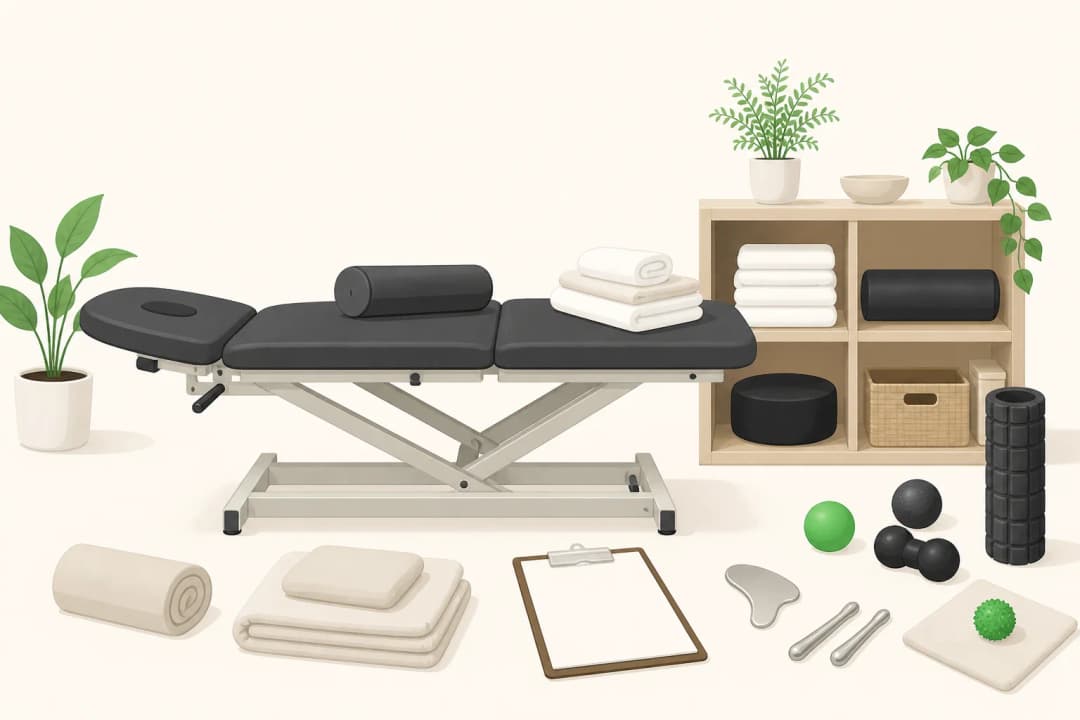
Fascia manual therapy is a hands-on treatment that works with connective tissue and nearby muscles to ease restriction, improve movement, and guide rehabilitation.
This answers one question. It is not a diagnosis and does not replace an assessment by a licensed doctor.
At a glance
- Approach
- Hands-on pressure combined with movement or stretching
- Main aim
- More comfortable movement and better soft-tissue mobility
- Aftercare
- Use the recommended exercises and report unusual symptoms
What the treatment involves
Fascia is a continuous layer of connective tissue around muscles and other structures. A physiotherapist may assess how an area moves, then use sustained pressure, gentle stretching, gliding strokes, or movement-based techniques. Treatment may focus on a painful region or on connected areas that alter how you load the body. The sensation can range from mild pressure to temporary tenderness; it should remain within a manageable level.
This approach may be included in care for movement-related problems such as Myofascial Pain Syndrome, neck stiffness associated with Cervical Spondylosis, or symptoms after Whiplash. It is one part of a broader plan, rather than a way to identify the cause of every pain.
How to prepare and recover
Tell the clinician about recent injuries, skin problems, altered sensation, blood-thinning medicines, and conditions that affect healing. Wear clothing that allows access to the area. During treatment, describe sharp pain, numbness, dizziness, or discomfort that does not settle when pressure is reduced. Afterward, follow the prescribed exercises and ordinary movement advice; gentle activity is often more useful than complete rest. Note how symptoms respond over the next day so the plan can be adjusted.
When to seek medical advice
Contact a clinician promptly if pain becomes severe or progressively worse, or if new weakness, spreading numbness, loss of balance, fever, marked swelling, or skin colour change appears. Seek urgent help for sudden loss of function, a cold or pale limb, or new bladder or bowel control problems. These signs need assessment rather than another manual session.
Questions to ask
Ask which tissue or movement finding the treatment is targeting, what improvement should be monitored, whether exercises should accompany it, and what symptoms mean the pressure should stop. You can also ask how this plan fits with Manual Therapy and whether another assessment is needed if progress is limited.
Find care
General Clinics & Polyclinics in Abu Dhabi
That answer is general. If you want it applied to your own case, these are licensed general clinics & polyclinics listed in Abu Dhabi.
27 Ar Ruwwad St - Shakhbout City - MSH4 - Abu Dhabi - United Arab Emirates
Accepts: Daman, Thiqa, Cigna, MetLife +20 more
Al Ruwais, Al Dhafrah
Accepts: Daman, Thiqa, AXA, Cigna +16 more
Al Bahyah - Al Bahyah Old - Abu Dhabi - United Arab Emirates
Accepts: Daman, Thiqa, Cigna, Allianz Care +18 more
Abu Dhabi
Accepts: Daman, Thiqa, AXA, Cigna +27 more
Ordered by verification status and how complete each clinic's public record is, then alphabetically. This is a directory listing, not a ranking — Zavis does not rate or recommend providers.
A factual listing drawn from the DHA, DOH and MOHAP licence registers. It is not a referral, an endorsement, or advice that any of these providers is right for you.
Questions people ask
Is fascia manual therapy the same as massage?
It can use some similar hands-on techniques, but a physiotherapist selects pressure and movement based on an assessment and rehabilitation goal.
Can it hurt afterward?
Mild temporary tenderness can occur, but severe or worsening pain should be reported and assessed.
Related
Related reading
Keep reading
Medical disclaimer. This page is general health information, not medical advice, and it cannot diagnose you. Always consult a licensed healthcare provider about your own symptoms and treatment. In an emergency in the UAE, call 998 for an ambulance.