
EtG urine test: what to know
Short answer
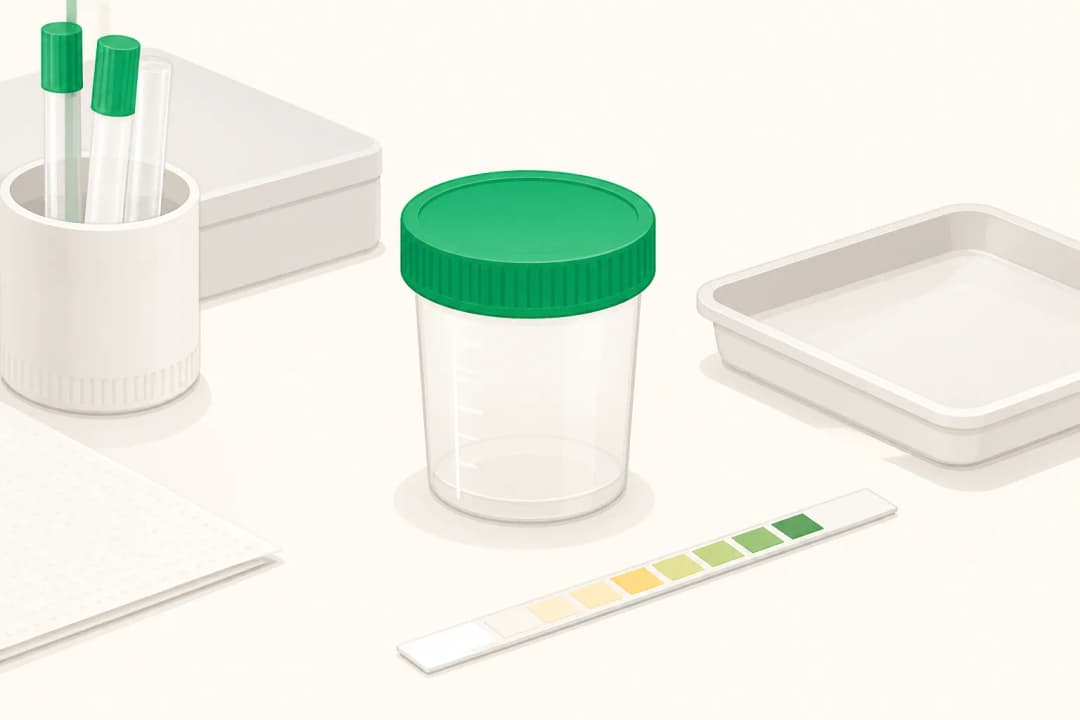
An EtG urine test looks for a breakdown product of alcohol exposure, so its result is not the same as measuring alcohol in the urine.
This answers one question. It is not a diagnosis and does not replace an assessment by a licensed doctor.
At a glance
- Sample
- A urine sample is analysed for ethyl glucuronide.
- Limit
- The result shows exposure information, not impairment or an exact amount consumed.
What the test measures
EtG, short for ethyl glucuronide, is formed when the body processes alcohol. A urine sample can therefore show previous exposure after the alcohol itself is no longer present. The result must be interpreted with the test method, collection conditions, timing, and reason for testing.
An EtG result does not by itself describe exactly how much alcohol was consumed or prove impairment at the time of collection. Some everyday products containing alcohol may matter, including certain mouthwashes, medicines, or sanitising products. Ask the testing service how it handles unexpected results. General background is available in [Urine Test](/treatments/diagnostics-and-screening/urine-test/).
Preparing for the sample
Follow the collection instructions and disclose prescribed medicines, over-the-counter products, supplements, and relevant personal-care products. Do not dilute, alter, or substitute a sample; unusual handling can affect validity and may require recollection.
If the result has serious personal, employment, legal, or treatment consequences, ask what confirmation process is used and who will explain the findings. Keep a written list of products used around the testing period so the reviewer can consider them alongside the laboratory result.
When to seek care
An EtG test is not an emergency test. Seek medical help for confusion, difficulty staying awake, repeated vomiting, seizures, slow or abnormal breathing, or injury after alcohol use. Contact the testing service promptly if you think the sample was labelled incorrectly or the result conflicts with the agreed testing process.
Questions for your doctor
Ask what the test can and cannot show, which products should be reported, whether an unexpected result can be confirmed, and who will interpret it. Ask whether another assessment is needed for drinking concerns or withdrawal risk.
Find care
General Clinics & Polyclinics in Abu Dhabi
That answer is general. If you want it applied to your own case, these are licensed general clinics & polyclinics listed in Abu Dhabi.
27 Ar Ruwwad St - Shakhbout City - MSH4 - Abu Dhabi - United Arab Emirates
Accepts: Daman, Thiqa, Cigna, MetLife +20 more
Al Ruwais, Al Dhafrah
Accepts: Daman, Thiqa, AXA, Cigna +16 more
Al Bahyah - Al Bahyah Old - Abu Dhabi - United Arab Emirates
Accepts: Daman, Thiqa, Cigna, Allianz Care +18 more
Abu Dhabi
Accepts: Daman, Thiqa, AXA, Cigna +27 more
Ordered by verification status and how complete each clinic's public record is, then alphabetically. This is a directory listing, not a ranking — Zavis does not rate or recommend providers.
A factual listing drawn from the DHA, DOH and MOHAP licence registers. It is not a referral, an endorsement, or advice that any of these providers is right for you.
Questions people ask
Is an EtG test the same as an alcohol urine test?
No. EtG testing looks for a metabolite formed after alcohol exposure, while a direct alcohol test looks for alcohol itself.
Can non-drinking products affect an EtG result?
Products containing alcohol may be relevant, so report medicines, mouthwash, sanitising products, and other exposures to the testing service.
Related
Related reading
Keep reading
Medical disclaimer. This page is general health information, not medical advice, and it cannot diagnose you. Always consult a licensed healthcare provider about your own symptoms and treatment. In an emergency in the UAE, call 998 for an ambulance.