
Does type 1 diabetes cause bedwetting?
Short answer
Bedwetting is a common presentation of Type 1 Diabetes, especially when increased urination and thirst are also present.
This answers one question. It is not a diagnosis and does not replace an assessment by a licensed doctor.
At a glance
- Related symptoms
- Thirst, frequent urination, tiredness, and weight loss can accompany high glucose.
- Child-friendly care
- Reassurance and prompt assessment are more helpful than punishment.
Why it may happen
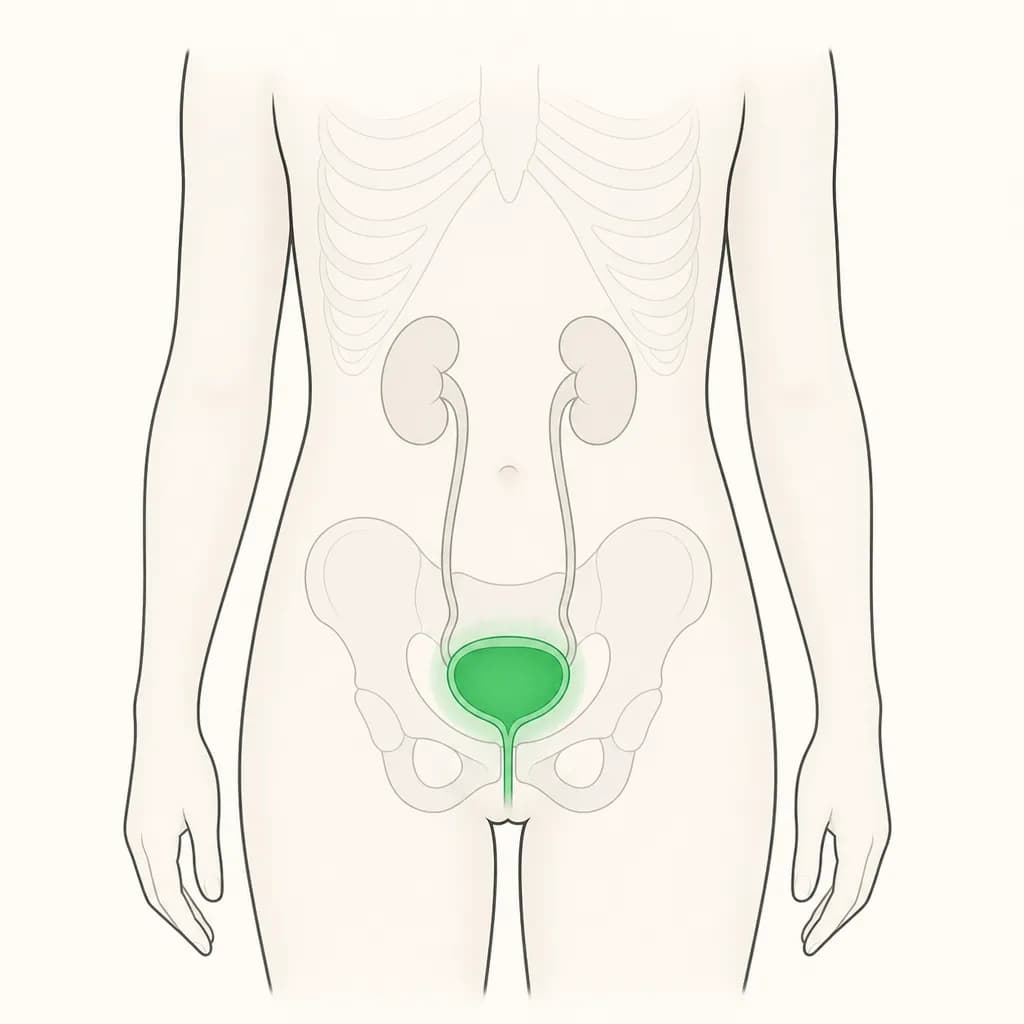
When blood glucose becomes high, the kidneys pass more glucose and water into urine. This can cause frequent urination, greater thirst, tiredness, blurred vision, and new bedwetting in a child who had been dry at night. Bedwetting can also be part of normal development, constipation, a urine infection, sleep changes, or emotional stress. Type 1 diabetes develops when the body makes little or no insulin, so new urinary symptoms deserve attention rather than blame or punishment.
Arrange a prompt check
Contact a clinician promptly if bedwetting is new or comes with marked thirst, frequent daytime urination, tiredness, weight loss, nausea, or tummy pain. A simple glucose check and urine assessment may help guide next steps. Offer water and avoid giving sugary drinks while arranging advice, but do not delay care to monitor symptoms at home. Keep the child supported and reassure them that bedwetting is a symptom, not misbehaviour.
When it is urgent
Seek emergency help if the child is vomiting, breathing deeply or rapidly, becoming drowsy or confused, has severe abdominal pain, or cannot keep fluids down. These can signal a serious metabolic emergency. Urgent assessment is also needed when new bedwetting is accompanied by rapid deterioration or pronounced weakness.
Questions to ask
Ask whether blood glucose and urine testing are needed now, what other causes should be considered, which warning signs require emergency care, and how to support the child during assessment.
Find care
General Clinics & Polyclinics in Abu Dhabi
That answer is general. If you want it applied to your own case, these are licensed general clinics & polyclinics listed in Abu Dhabi.
27 Ar Ruwwad St - Shakhbout City - MSH4 - Abu Dhabi - United Arab Emirates
Accepts: Daman, Thiqa, Cigna, MetLife +20 more
Al Ruwais, Al Dhafrah
Accepts: Daman, Thiqa, AXA, Cigna +16 more
Al Bahyah - Al Bahyah Old - Abu Dhabi - United Arab Emirates
Accepts: Daman, Thiqa, Cigna, Allianz Care +18 more
Abu Dhabi
Accepts: Daman, Thiqa, AXA, Cigna +27 more
Ordered by verification status and how complete each clinic's public record is, then alphabetically. This is a directory listing, not a ranking — Zavis does not rate or recommend providers.
A factual listing drawn from the DHA, DOH and MOHAP licence registers. It is not a referral, an endorsement, or advice that any of these providers is right for you.
Questions people ask
Can bedwetting have causes other than type 1 diabetes?
Yes. Development, constipation, urine infection, sleep changes, and stress can all contribute, so new bedwetting should be assessed in context.
What signs make bedwetting urgent?
Vomiting, deep or rapid breathing, drowsiness, confusion, severe abdominal pain, or inability to keep fluids down need emergency help.
Related
Related reading
Keep reading
Medical disclaimer. This page is general health information, not medical advice, and it cannot diagnose you. Always consult a licensed healthcare provider about your own symptoms and treatment. In an emergency in the UAE, call 998 for an ambulance.