
Does obstructive sleep apnoea cause bedwetting?
Short answer
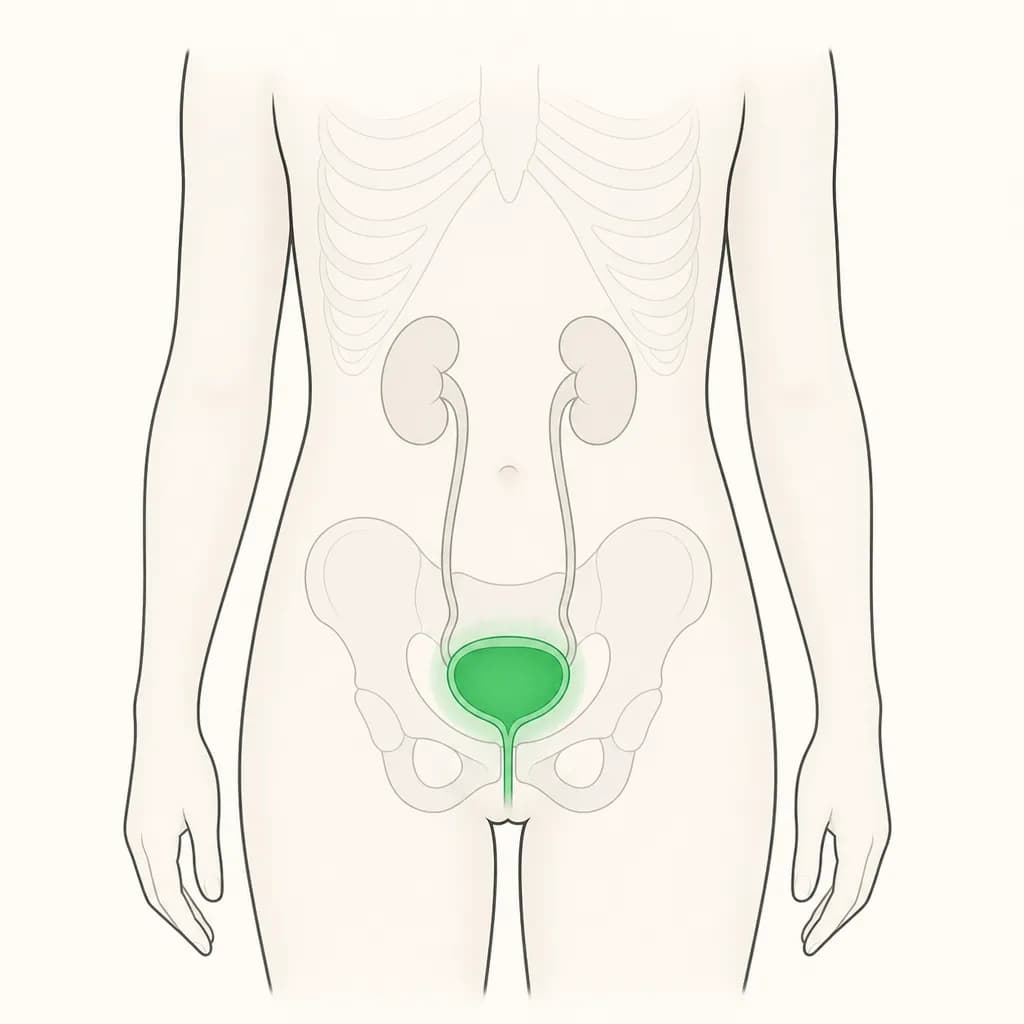
Bedwetting is a common presentation of Obstructive Sleep Apnoea. Repeated pauses in breathing can disturb sleep and change the body's nighttime urine regulation, but bedwetting has other possible causes too.
This answers one question. It is not a diagnosis and does not replace an assessment by a licensed doctor.
At a glance
- Possible link
- Sleep-related breathing disruption can affect nighttime urine regulation.
- Clues to watch
- Snoring, gasping, restless sleep and daytime tiredness can add context.
- Useful next step
- Record sleep and urinary symptoms and arrange a clinical assessment.
How the two can be connected
Obstructive sleep apnoea happens when the upper airway narrows or closes during sleep. The person may snore, gasp, breathe noisily or briefly stop breathing, then partly wake as the airway opens. These repeated disruptions can affect deep, restful sleep and the normal signals that reduce urine production overnight. Changes in pressure during obstructed breathing may also increase urine production, so the bladder can fill while the person remains difficult to wake.
The link is more meaningful when bedwetting occurs with loud snoring, restless sleep, mouth breathing, morning headaches, daytime sleepiness, difficulty concentrating or pauses noticed by another person. Bedwetting alone does not establish the cause. Constipation, urinary problems, diabetes, emotional stress, medication effects and normal bladder development can also be involved.
What to do next
Keep a brief record of wet nights, snoring, breathing pauses, daytime tiredness, bowel symptoms and drinks taken in the evening. Arrange a primary-care assessment if bedwetting is persistent, begins again after a dry period, or occurs alongside sleep-breathing symptoms. The clinician may ask about sleep and urination, examine the nose, throat and abdomen, and check for other causes. If obstructive sleep apnoea is suspected, a sleep assessment can help confirm the pattern and guide treatment.
Until the assessment, use practical protection such as a waterproof mattress cover and easy access to the toilet. Avoid shaming or punishment, and do not sharply restrict fluids without clinical advice. Treating the underlying sleep-breathing problem may improve nighttime wetting, although improvement depends on the cause.
When to seek care promptly
Seek urgent medical help if breathing pauses are prolonged, the person turns blue or grey, is difficult to wake, or has severe breathing difficulty. Contact a clinician promptly for bedwetting with marked thirst, frequent daytime urination, pain or burning when passing urine, fever, blood in the urine, new weakness, or sudden changes in behaviour. These features may point to a problem needing assessment beyond sleep apnoea.
Questions for your doctor
Ask whether the snoring and breathing pattern could suggest obstructive sleep apnoea, whether constipation or urinary symptoms need checking, and whether a sleep study or urine test is appropriate. Share when the wetting started, whether there was a previous dry period, and any medicines or health changes.
Find care
General Clinics & Polyclinics in Abu Dhabi
That answer is general. If you want it applied to your own case, these are licensed general clinics & polyclinics listed in Abu Dhabi.
27 Ar Ruwwad St - Shakhbout City - MSH4 - Abu Dhabi - United Arab Emirates
Accepts: Daman, Thiqa, Cigna, MetLife +20 more
Al Ruwais, Al Dhafrah
Accepts: Daman, Thiqa, AXA, Cigna +16 more
Al Bahyah - Al Bahyah Old - Abu Dhabi - United Arab Emirates
Accepts: Daman, Thiqa, Cigna, Allianz Care +18 more
Abu Dhabi
Accepts: Daman, Thiqa, AXA, Cigna +27 more
Ordered by verification status and how complete each clinic's public record is, then alphabetically. This is a directory listing, not a ranking — Zavis does not rate or recommend providers.
A factual listing drawn from the DHA, DOH and MOHAP licence registers. It is not a referral, an endorsement, or advice that any of these providers is right for you.
Questions people ask
Can treating obstructive sleep apnoea stop bedwetting?
It may reduce bedwetting when sleep apnoea is contributing to the problem, but wetting can have more than one cause and may need separate evaluation.
Does bedwetting by itself diagnose obstructive sleep apnoea?
No. Bedwetting is a common presentation of obstructive sleep apnoea, but the symptom also occurs with several other conditions and during normal development.
Related
Related reading
Keep reading
Medical disclaimer. This page is general health information, not medical advice, and it cannot diagnose you. Always consult a licensed healthcare provider about your own symptoms and treatment. In an emergency in the UAE, call 998 for an ambulance.