
Dark urine and haemolytic anaemia
Short answer
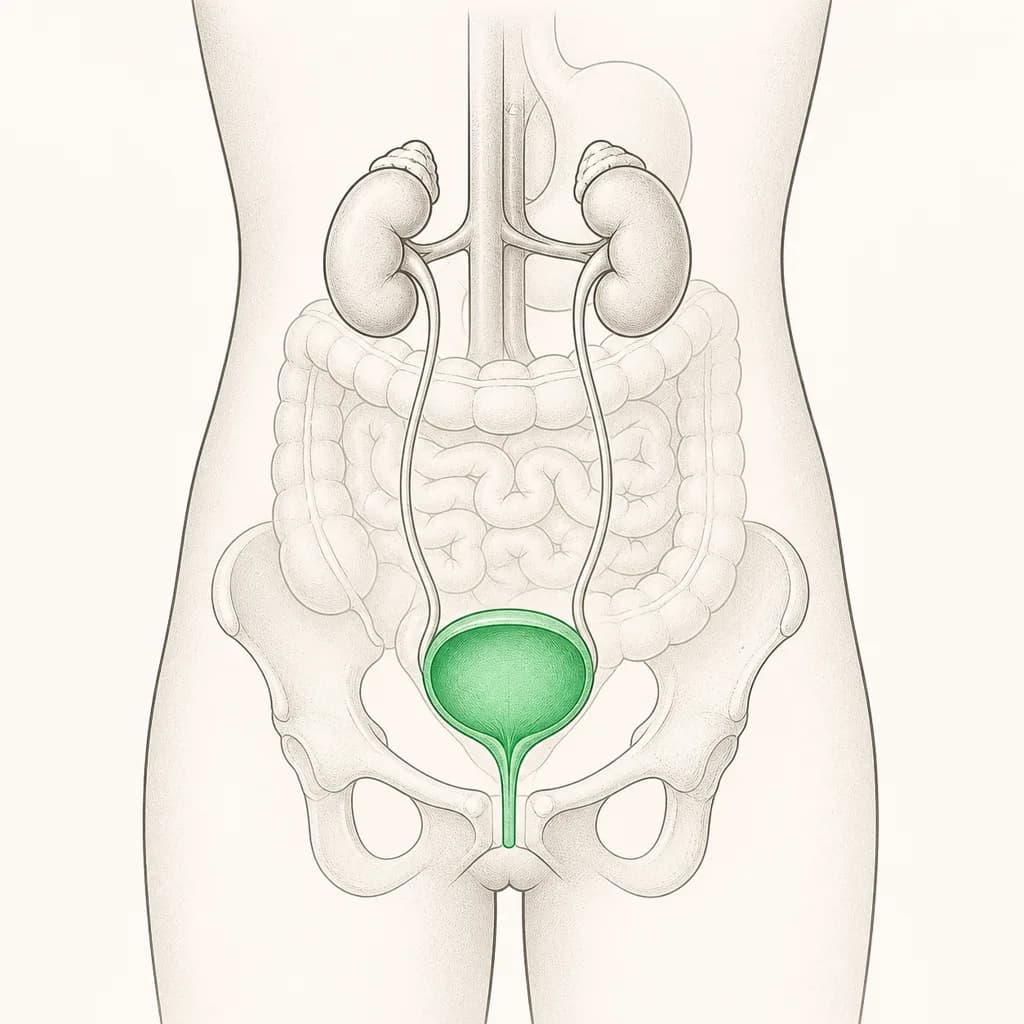
Dark urine may occur when haemolytic anaemia releases blood pigments into urine, but testing is needed to identify the cause.
This answers one question. It is not a diagnosis and does not replace an assessment by a licensed doctor.
At a glance
- Possible associated symptoms
- Fatigue, breathlessness, dizziness, pale skin, fast heartbeat, or yellow eyes.
- How it is assessed
- Blood and urine testing can help distinguish red-cell breakdown from other causes.
How red-cell breakdown changes urine
Haemolytic anaemia happens when red blood cells are destroyed faster than the body replaces them. Their breakdown products can make urine appear dark, red-brown, or cola-coloured. The condition may also cause unusual tiredness, breathlessness, a fast heartbeat, dizziness, headache, pale skin, or yellowing of the eyes. These symptoms are not specific, and dark urine may instead come from dehydration, bile pigments, medicines, or muscle injury.
Possible triggers include an immune reaction, an inherited red-cell condition, infection, or a medicine. A clinician may examine you and order blood and urine tests to look at red-cell numbers, breakdown products, kidney function, and related markers. The pattern and speed of change matter.
Steps to take
Contact a clinician promptly if dark urine is new and you also feel unusually weak, breathless, dizzy, or yellow. Bring a complete list of medicines, supplements, recent infections, travel, and known blood conditions. Do not start iron or stop a prescribed medicine based only on urine colour. Drink normally if you can, but arrange assessment rather than relying on fluids to explain persistent symptoms.
When to seek urgent help
Seek emergency care for severe breathlessness, chest pain, fainting, confusion, a very fast or irregular heartbeat, rapidly worsening weakness, or very little urine. These signs may indicate that oxygen delivery, circulation, or kidney function is being affected. Yellowing with fever or severe illness also needs urgent review.
Questions for the appointment
Ask which tests will check for red-cell destruction, whether a medicine or infection could be involved, and how kidney function will be monitored. Ask what symptoms should prompt emergency care and whether a blood specialist is needed.
Find care
General Clinics & Polyclinics in Abu Dhabi
That answer is general. If you want it applied to your own case, these are licensed general clinics & polyclinics listed in Abu Dhabi.
27 Ar Ruwwad St - Shakhbout City - MSH4 - Abu Dhabi - United Arab Emirates
Accepts: Daman, Thiqa, Cigna, MetLife +20 more
Al Ruwais, Al Dhafrah
Accepts: Daman, Thiqa, AXA, Cigna +16 more
Al Bahyah - Al Bahyah Old - Abu Dhabi - United Arab Emirates
Accepts: Daman, Thiqa, Cigna, Allianz Care +18 more
Abu Dhabi
Accepts: Daman, Thiqa, AXA, Cigna +27 more
Ordered by verification status and how complete each clinic's public record is, then alphabetically. This is a directory listing, not a ranking — Zavis does not rate or recommend providers.
A factual listing drawn from the DHA, DOH and MOHAP licence registers. It is not a referral, an endorsement, or advice that any of these providers is right for you.
Questions people ask
Does dark urine confirm haemolytic anaemia?
No. The colour has many possible explanations, and blood and urine tests are needed to investigate it.
Can haemolytic anaemia become urgent?
Yes. Severe breathlessness, fainting, confusion, rapidly worsening weakness, or very little urine needs emergency care.
Related
Related reading
Keep reading
Medical disclaimer. This page is general health information, not medical advice, and it cannot diagnose you. Always consult a licensed healthcare provider about your own symptoms and treatment. In an emergency in the UAE, call 998 for an ambulance.