
What should you know about dark urine all the time?
Short answer
Dark urine all the time should be assessed rather than attributed to dehydration, especially when it is brown or accompanied by other symptoms.
This answers one question. It is not a diagnosis and does not replace an assessment by a licensed doctor.
At a glance
- Persistent change
- Dark urine that does not lighten deserves clinical assessment.
- Emergency signs
- Low urine output, severe pain, confusion, or cola-coloured urine needs urgent care.
What persistent dark urine can represent
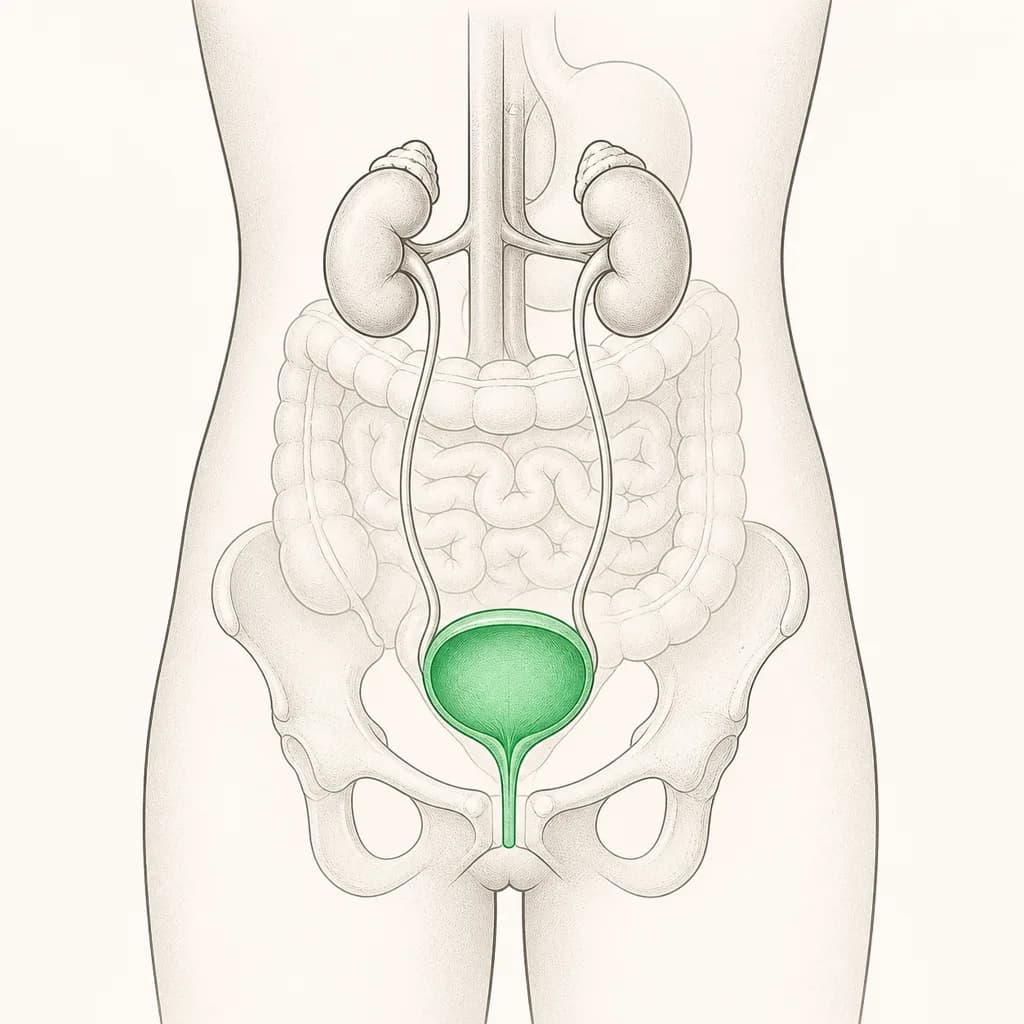
Urine that stays dark despite ordinary drinking may have causes beyond dehydration. Vitamins, medicines, and some foods can alter its shade. Pink, red, smoky, or brown urine may reflect blood or pigment from another process. Liver or bile problems can produce dark urine with yellow eyes, pale stools, itching, or upper abdominal discomfort. Kidney or urinary conditions may cause burning, urgency, fever, side pain, swelling, or changes in urine volume. Dehydration remains possible, particularly with heat, vomiting, diarrhoea, or heavy sweating, but persistence is a reason to investigate rather than guess.
Arrange a useful assessment
Keep a brief record of shade, timing, amount, fluid intake, foods, supplements, medicines, and associated symptoms. Drink normally unless you have a clinician-set fluid limit; do not use excessive water to mask the colour. Arrange a primary-care appointment when the change continues or repeatedly returns. The clinician may examine you and request urinalysis, culture, kidney tests, liver tests, or blood counts according to the pattern. Bring a list of medicines and, if safe, a photograph taken in good light can help describe the colour.
Urgent symptoms
Seek urgent care for no urine or a major reduction in output, severe flank or abdominal pain, visible blood, cola-coloured urine with weakness, fainting, confusion, repeated vomiting, or difficulty breathing. Get prompt medical advice for fever with urinary symptoms, new swelling, yellow skin or eyes, pale stools, or rapidly worsening colour. Persistent dark urine without these signs still merits a planned review, because appearance alone cannot distinguish concentration from blood, liver disease, kidney disease, or another cause.
Questions to bring
Ask which tests fit your symptoms, whether a medicine or supplement could be responsible, and how much fluid is appropriate for you. Explain when the change began, whether it lightens during the day, and any urinary, digestive, skin, muscle, or menstrual symptoms.
Find care
General Clinics & Polyclinics in Abu Dhabi
That answer is general. If you want it applied to your own case, these are licensed general clinics & polyclinics listed in Abu Dhabi.
27 Ar Ruwwad St - Shakhbout City - MSH4 - Abu Dhabi - United Arab Emirates
Accepts: Daman, Thiqa, Cigna, MetLife +20 more
Al Ruwais, Al Dhafrah
Accepts: Daman, Thiqa, AXA, Cigna +16 more
Al Bahyah - Al Bahyah Old - Abu Dhabi - United Arab Emirates
Accepts: Daman, Thiqa, Cigna, Allianz Care +18 more
Abu Dhabi
Accepts: Daman, Thiqa, AXA, Cigna +27 more
Ordered by verification status and how complete each clinic's public record is, then alphabetically. This is a directory listing, not a ranking — Zavis does not rate or recommend providers.
A factual listing drawn from the DHA, DOH and MOHAP licence registers. It is not a referral, an endorsement, or advice that any of these providers is right for you.
Questions people ask
Is dark urine always dehydration?
No. Concentrated urine is one possibility, but medicines, food, blood, kidney conditions, and liver or bile problems can also change its appearance.
What tests might be used?
Depending on symptoms, a clinician may request urine testing and blood tests that assess infection, kidney function, liver function, or blood loss.
Related
Related reading
Keep reading
Medical disclaimer. This page is general health information, not medical advice, and it cannot diagnose you. Always consult a licensed healthcare provider about your own symptoms and treatment. In an emergency in the UAE, call 998 for an ambulance.