
What should you know about dark reddish-orange urine?
Short answer
Dark reddish-orange urine should be checked when it persists, recurs, or comes with pain, fever, yellow eyes, or reduced urine.
This answers one question. It is not a diagnosis and does not replace an assessment by a licensed doctor.
At a glance
- Colour clues
- Orange-red can reflect concentration, blood, bile pigments, food, or medicines
- Bring to review
- A medicine and supplement list plus the start time of the change
Possible explanations
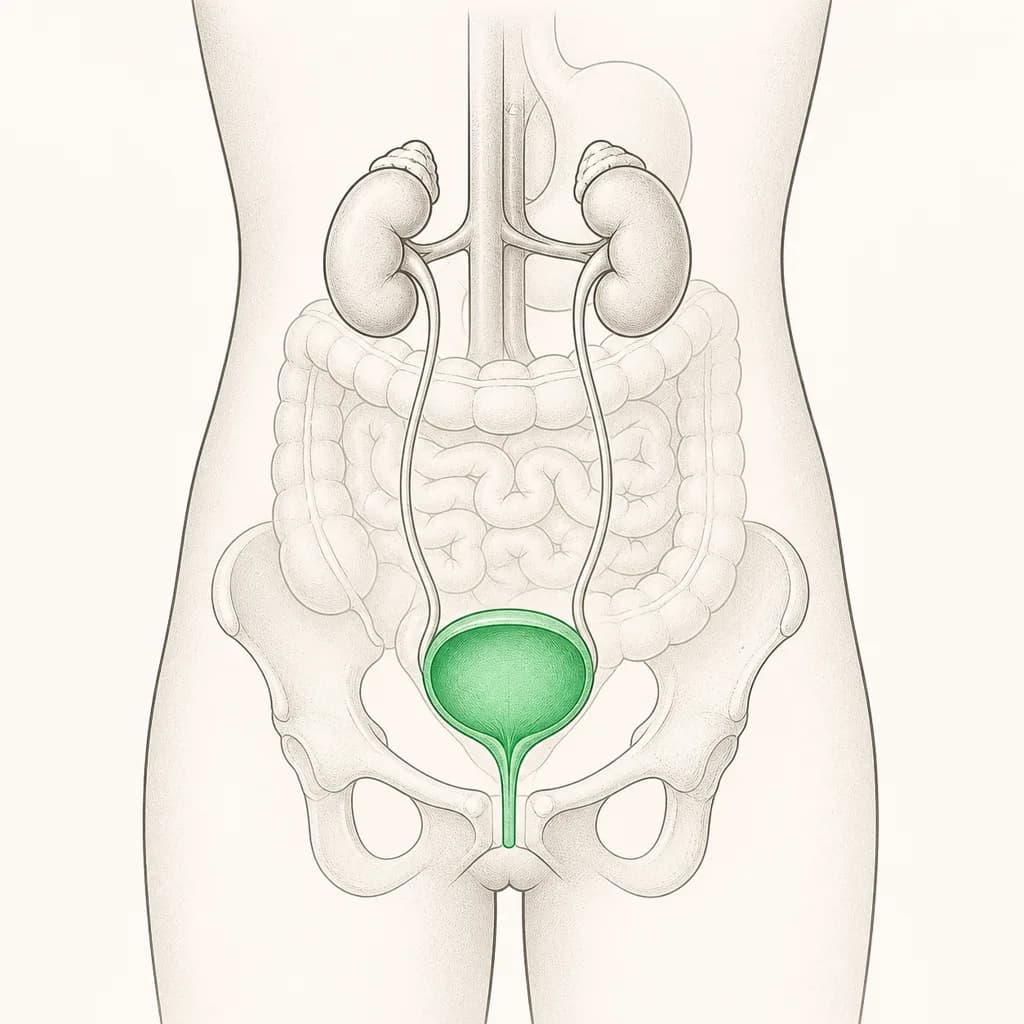
Orange-red urine can be concentrated when the body has lost fluid through sweating, fever, vomiting, or diarrhoea. Blood anywhere along the urinary tract may create a pink, red, or rusty appearance, sometimes with burning, urgency, a strong need to urinate, or side pain. Bile pigments associated with liver or bile-flow problems can make urine dark orange or brown and may occur with yellow skin, pale stools, nausea, or itching. Foods, supplements, and medicines can also change urine colour. This appearance is a sign to interpret with other symptoms, not a diagnosis and not proof of cancer. The symptom is also covered in [Dark Urine](/symptoms/dark-urine/).
Practical next steps
Check whether the colour lightens after normal fluid intake, and note the time it began. Keep a list of new medicines, vitamins, supplements, foods, recent exercise, fever, and urinary symptoms. If you feel well but the change remains or has no obvious explanation, book a medical review. Testing may include urinalysis and blood tests, with the choice guided by your history and examination. Do not stop a prescribed medicine without advice.
When it needs prompt care
Seek urgent care if you cannot urinate, see substantial blood or clots, develop severe abdominal or back pain, feel faint or confused, or have high fever with vomiting or weakness. Arrange prompt advice for yellow eyes, pale stools, swelling, or worsening symptoms. After prolonged heat exposure, dizziness, headache, nausea, and weakness can signal [Heat Exhaustion](/conditions/heat-exhaustion/).
Useful questions
Ask what the colour most likely represents after examination, whether urine testing can identify blood or infection, and whether liver or kidney blood tests are needed. Tell the clinician about fluid loss, travel, new products, and any change in urine amount.
Find care
General Clinics & Polyclinics in Abu Dhabi
That answer is general. If you want it applied to your own case, these are licensed general clinics & polyclinics listed in Abu Dhabi.
27 Ar Ruwwad St - Shakhbout City - MSH4 - Abu Dhabi - United Arab Emirates
Accepts: Daman, Thiqa, Cigna, MetLife +20 more
Al Ruwais, Al Dhafrah
Accepts: Daman, Thiqa, AXA, Cigna +16 more
Al Bahyah - Al Bahyah Old - Abu Dhabi - United Arab Emirates
Accepts: Daman, Thiqa, Cigna, Allianz Care +18 more
Abu Dhabi
Accepts: Daman, Thiqa, AXA, Cigna +27 more
Ordered by verification status and how complete each clinic's public record is, then alphabetically. This is a directory listing, not a ranking — Zavis does not rate or recommend providers.
A factual listing drawn from the DHA, DOH and MOHAP licence registers. It is not a referral, an endorsement, or advice that any of these providers is right for you.
Questions people ask
Can dehydration make urine reddish-orange?
Concentrated urine commonly becomes darker and more orange, especially after fluid loss, but persistent red or rusty urine still deserves assessment.
Should I wait for the colour to disappear?
If it has no clear explanation, keeps returning, or occurs with pain, fever, yellow eyes, or reduced urine, seek medical advice rather than waiting.
Related
Related reading
Keep reading
Medical disclaimer. This page is general health information, not medical advice, and it cannot diagnose you. Always consult a licensed healthcare provider about your own symptoms and treatment. In an emergency in the UAE, call 998 for an ambulance.