
What should you know about dark heavy period?
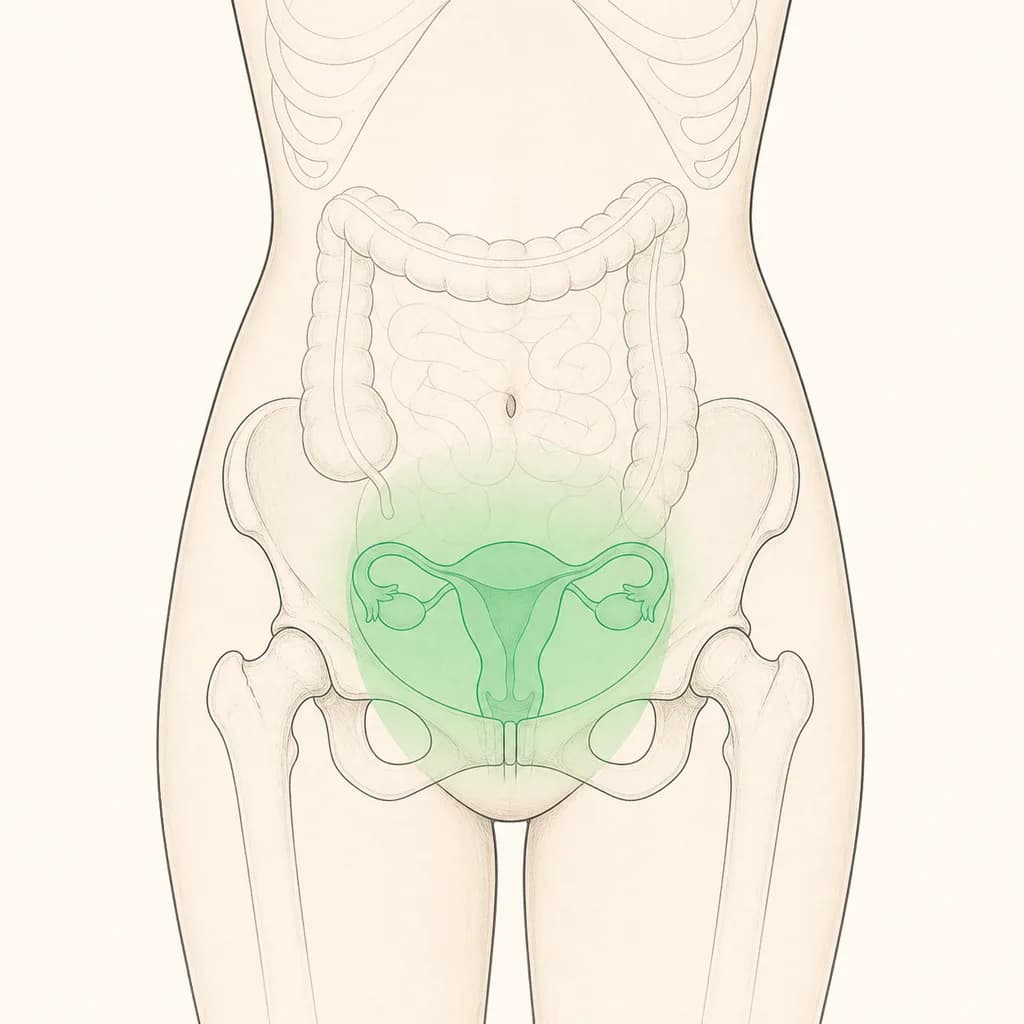
Short answer
Dark menstrual blood is often older blood leaving the uterus slowly, but unusually heavy bleeding should be assessed for its pattern and associated symptoms.
This answers one question. It is not a diagnosis and does not replace an assessment by a licensed doctor.
At a glance
- Colour
- Dark brown or deep red blood is often older blood.
- What matters most
- Flow amount, duration, change from usual, pain, and how you feel.
- Possible effect
- Ongoing heavy bleeding can contribute to iron deficiency anaemia.
The short answer
Blood can look dark brown, deep red, or almost black when it takes longer to leave the vagina and has had time to oxidise. Colour alone usually gives less information than the amount of bleeding, how long it lasts, whether it is new for you, and whether you feel unwell.
What dark heavy bleeding may mean
A dark flow may appear at the beginning or end of a period, particularly when bleeding is light or intermittent. Heavy bleeding can instead involve needing to change period products very frequently, bleeding through clothing or bedding, passing clots, or finding that periods interfere with daily activities.
Changes in the uterine lining, fibroids, adenomyosis, polyps, hormonal changes around perimenopause, polycystic ovary syndrome, and some medicines can contribute to heavy menstrual bleeding. Ongoing blood loss can also lead to iron deficiency anaemia, which may cause tiredness, weakness, breathlessness, headaches, or paleness. These possibilities cannot be distinguished by blood colour alone.
What to do next
Track when the bleeding starts and stops, how often you change pads or tampons, whether you pass clots, and any pain, dizziness, or bleeding after sex. Note pregnancy possibility, recent contraception changes, and medicines that affect bleeding. This record can help a clinician understand the pattern.
Arrange a medical appointment if the bleeding is persistently heavy, has become different from your usual periods, or is affecting work, sleep, exercise, or intimacy. Assessment may include questions about your cycle, an examination, blood tests for anaemia, and sometimes imaging or tests of the uterine lining, depending on your symptoms and age.
When to seek urgent care
Seek urgent medical help if heavy bleeding comes with fainting, severe dizziness, marked weakness, shortness of breath, chest pain, severe or worsening pelvic pain, fever, or a possible pregnancy. Urgent assessment is also appropriate when bleeding is so heavy that you cannot keep up with changing products or you feel unsafe standing or walking.
Dark blood with a strong unpleasant odour, fever, or significant pelvic pain can point to infection or another problem that needs prompt review. Do not delay care because the blood is dark, and do not assume that a familiar colour explains a major change in flow.
Questions for your doctor
You could ask: What might explain the change in flow or colour? Could I have anaemia? Do I need an examination, blood tests, or an ultrasound? Which treatments fit my bleeding pattern and pregnancy plans? What symptoms should make me seek urgent help?
Find care
General Clinics & Polyclinics in Abu Dhabi
That answer is general. If you want it applied to your own case, these are licensed general clinics & polyclinics listed in Abu Dhabi.
27 Ar Ruwwad St - Shakhbout City - MSH4 - Abu Dhabi - United Arab Emirates
Accepts: Daman, Thiqa, Cigna, MetLife +20 more
Al Ruwais, Al Dhafrah
Accepts: Daman, Thiqa, AXA, Cigna +16 more
Al Bahyah - Al Bahyah Old - Abu Dhabi - United Arab Emirates
Accepts: Daman, Thiqa, Cigna, Allianz Care +18 more
Abu Dhabi
Accepts: Daman, Thiqa, AXA, Cigna +27 more
Ordered by verification status and how complete each clinic's public record is, then alphabetically. This is a directory listing, not a ranking — Zavis does not rate or recommend providers.
A factual listing drawn from the DHA, DOH and MOHAP licence registers. It is not a referral, an endorsement, or advice that any of these providers is right for you.
Questions people ask
Is dark period blood always a problem?
No. Dark blood can be older blood that has taken longer to leave the uterus. A new or unusually heavy pattern, unpleasant odour, fever, severe pain, or feeling faint warrants medical advice.
Can heavy periods cause low iron?
Yes. Repeated heavy bleeding can use up iron and contribute to iron deficiency anaemia. Ask about a blood test if you have persistent tiredness, weakness, breathlessness, headaches, or paleness.
What conditions can be linked with heavy periods?
Possible contributors include uterine fibroids, adenomyosis, endometrial polyps, changes in the uterine lining, perimenopause, and polycystic ovary syndrome. A clinician can assess which explanation fits your symptoms.
Related
Related reading
Keep reading
Medical disclaimer. This page is general health information, not medical advice, and it cannot diagnose you. Always consult a licensed healthcare provider about your own symptoms and treatment. In an emergency in the UAE, call 998 for an ambulance.