
Dark Brown Urine After Surgery: What It Can Mean and What to Do
Short answer
Dark brown urine after surgery can result from concentrated urine, medicines, blood, or a problem affecting the liver, muscles, or urinary tract, so tell your surgical team promptly.
This answers one question. It is not a diagnosis and does not replace an assessment by a licensed doctor.
At a glance
- First step
- Contact the surgical team promptly and report the new colour.
- Bring details
- List medicines, fluid intake, urine amount, pain, fever, and other new symptoms.
- Urgent warning
- Very little urine, severe weakness, confusion, heavy blood, or severe pain needs urgent care.
What should you know about dark brown urine after surgery?
Urine may look darker when you have had little to drink, have been vomiting, or are losing fluid through fever or sweating. A new colour change can also be related to a catheter, anaesthetic medicines, antibiotics, pain medicines, or supplements. The appearance alone cannot identify the cause.
What dark brown urine may mean
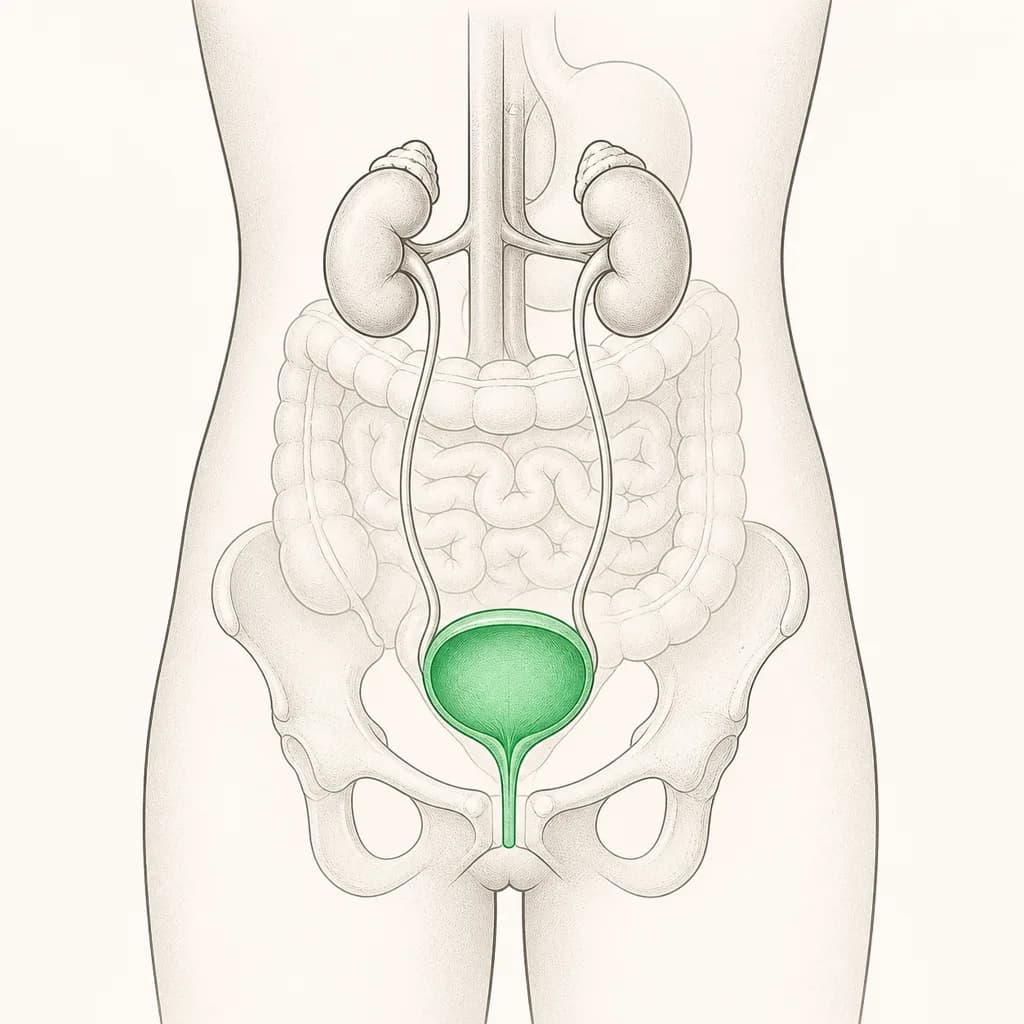
Concentrated urine is often deep yellow to amber, while brown or tea-coloured urine deserves medical advice, especially when it persists after drinking fluids. Blood from the urinary tract can make urine pink, red, cola-coloured, or brown. Muscle injury after a prolonged or strenuous operation can release a pigment that darkens urine and may occur with marked muscle pain or weakness.
Liver or bile-flow problems can make urine tea-coloured and may occur with yellowing of the eyes or skin, pale stools, itching, nausea, or pain under the right ribs. A urinary infection is more suggestive when there is burning, urgency, cloudy or foul-smelling urine, lower abdominal pain, or fever. These symptoms do not establish a diagnosis, but they help the clinician choose tests.
What to do now
Contact the surgeon, ward, or discharge team today and describe when the colour changed, how much urine you are passing, and whether it is tea-coloured, red, or cloudy. Mention every new medicine, injection, supplement, and herbal product, and do not stop a prescribed medicine unless the treating team tells you to.
Follow the fluid instructions given for your operation. If you have not been told to restrict fluids, take small regular drinks rather than forcing a large amount at once. Keep a photo of the urine colour if it changes before you are assessed, and note fever, pain, vomiting, bowel changes, or reduced urine output.
A clinician may examine you and check urine, kidney function, blood count, liver tests, or muscle-related markers. The right tests depend on the operation, your medicines, and accompanying symptoms.
When to seek urgent care
Seek urgent medical care if the urine is dark brown with very little or no urine, severe weakness, confusion, fainting, trouble breathing, chest pain, or severe abdominal, back, or muscle pain. Go urgently as well for heavy visible blood or clots, repeated vomiting, or a high fever with shaking chills.
Yellow eyes or skin, rapidly worsening swelling, or new pain around a urinary catheter also needs prompt assessment. Do not wait for a routine follow-up if the colour change is new and ongoing after discharge; contact the surgical team or local urgent service.
Questions for your doctor
Ask: Could any of my medicines or the operation explain this colour? Should I change my fluid intake? Do I need urine or blood tests? What symptoms should make me return immediately? If I have a catheter, should it be checked or replaced?
Find care
General Clinics & Polyclinics in Abu Dhabi
That answer is general. If you want it applied to your own case, these are licensed general clinics & polyclinics listed in Abu Dhabi.
27 Ar Ruwwad St - Shakhbout City - MSH4 - Abu Dhabi - United Arab Emirates
Accepts: Daman, Thiqa, Cigna, MetLife +20 more
Al Ruwais, Al Dhafrah
Accepts: Daman, Thiqa, AXA, Cigna +16 more
Al Bahyah - Al Bahyah Old - Abu Dhabi - United Arab Emirates
Accepts: Daman, Thiqa, Cigna, Allianz Care +18 more
Abu Dhabi
Accepts: Daman, Thiqa, AXA, Cigna +27 more
Ordered by verification status and how complete each clinic's public record is, then alphabetically. This is a directory listing, not a ranking — Zavis does not rate or recommend providers.
A factual listing drawn from the DHA, DOH and MOHAP licence registers. It is not a referral, an endorsement, or advice that any of these providers is right for you.
Questions people ask
Can dehydration cause dark brown urine after surgery?
Low fluid intake or fluid loss can concentrate urine, but brown or tea-coloured urine should still be reported because dehydration is not the only possible cause.
Should I stop my medicines if my urine turns brown?
No. Tell the surgical team about every medicine and supplement, and change treatment only on advice from the clinician who prescribed it.
When is dark urine after surgery an emergency?
Get urgent care for very little urine, severe weakness, confusion, fainting, breathing trouble, heavy blood or clots, severe pain, or repeated vomiting.
Related
Related reading
Keep reading
Medical disclaimer. This page is general health information, not medical advice, and it cannot diagnose you. Always consult a licensed healthcare provider about your own symptoms and treatment. In an emergency in the UAE, call 998 for an ambulance.