
Cystoscopy under local anesthesia
Short answer
Local anesthetic cystoscopy uses numbing gel in the urethra so the bladder can be examined while you remain awake.
This answers one question. It is not a diagnosis and does not replace an assessment by a licensed doctor.
At a glance
- Awareness
- You remain awake during local anesthetic cystoscopy
- Numbing medicine
- Anesthetic gel is placed in the urethra
- Possible sensations
- Pressure and an urge to urinate may still be felt
The short answer
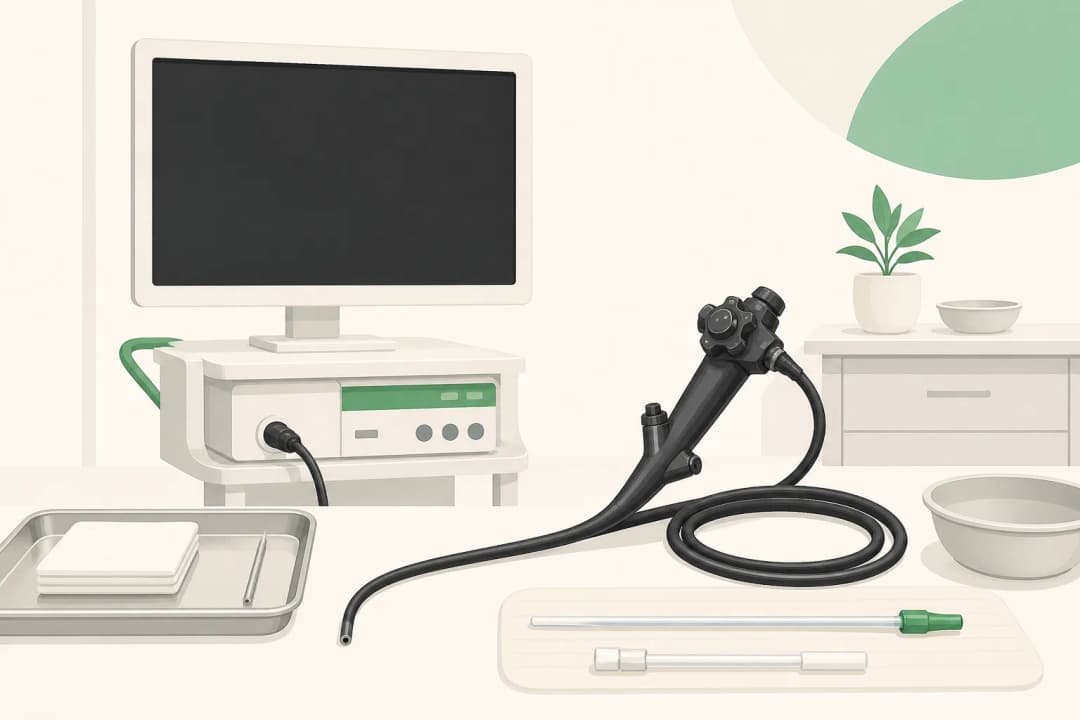
It is often performed with a flexible cystoscope. The gel reduces sensation, although you may still feel pressure, movement or an urge to urinate as the scope enters the bladder.
What the appointment involves
After cleaning the opening of the urethra, the clinician applies anesthetic gel and allows time for it to work. The thin scope passes along the urethra, and sterile fluid may be introduced to open the bladder gently so its lining can be inspected.
The clinician may use the examination to investigate urinary symptoms, monitor a known urinary condition or perform a small procedure. If a biopsy or more involved treatment is needed, a separate appointment with different anesthesia may be recommended.
How to get ready
Check your appointment instructions before changing food, fluids or medicines; local anesthetic alone may require different preparation from sedation or general anesthesia. Mention medicine allergies, blood thinners, pregnancy possibility and current symptoms such as fever, cloudy urine or pain when urinating.
Once home, mild stinging or urinary frequency may settle with time. Drink according to your clinician's advice, particularly if another health condition limits fluids. Use only recommended pain relief and follow any instructions about activity, test results or antibiotics.
Symptoms that need attention
Call the clinic if burning or bleeding is worsening instead of easing, or if urine becomes foul-smelling or cloudy. Fever, shaking chills, severe lower abdominal or side pain, inability to pass urine, heavy bleeding or clots should be assessed urgently.
What to ask at the visit
You can ask what the clinician is looking for, whether any samples might be taken and when results will be available. If you are anxious or have previously found catheterization difficult, explain this beforehand and ask what comfort measures or anesthesia options are appropriate.
Questions people ask
Does local anesthetic remove every sensation?
The gel numbs the urethra but may not remove all pressure, movement or bladder fullness. Tell the clinician if discomfort is difficult to tolerate during the examination.
Can I drive after local anesthetic cystoscopy?
Driving advice depends on whether you received only local anesthetic or also had a sedating medicine, and on how you feel afterward. Follow the treating service's specific discharge instructions.
Related
Related reading
Keep reading
Cancer care in the UAE
Hospitals & Medical Centers in Abu Dhabi
Most UAE cancer care is delivered inside hospital services rather than by standalone oncology clinics, so these are licensed hospitals & medical centers listed in Abu Dhabi. Confirm the specific cancer service exists before you travel, and know that asking for a second opinion is routine.
Ahalia Hospital Musaffah Building - Musaffah - Musaffah Industrial - Abu Dhabi - United Arab Emirates
Accepts: Daman, Thiqa, AXA, Cigna +26 more
Al Ruwais Industrial City - Abu Dhabi - United Arab Emirates
Accepts: Daman, Thiqa, AXA, Cigna +30 more
Abu Dhabi, Abu Dhabi
Accepts: Daman, Thiqa, AXA, Cigna +30 more
Second opinions are routine in cancer care and asking for one does not affect your treatment. How to arrange a second opinion in the UAE.
Ordered by verification status and how complete each clinic's public record is, then alphabetically. This is a directory listing, not a ranking — Zavis does not rate or recommend providers.
A factual listing drawn from the DHA, DOH and MOHAP licence registers. It is not a referral, an endorsement, or advice that any of these providers is right for you.
Medical disclaimer. This page is general health information, not medical advice, and it cannot diagnose you. Always consult a licensed healthcare provider about your own symptoms and treatment. In an emergency in the UAE, call 998 for an ambulance.