
Cystoscopy with Deflux injection: what to expect
Updated
Short answer
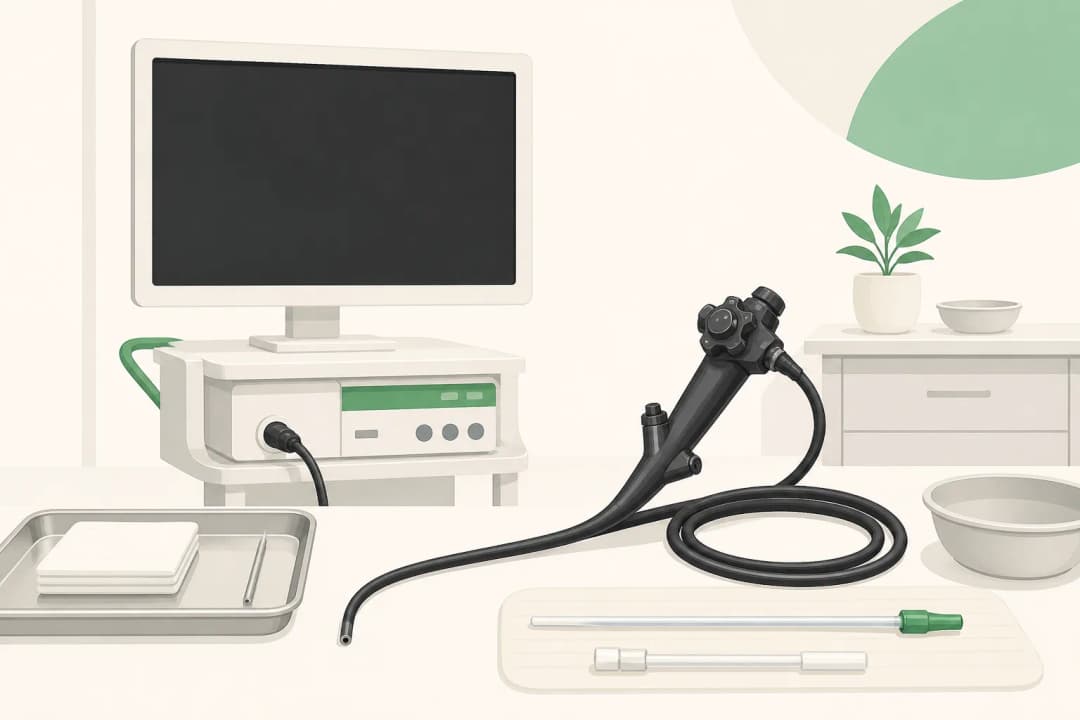
Cystoscopy with Deflux injection uses a small camera and an injectable bulking gel to support the valve where a ureter enters the bladder.
This answers one question. It is not a diagnosis and does not replace an assessment by a licensed doctor.
At a glance
- Route
- The cystoscope passes through the urethra; no abdominal incision is required for the injection.
- Purpose
- The gel supports closure at the point where a ureter joins the bladder.
- Follow-up
- The plan may include urine testing or imaging, depending on the reason for treatment.
The short answer
Cystoscopy with Deflux injection uses a small camera and an injectable bulking gel to support the valve where a ureter enters the bladder. It is generally used to manage urine flowing backward from the bladder toward a kidney, rather than to diagnose or treat bladder cancer. The clinician passes the cystoscope through the urethra, views the bladder, and places the gel beneath the ureter opening.
What the injection is designed to do
Deflux creates a small mound of material under the tissue around the ureter opening. This added support helps the opening close as the bladder fills and squeezes. The procedure does not remove the ureter or leave a ureteric tube in place. Your care team may arrange urine tests or imaging afterward to check drainage and whether backward flow persists.
Preparing and recovering
Follow the fasting instructions provided if sedation or anaesthesia is planned. Tell the team about medicines, allergies, pregnancy possibility, urinary infection symptoms, and previous urinary procedures. Arrange transport if you will receive medicine that affects alertness. Afterward, drink fluids as advised and use only the pain relief recommended for you. Mild burning, urinary urgency, or a small amount of blood can occur briefly after instruments pass through the urethra.
When to contact the care team
Seek urgent medical advice for fever or chills, worsening pain in the side or back, repeated vomiting, inability to pass urine, heavy bleeding, clots, or symptoms that are rapidly getting worse. These features can indicate infection, urinary blockage, or another problem needing assessment. Use the discharge contact number for symptoms outside the expected recovery guidance; go to emergency care if you are very unwell or cannot reach the team.
Useful questions before the procedure
Ask which ureter will be treated, what type of anaesthesia is planned, and whether a urine culture is needed beforehand. Clarify how the team will judge the response, when normal activity can resume, and whom to call overnight. It is also useful to ask what alternatives would be considered if backward urine flow continues.
Questions people ask
Is Deflux the same as a ureteric stent?
No. Deflux is an injectable gel placed beneath tissue near a ureter opening. A ureteric stent is a temporary internal tube that helps urine drain from a kidney to the bladder.
Will I be awake for the injection?
Anaesthesia arrangements vary with age, health, and local practice. Your team should explain whether you will have general anaesthesia, sedation, or another approach, along with fasting instructions.
Related
Related reading
Keep reading
Cancer care in the UAE
Hospitals & Medical Centers in Abu Dhabi
Most UAE cancer care is delivered inside hospital services rather than by standalone oncology clinics, so these are licensed hospitals & medical centers listed in Abu Dhabi. Confirm the specific cancer service exists before you travel, and know that asking for a second opinion is routine.
Ahalia Hospital Musaffah Building - Musaffah - Musaffah Industrial - Abu Dhabi - United Arab Emirates
Accepts: Daman, Thiqa, AXA, Cigna +13 more
Al Ruwais Industrial City - Abu Dhabi - United Arab Emirates
Accepts: Daman, Thiqa, AXA, Cigna +18 more
Abu Dhabi, Abu Dhabi
Accepts: Daman, Thiqa, AXA, Cigna +21 more
Second opinions are routine in cancer care and asking for one does not affect your treatment. How to arrange a second opinion in the UAE.
Ordered by verification status and how complete each clinic's public record is, then alphabetically. This is a directory listing, not a ranking — Zavis does not rate or recommend providers.
A factual listing drawn from the UAE health regulators' public licence registers. It is not a referral, an endorsement, or advice that any of these providers is right for you.
Medical disclaimer. This page is general health information, not medical advice, and it cannot diagnose you. Always consult a licensed healthcare provider about your own symptoms and treatment. In an emergency in the UAE, call 998 for an ambulance.