
What should you know about COPD with hypoxia?
Short answer
COPD with hypoxia means reduced oxygen in the blood caused by impaired lung function, and it needs medical assessment to guide treatment.
This answers one question. It is not a diagnosis and does not replace an assessment by a licensed doctor.
At a glance
- Main concern
- Reduced oxygen in the blood
- Assessment
- Symptoms, examination, oxygen check, and lung testing
- Avoid
- Changing oxygen or inhaler treatment without advice
What it means
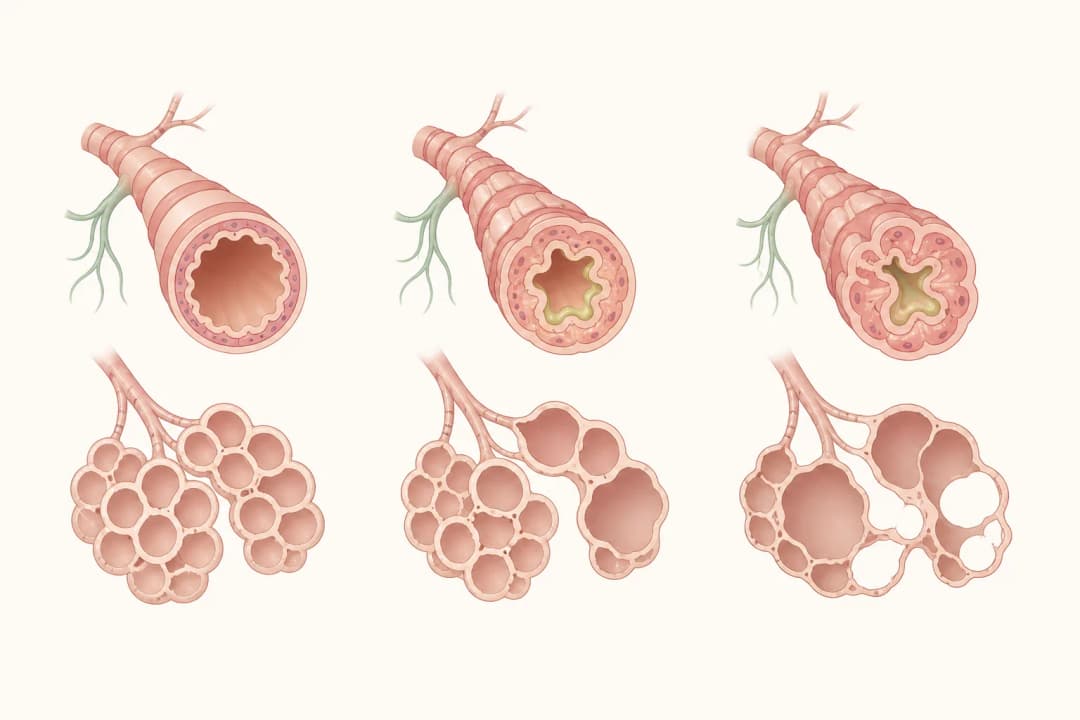
COPD can narrow airways and damage the parts of the lungs that move oxygen into the blood. Hypoxia may develop gradually or become more noticeable during an infection, flare-up, or physical effort. A person may feel breathless, tired, light-headed, or less able to walk, but symptoms alone cannot show how low oxygen is.
A clinician may check oxygen with a finger monitor, examine your breathing, and arrange tests such as spirometry. A low reading can have more than one explanation, so the result should be interpreted with your symptoms, medical history, and examination.
What to do next
Arrange a review if you have new breathlessness, worsening cough, more phlegm, or reduced activity tolerance. Keep prescribed inhalers available and use them exactly as directed; do not increase doses or start oxygen without clinical advice. Avoid smoke and other airway irritants, and discuss vaccinations, activity planning, and pulmonary rehabilitation where appropriate.
A chronic disease review can bring together symptom changes, inhaler technique, oxygen assessment, and an action plan. Spirometry helps assess airflow limitation, although it is only one part of the evaluation. If you smoke, support from a smoking cessation programme can reduce ongoing airway irritation.
When to seek care
Seek emergency help if breathing is severely difficult, you cannot speak in full sentences, your lips or face look blue or grey, you become unusually drowsy or confused, or chest discomfort is severe or sudden. Do not drive yourself if you are struggling to breathe.
Contact a clinician promptly for a clear change from your usual breathing, fever with worsening phlegm, or oxygen readings that are repeatedly lower than the range your care team gave you. A sudden decline can require treatment for an infection, flare-up, or another problem.
Questions for your doctor
Ask what may be lowering your oxygen, how it should be monitored, whether your inhaler technique is effective, and what signs mean you should use your COPD action plan or seek urgent care.
Find care
General Clinics & Polyclinics in Abu Dhabi
That answer is general. If you want it applied to your own case, these are licensed general clinics & polyclinics listed in Abu Dhabi.
27 Ar Ruwwad St - Shakhbout City - MSH4 - Abu Dhabi - United Arab Emirates
Accepts: Daman, Thiqa, Cigna, MetLife +20 more
Al Ruwais, Al Dhafrah
Accepts: Daman, Thiqa, AXA, Cigna +16 more
Al Bahyah - Al Bahyah Old - Abu Dhabi - United Arab Emirates
Accepts: Daman, Thiqa, Cigna, Allianz Care +18 more
Abu Dhabi
Accepts: Daman, Thiqa, AXA, Cigna +27 more
Ordered by verification status and how complete each clinic's public record is, then alphabetically. This is a directory listing, not a ranking — Zavis does not rate or recommend providers.
A factual listing drawn from the DHA, DOH and MOHAP licence registers. It is not a referral, an endorsement, or advice that any of these providers is right for you.
Questions people ask
Can COPD cause low oxygen without obvious symptoms?
Yes. Oxygen can be reduced even when changes in breathing feel modest, so clinical assessment and monitoring matter.
Does hypoxia always mean I need oxygen at home?
No. The cause and severity must be assessed first; oxygen is prescribed only when a clinician decides it is appropriate.
Related
Related reading
Keep reading
Medical disclaimer. This page is general health information, not medical advice, and it cannot diagnose you. Always consult a licensed healthcare provider about your own symptoms and treatment. In an emergency in the UAE, call 998 for an ambulance.