
COPD exacerbation treatment: what to know
Short answer
COPD exacerbation treatment depends on how much your breathing has changed and may include inhaled medicines, steroids, antibiotics when appropriate, oxygen assessment, and hospital care for severe symptoms.
This answers one question. It is not a diagnosis and does not replace an assessment by a licensed doctor.
At a glance
- Treatment focus
- Restore breathing and address the trigger
- Assessment
- Breathing, oxygen level, symptoms, and response to treatment
- Follow-up
- Review inhaler use and prevention plan after recovery
What a COPD exacerbation means
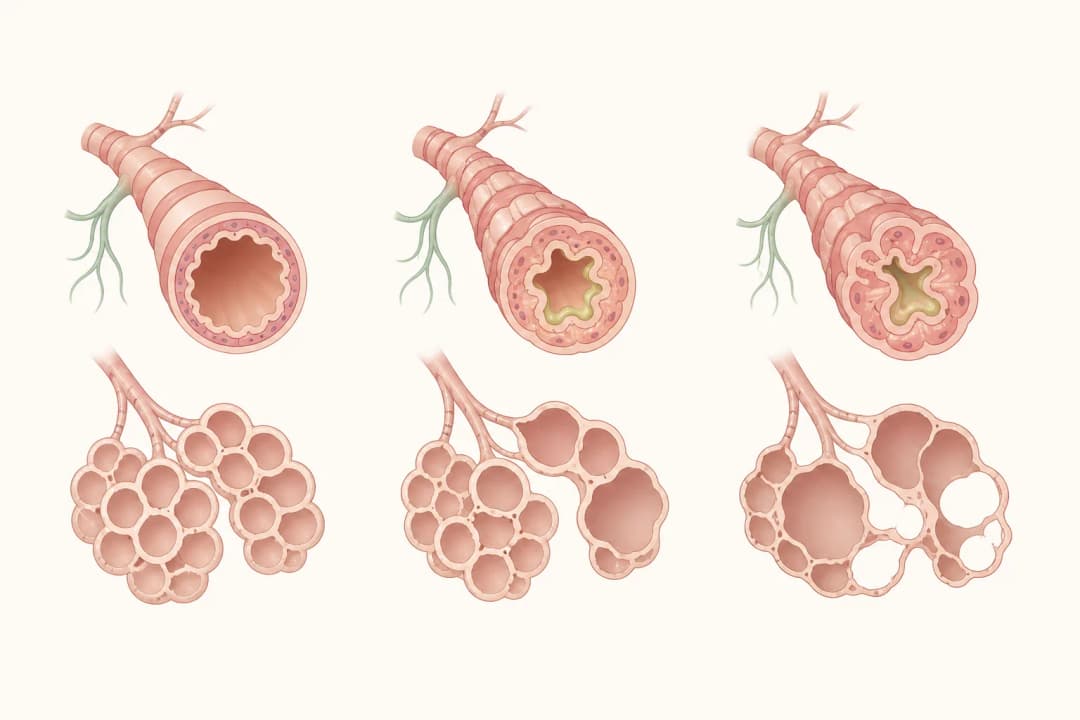
An exacerbation is a noticeable worsening of your usual COPD symptoms, such as breathlessness, wheezing, chest tightness, cough, or a change in phlegm. A chest infection, smoke, air pollution, or another illness can trigger it, although a clear trigger is not always found. A clinician may check your breathing, oxygen level, temperature, chest sounds, and response to your usual inhaler. Spirometry is generally used to assess airflow when you are stable rather than during a severe flare.
What to do during treatment
Follow your written COPD action plan if you have one, and use inhalers exactly as prescribed. Sit upright, keep calm, avoid smoke and other irritants, and take small rests between activities. Do not start leftover antibiotics or steroid tablets without medical advice: antibiotics help only some exacerbations, while steroids can have important effects and need the right dose and duration. A chronic disease review can check inhaler technique, vaccinations, exercise tolerance, and whether your everyday treatment needs adjustment. A smoking cessation programme can reduce continued airway irritation if you smoke.
When to seek urgent care
Seek urgent medical help if breathlessness is rapidly worsening, you cannot speak in full sentences, your lips or face look blue or grey, you become unusually drowsy or confused, or your reliever inhaler is not helping as directed. Call emergency services if severe breathing difficulty prevents safe travel. Arrange prompt clinical review for a new change in phlegm, fever, chest pain, or symptoms that are not settling, because treatment may need to be changed.
Questions for your doctor
Ask which symptoms should activate your action plan, how to check your inhaler technique, whether you need testing after recovery, and which warning signs mean you should attend hospital. You can also ask how to recognise a chest infection and how to keep a current list of your medicines.
Find care
General Clinics & Polyclinics in Abu Dhabi
That answer is general. If you want it applied to your own case, these are licensed general clinics & polyclinics listed in Abu Dhabi.
27 Ar Ruwwad St - Shakhbout City - MSH4 - Abu Dhabi - United Arab Emirates
Accepts: Daman, Thiqa, Cigna, MetLife +20 more
Al Ruwais, Al Dhafrah
Accepts: Daman, Thiqa, AXA, Cigna +16 more
Al Bahyah - Al Bahyah Old - Abu Dhabi - United Arab Emirates
Accepts: Daman, Thiqa, Cigna, Allianz Care +18 more
Abu Dhabi
Accepts: Daman, Thiqa, AXA, Cigna +27 more
Ordered by verification status and how complete each clinic's public record is, then alphabetically. This is a directory listing, not a ranking — Zavis does not rate or recommend providers.
A factual listing drawn from the DHA, DOH and MOHAP licence registers. It is not a referral, an endorsement, or advice that any of these providers is right for you.
Questions people ask
Are antibiotics always needed for a COPD flare?
No. A clinician decides based on your symptoms and examination because many exacerbations do not benefit from antibiotics.
Can a COPD exacerbation be treated at home?
Some mild flares can be managed with an agreed action plan and prompt clinical advice, but severe or rapidly worsening breathing needs urgent care.
Related
Related reading
Keep reading
Medical disclaimer. This page is general health information, not medical advice, and it cannot diagnose you. Always consult a licensed healthcare provider about your own symptoms and treatment. In an emergency in the UAE, call 998 for an ambulance.