
Constipation tea in pregnancy: what to know
Short answer
Constipation tea is not automatically safe during pregnancy, because herbal ingredients can vary and some may affect fluid balance or the bowel.
This answers one question. It is not a diagnosis and does not replace an assessment by a licensed doctor.
At a glance
- Check first
- Share the complete ingredient list with a pregnancy clinician or pharmacist.
- Support
- Fluids, gradual fibre, and gentle activity may help when suitable for you.
Why tea needs checking
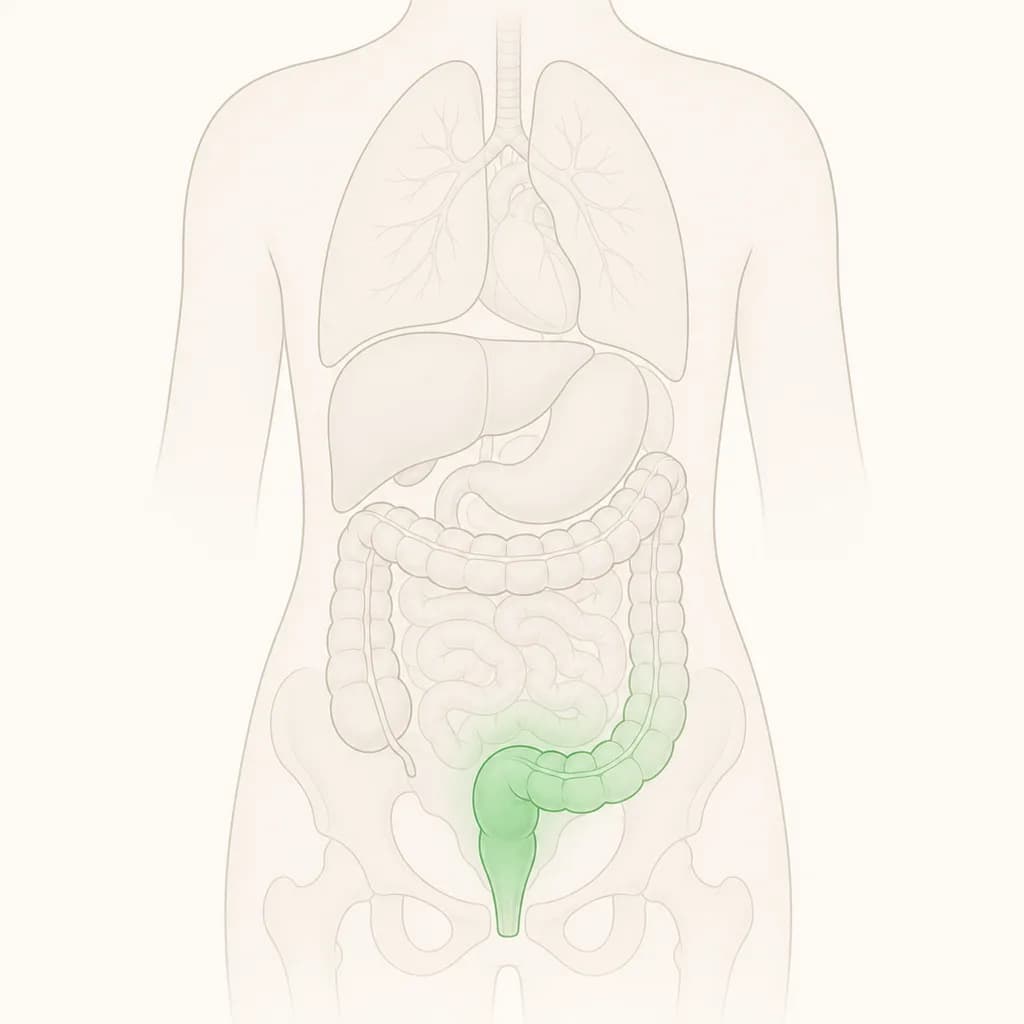
Pregnancy can slow bowel movement through hormonal changes, reduced activity, pressure in the abdomen, iron supplements, or changes in routine. A tea labelled for digestion or constipation may contain several herbs, and the strength and preparation can differ between products. “Natural” does not show that an ingredient is suitable for pregnancy or breastfeeding.
Some stimulant laxative herbs may cause cramping or diarrhoea, while excess fluid loss can contribute to dehydration. Tell your midwife, obstetrician, or pharmacist about the exact product, ingredients, and how often you plan to drink it. They can suggest an option with a clearer safety profile for your pregnancy.
Safer next steps
Before using a constipation tea, check the full ingredient list with your maternity clinician or pharmacist. In the meantime, drink suitable fluids, increase fibre gradually, choose fruit, vegetables, and whole grains if tolerated, and keep gently active as advised in pregnancy. Allow time for an unhurried toilet visit and avoid straining. Nutrition Counselling can help tailor food choices when nausea, reflux, diabetes, or dietary restrictions make changes harder.
When to seek care
Seek urgent maternity or medical advice for severe abdominal pain, repeated vomiting, heavy bleeding, fever, a swollen abdomen, or inability to pass stool and gas. Contact your pregnancy care team if constipation persists, you have rectal bleeding, or you are becoming dizzy, unusually thirsty, or unable to keep fluids down. Do not take a new laxative or herbal blend to manage these warning signs.
Questions for your doctor
Are the ingredients in this tea suitable for my stage of pregnancy? Could my iron supplement be contributing? Which fibre, fluid, or medicine option is appropriate for me? What symptoms should prompt same-day advice?
Find care
General Clinics & Polyclinics in Abu Dhabi
That answer is general. If you want it applied to your own case, these are licensed general clinics & polyclinics listed in Abu Dhabi.
27 Ar Ruwwad St - Shakhbout City - MSH4 - Abu Dhabi - United Arab Emirates
Accepts: Daman, Thiqa, Cigna, MetLife +20 more
Al Ruwais, Al Dhafrah
Accepts: Daman, Thiqa, AXA, Cigna +16 more
Al Bahyah - Al Bahyah Old - Abu Dhabi - United Arab Emirates
Accepts: Daman, Thiqa, Cigna, Allianz Care +18 more
Abu Dhabi
Accepts: Daman, Thiqa, AXA, Cigna +27 more
Ordered by verification status and how complete each clinic's public record is, then alphabetically. This is a directory listing, not a ranking — Zavis does not rate or recommend providers.
A factual listing drawn from the DHA, DOH and MOHAP licence registers. It is not a referral, an endorsement, or advice that any of these providers is right for you.
Questions people ask
Are herbal constipation teas safe in pregnancy?
Safety depends on the specific ingredients, dose, and your health, so ask a maternity clinician or pharmacist before using one.
Can pregnancy vitamins cause constipation?
Some supplements, including iron-containing products, can contribute; ask your clinician whether a suitable alternative or adjustment exists.
Related
Related reading
Keep reading
Medical disclaimer. This page is general health information, not medical advice, and it cannot diagnose you. Always consult a licensed healthcare provider about your own symptoms and treatment. In an emergency in the UAE, call 998 for an ambulance.