
Constipation remedies for older adults
Short answer
For older adults, constipation remedies should combine gentle fibre and fluids with movement, medicine review, and monitoring for dehydration or obstruction symptoms.
This answers one question. It is not a diagnosis and does not replace an assessment by a licensed doctor.
At a glance
- Priorities
- Safe fluids, tolerable fibre, movement, and a medicine review
- Extra caution
- Check fluid limits and swallowing or mobility needs
- Urgent signs
- Severe pain, vomiting, bleeding, confusion, or inability to pass gas
Why constipation needs a careful approach
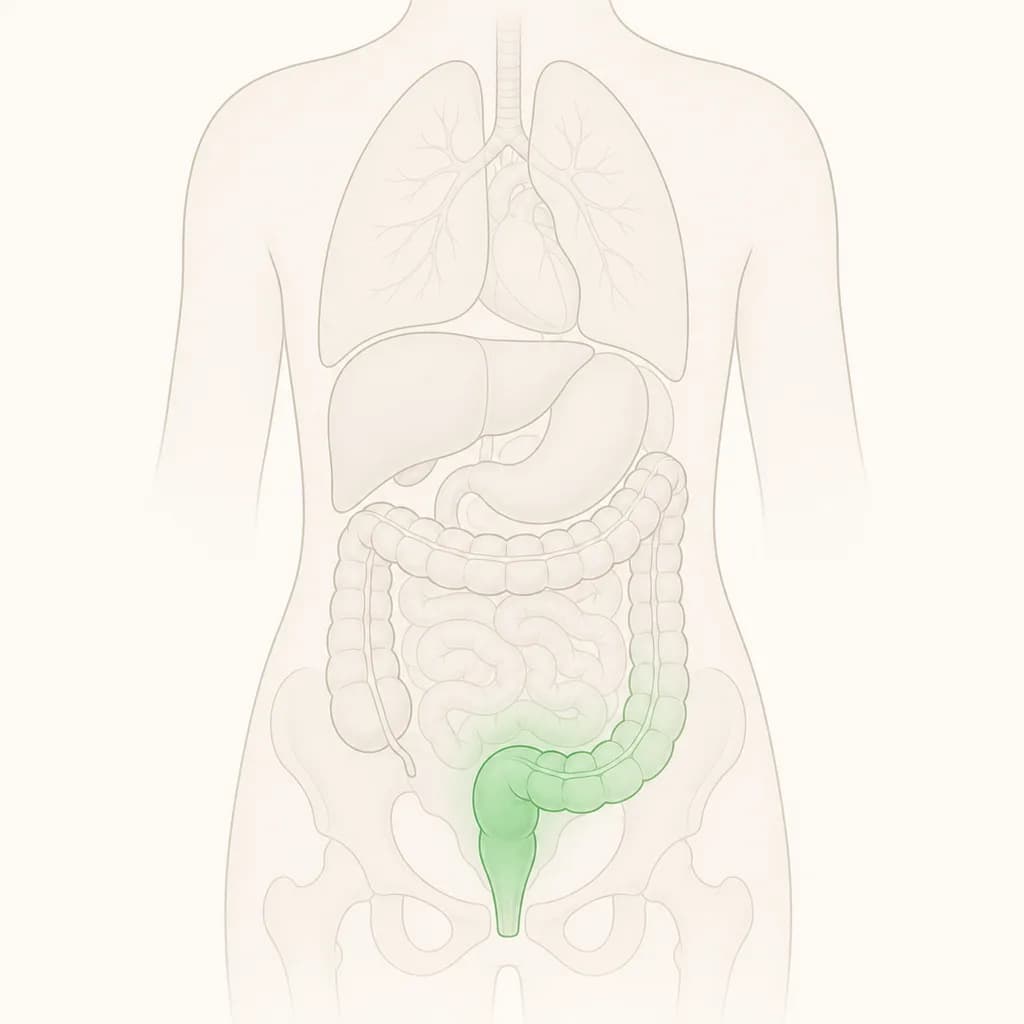
Bowel habits may change with lower activity, reduced appetite, difficulty drinking, or a new daily routine. Medicines for pain, iron, blood pressure, or other conditions can slow the bowel. Swallowing problems, memory changes, and limited mobility may make self-care harder. Hard stools, straining, and incomplete emptying are typical symptoms, but a new or persistent change should be reviewed rather than treated repeatedly without finding a cause.
Helpful daily measures
Offer or choose fluids regularly when there is no fluid restriction, and add fibre through soft fruit, vegetables, oats, beans, or wholegrain foods as tolerated. Increase fibre slowly, particularly when bloating is present. Short walks, chair exercises, or other safe movement may help. Keep a consistent toilet time, provide privacy, and use a footrest if balance allows. A pharmacist or clinician can review medicines and select a suitable stool softener or laxative. Never borrow another person’s remedy. Nutrition Counselling can adapt meals to appetite, chewing, and swallowing needs.
Warning signs and review
Seek urgent care for severe or worsening abdominal pain, repeated vomiting, a swollen abdomen, inability to pass gas, fever, faintness, or black or bloody stool. Get prompt advice if the person is confused, unusually weak, unable to drink, or passing very little urine. These may accompany Dehydration or another urgent problem. Arrange a review for ongoing constipation, sudden bowel changes, or unexplained weight loss; Hypothyroidism, Irritable Bowel Syndrome, and Diverticular Disease may need consideration depending on the symptoms.
Questions for the care team
Ask whether any current medicine is slowing the bowel, which product and dose are appropriate, and what fluid limit applies if heart or kidney disease is present. Describe mobility, appetite, swallowing, pain, bleeding, and the usual bowel pattern.
Find care
General Clinics & Polyclinics in Abu Dhabi
That answer is general. If you want it applied to your own case, these are licensed general clinics & polyclinics listed in Abu Dhabi.
27 Ar Ruwwad St - Shakhbout City - MSH4 - Abu Dhabi - United Arab Emirates
Accepts: Daman, Thiqa, Cigna, MetLife +20 more
Al Ruwais, Al Dhafrah
Accepts: Daman, Thiqa, AXA, Cigna +16 more
Al Bahyah - Al Bahyah Old - Abu Dhabi - United Arab Emirates
Accepts: Daman, Thiqa, Cigna, Allianz Care +18 more
Abu Dhabi
Accepts: Daman, Thiqa, AXA, Cigna +27 more
Ordered by verification status and how complete each clinic's public record is, then alphabetically. This is a directory listing, not a ranking — Zavis does not rate or recommend providers.
A factual listing drawn from the DHA, DOH and MOHAP licence registers. It is not a referral, an endorsement, or advice that any of these providers is right for you.
Questions people ask
Should an older adult take more fibre immediately?
Usually increase fibre gradually and ensure fluids are suitable; sudden fibre changes can worsen bloating or discomfort.
Why review medicines for constipation?
Pain medicines, iron, and other treatments can slow the bowel, and a clinician may adjust the plan safely.
Related
Related reading
Keep reading
Medical disclaimer. This page is general health information, not medical advice, and it cannot diagnose you. Always consult a licensed healthcare provider about your own symptoms and treatment. In an emergency in the UAE, call 998 for an ambulance.