
Constipation during labour
Short answer
Constipation during labour can feel like rectal pressure, but new severe pain, vomiting, bleeding or inability to pass gas needs maternity assessment.
This answers one question. It is not a diagnosis and does not replace an assessment by a licensed doctor.
At a glance
- May overlap with constipation
- Rectal pressure, bloating and the urge to open the bowels
- Report promptly
- Bleeding, abnormal fluid, severe pain, vomiting or reduced fetal movement
Why the sensations overlap
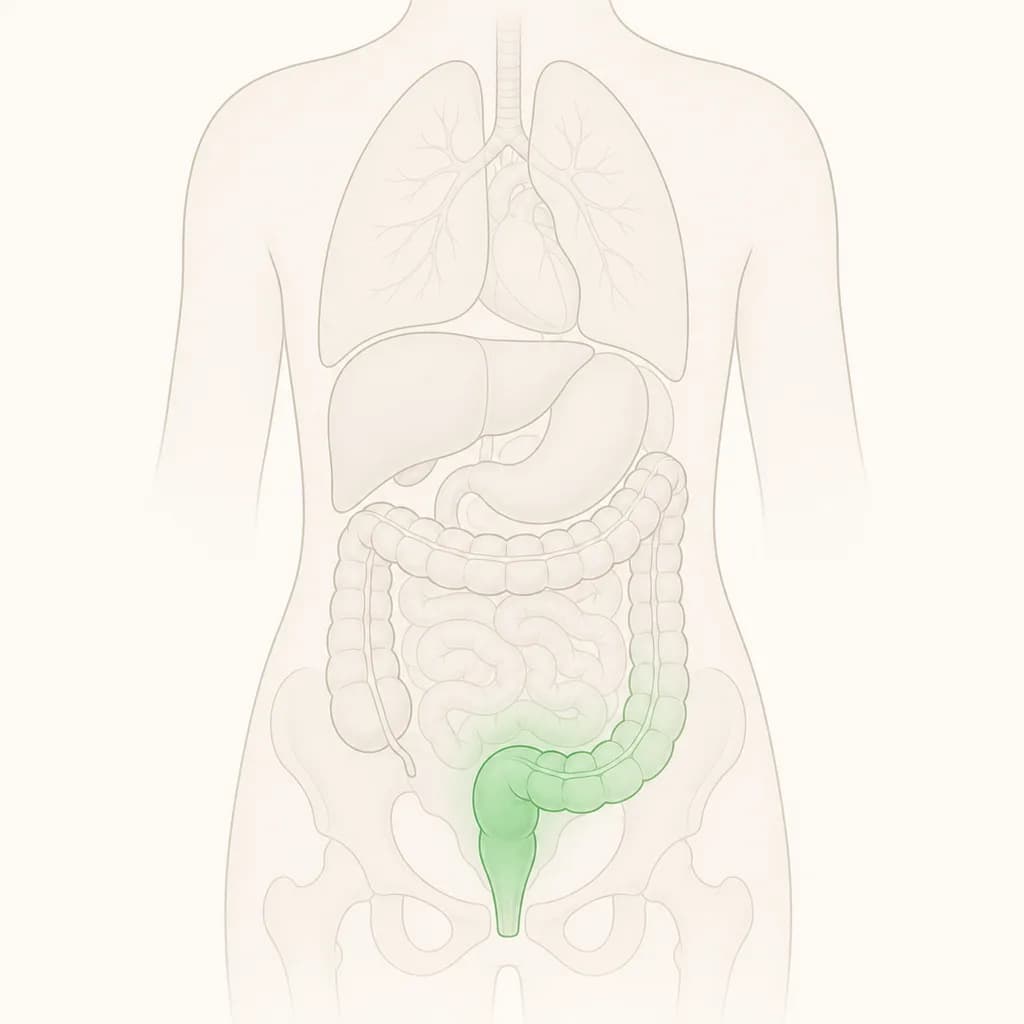
As labour progresses, contractions and the baby's descent can create pressure in the pelvis and rectum. This may feel similar to needing a bowel movement. Constipation itself causes hard stool, straining, bloating or discomfort, while labour is more likely to bring rhythmic tightening that changes in strength and spacing.
Tell the midwife or maternity unit exactly what you feel, including when it began, whether contractions are regular, whether your waters have broken and when you last passed stool or gas. You do not need to manage embarrassment; this information helps the team assess you and the baby.
What to do during labour
Follow the instructions from your maternity team about drinking, eating, movement and toileting. Do not take a laxative, enema or other bowel medicine during labour unless the team recommends it. If you are allowed to move, changing position or using the toilet with support may ease pressure.
If constipation began before labour, mention any remedies and medicines you have used. The team can distinguish bowel discomfort from labour-related pressure, check hydration and choose an approach that fits your stage of labour and clinical condition.
When to call the maternity team
Contact your maternity unit urgently for heavy vaginal bleeding, severe or constant abdominal pain, green or abnormal fluid, reduced fetal movement, repeated vomiting, faintness, a swollen firm abdomen, or inability to pass gas. Follow your local maternity plan if it gives different instructions.
If you are unsure whether pressure is a bowel symptom or a sign that labour is advancing, call rather than waiting. A clinician can ask about contractions and perform the checks needed to guide you safely.
Questions for your maternity team
Could this pressure be from contractions or the baby's position? May I use the toilet or change position? Are fluids or any bowel treatment appropriate now? Which changes in pain, bleeding, fluid or fetal movement should prompt an immediate call?
Find care
General Clinics & Polyclinics in Abu Dhabi
That answer is general. If you want it applied to your own case, these are licensed general clinics & polyclinics listed in Abu Dhabi.
27 Ar Ruwwad St - Shakhbout City - MSH4 - Abu Dhabi - United Arab Emirates
Accepts: Daman, Thiqa, Cigna, MetLife +20 more
Al Ruwais, Al Dhafrah
Accepts: Daman, Thiqa, AXA, Cigna +16 more
Al Bahyah - Al Bahyah Old - Abu Dhabi - United Arab Emirates
Accepts: Daman, Thiqa, Cigna, Allianz Care +18 more
Abu Dhabi
Accepts: Daman, Thiqa, AXA, Cigna +27 more
Ordered by verification status and how complete each clinic's public record is, then alphabetically. This is a directory listing, not a ranking — Zavis does not rate or recommend providers.
A factual listing drawn from the DHA, DOH and MOHAP licence registers. It is not a referral, an endorsement, or advice that any of these providers is right for you.
Questions people ask
Does rectal pressure always mean constipation?
No. Pressure can occur as the baby descends or as contractions progress, so the maternity team should assess a new sensation.
Can I use an enema during labour?
Do not use one unless your maternity team specifically advises it.
Related
Related reading
Keep reading
Medical disclaimer. This page is general health information, not medical advice, and it cannot diagnose you. Always consult a licensed healthcare provider about your own symptoms and treatment. In an emergency in the UAE, call 998 for an ambulance.