
Help for constipation during pregnancy
Short answer
Pregnancy constipation may improve with regular fluids, gradual fibre, gentle activity, and pregnancy-safe treatment chosen with your healthcare professional.
This answers one question. It is not a diagnosis and does not replace an assessment by a licensed doctor.
At a glance
- Start gently
- Increase fibre step by step.
- Daily support
- Regular fluids and pregnancy-approved movement.
- Before medicines
- Check laxatives and herbal products with your clinician.
Why constipation happens in pregnancy
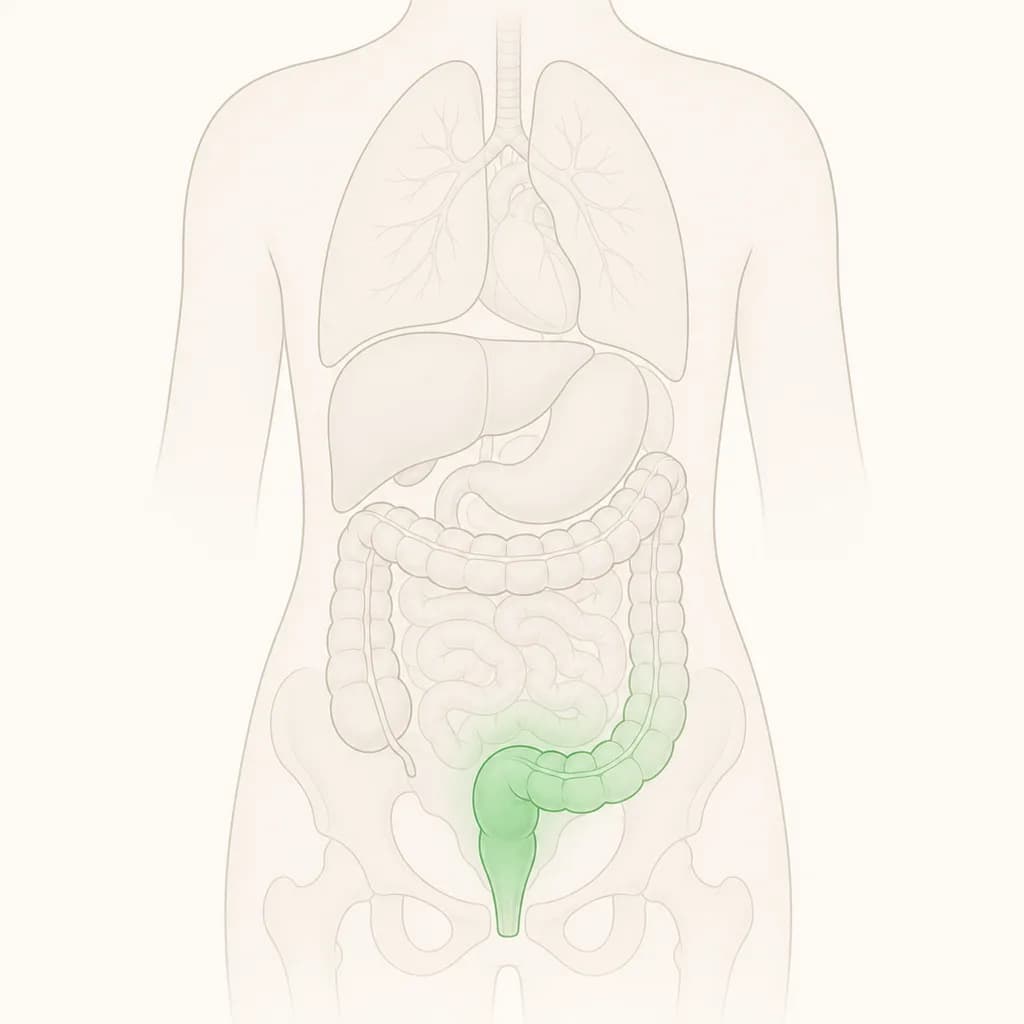
Hormonal changes can slow the bowel, and the growing uterus can change how stool moves through the abdomen. Nausea, reduced activity, dietary changes, iron supplements, and not drinking enough can add to the problem. Hard stools, straining, fewer bowel movements, or a feeling of incomplete emptying are useful details to record.
A gentle plan
Choose fibre-rich foods such as fruit, vegetables, oats, whole grains, pulses, and nuts, adding them gradually. Drink regularly and take short walks or other activity approved for your pregnancy. Respond to the urge to open your bowels and use a comfortable footstool to raise your knees if that helps. Ask your maternity clinician before using laxatives, herbal products, enemas, or changing an iron supplement.
When to get checked
Contact your maternity team promptly for severe abdominal pain, repeated vomiting, blood in the stool, black tarry stool, fever, or inability to pass stool or gas. Seek advice if constipation lasts despite these measures, causes painful haemorrhoids, or makes it difficult to eat and drink. Dizziness, reduced urination, or very dark urine may indicate dehydration.
What to discuss
Ask which fibre, stool softener, or laxative options are suitable for your stage of pregnancy and how to take them. Tell your clinician about iron, anti-nausea medicines, thyroid treatment, fluid restrictions, pain, and the timing of your bowel changes.
Find care
General Clinics & Polyclinics in Abu Dhabi
That answer is general. If you want it applied to your own case, these are licensed general clinics & polyclinics listed in Abu Dhabi.
27 Ar Ruwwad St - Shakhbout City - MSH4 - Abu Dhabi - United Arab Emirates
Accepts: Daman, Thiqa, Cigna, MetLife +20 more
Al Ruwais, Al Dhafrah
Accepts: Daman, Thiqa, AXA, Cigna +16 more
Al Bahyah - Al Bahyah Old - Abu Dhabi - United Arab Emirates
Accepts: Daman, Thiqa, Cigna, Allianz Care +18 more
Abu Dhabi
Accepts: Daman, Thiqa, AXA, Cigna +27 more
Ordered by verification status and how complete each clinic's public record is, then alphabetically. This is a directory listing, not a ranking — Zavis does not rate or recommend providers.
A factual listing drawn from the DHA, DOH and MOHAP licence registers. It is not a referral, an endorsement, or advice that any of these providers is right for you.
Questions people ask
What is the safest first step for pregnancy constipation?
Regular fluids, gradual dietary fibre, and gentle activity are reasonable starting points when approved for your pregnancy.
Can you take a laxative while pregnant?
Some options may be used, but the choice and dose should come from a clinician or pharmacist familiar with your pregnancy.
Related
Related reading
Keep reading
Medical disclaimer. This page is general health information, not medical advice, and it cannot diagnose you. Always consult a licensed healthcare provider about your own symptoms and treatment. In an emergency in the UAE, call 998 for an ambulance.