
Constipation during third-trimester pregnancy
Short answer
During third-trimester pregnancy, constipation may reflect hormones, uterine pressure, iron, or reduced movement, so use gradual bowel care and check medicines with your maternity team.
This answers one question. It is not a diagnosis and does not replace an assessment by a licensed doctor.
At a glance
- Helpful habits
- Regular fluids, gradual fibre, gentle activity, and avoiding straining
- Medicine check
- Review every laxative, supplement, and iron product with a pregnancy clinician
How the third trimester changes bowel habits
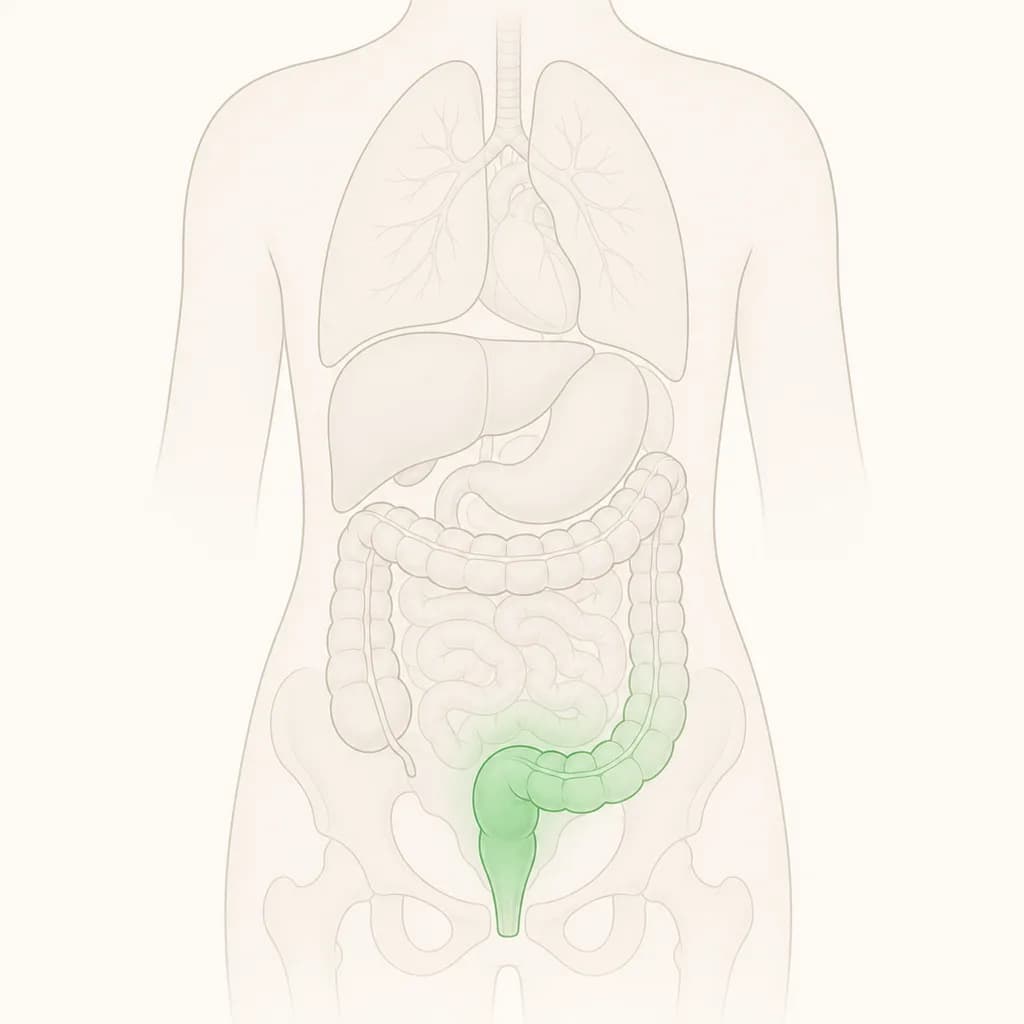
Pregnancy hormones can reduce bowel activity. As the uterus grows, pressure in the abdomen may alter how stool moves. Iron in prenatal supplements, less walking because of fatigue or discomfort, and not replacing fluids can make stool firmer. Avoiding the toilet because of pelvic pressure or haemorrhoids can reinforce the cycle.
Constipation can include hard stool, straining, bloating, or a feeling of incomplete emptying. It does not by itself show that a pregnancy is unsafe. Ongoing symptoms may need a medicine review and assessment for contributors such as dehydration, hypothyroidism, or irritable bowel syndrome.
A safe routine to try
Drink regularly when allowed by your maternity team, and add fibre gradually from produce, whole grains, pulses, and nuts. Gentle movement within your pregnancy advice can help. Go when the urge appears; relax your abdomen, avoid prolonged straining, and use a small footrest for a more natural position.
If self-care is insufficient, ask your obstetric clinician or pharmacist about a suitable stool softener or laxative. Mention all supplements and medicines. Do not discontinue iron, use castor oil, or take a borrowed treatment without professional guidance.
When symptoms need assessment
Seek advice if constipation lasts, returns often, or causes significant pain. Get urgent medical assessment for severe abdominal pain, persistent vomiting, marked swelling, inability to pass gas, blood in the stool, fever, faintness, or dehydration symptoms. Maternity services should also assess vaginal bleeding, fluid loss, regular painful contractions, or reduced fetal movement.
Questions for your maternity clinician
Ask which treatment is suitable at your stage, whether iron can be adjusted safely, and what improvement to expect. Share your bowel pattern, pain level, vomiting, bleeding, and any pregnancy warning signs.
Find care
General Clinics & Polyclinics in Abu Dhabi
That answer is general. If you want it applied to your own case, these are licensed general clinics & polyclinics listed in Abu Dhabi.
27 Ar Ruwwad St - Shakhbout City - MSH4 - Abu Dhabi - United Arab Emirates
Accepts: Daman, Thiqa, Cigna, MetLife +20 more
Al Ruwais, Al Dhafrah
Accepts: Daman, Thiqa, AXA, Cigna +16 more
Al Bahyah - Al Bahyah Old - Abu Dhabi - United Arab Emirates
Accepts: Daman, Thiqa, Cigna, Allianz Care +18 more
Abu Dhabi
Accepts: Daman, Thiqa, AXA, Cigna +27 more
Ordered by verification status and how complete each clinic's public record is, then alphabetically. This is a directory listing, not a ranking — Zavis does not rate or recommend providers.
A factual listing drawn from the DHA, DOH and MOHAP licence registers. It is not a referral, an endorsement, or advice that any of these providers is right for you.
Questions people ask
Can I strain to pass stool in late pregnancy?
Try not to strain for a prolonged time. A footrest, fluids, gradual fibre, and an approved treatment can reduce the need to push.
When should constipation be discussed with my maternity team?
Discuss it when it persists, is painful, or comes with vomiting, bleeding, severe pain, or difficulty passing gas.
Related
Related reading
Keep reading
Medical disclaimer. This page is general health information, not medical advice, and it cannot diagnose you. Always consult a licensed healthcare provider about your own symptoms and treatment. In an emergency in the UAE, call 998 for an ambulance.