
Constipation during pregnancy: what can you take?
Short answer
During pregnancy, constipation is often eased with fluids, gradual fibre, activity, and an approved bowel medicine chosen with your maternity clinician.
This answers one question. It is not a diagnosis and does not replace an assessment by a licensed doctor.
At a glance
- Start with
- Fluids, gradual fibre, comfortable activity, and responding to the urge
- Check before taking
- Laxatives, herbal products, and any change to prescribed iron
Why it happens in pregnancy
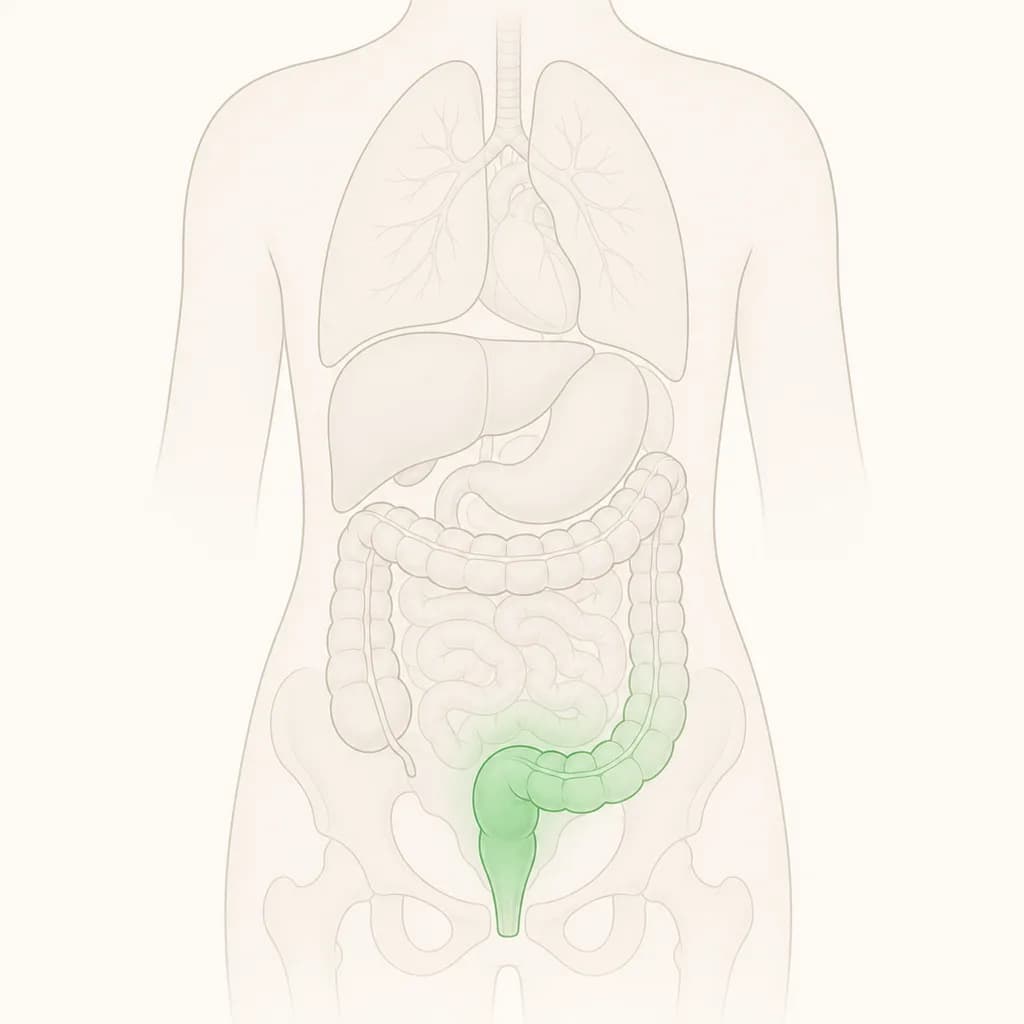
Pregnancy hormones can slow movement through the bowel. A growing uterus, reduced activity, changes in diet, iron supplements, and not drinking enough can add to the problem. Hard stools, straining, bloating, or fewer bowel movements can all occur.
Constipation itself does not automatically indicate a pregnancy complication. However, a clinician should consider other contributors if it is persistent, severe, or accompanied by unusual symptoms. Dehydration, hypothyroidism, and irritable bowel syndrome can also affect bowel habits.
What you can try
Sip water throughout the day if you have no fluid restriction. Build fibre slowly with vegetables, fruit, oats, whole grains, beans, and seeds, and keep moving with comfortable walking or pregnancy-approved activity. Use the toilet when you feel the urge; a small footrest can make the position more comfortable.
If these measures are not enough, ask your obstetric clinician or pharmacist about a pregnancy-suitable stool softener or laxative. Do not start herbal products, stimulant laxatives, or someone else’s medicine without checking first. If iron appears to worsen constipation, ask whether the formulation or timing can be changed rather than stopping it yourself.
When to contact your maternity team
Arrange advice when constipation persists, repeatedly returns, or interferes with eating, sleeping, or daily activity. Seek urgent assessment for severe abdominal pain, persistent vomiting, a markedly swollen abdomen, inability to pass gas, blood in the stool, fever, faintness, or symptoms of dehydration. During pregnancy, contact your maternity service as well for bleeding, fluid loss, regular painful contractions, or reduced fetal movement.
Useful questions
Ask which fibre or bowel medicine is appropriate for your stage of pregnancy, how it fits with prenatal vitamins and iron, and how long to try it. Tell the clinician about pain, vomiting, bleeding, and your usual bowel pattern.
Find care
General Clinics & Polyclinics in Abu Dhabi
That answer is general. If you want it applied to your own case, these are licensed general clinics & polyclinics listed in Abu Dhabi.
27 Ar Ruwwad St - Shakhbout City - MSH4 - Abu Dhabi - United Arab Emirates
Accepts: Daman, Thiqa, Cigna, MetLife +20 more
Al Ruwais, Al Dhafrah
Accepts: Daman, Thiqa, AXA, Cigna +16 more
Al Bahyah - Al Bahyah Old - Abu Dhabi - United Arab Emirates
Accepts: Daman, Thiqa, Cigna, Allianz Care +18 more
Abu Dhabi
Accepts: Daman, Thiqa, AXA, Cigna +27 more
Ordered by verification status and how complete each clinic's public record is, then alphabetically. This is a directory listing, not a ranking — Zavis does not rate or recommend providers.
A factual listing drawn from the DHA, DOH and MOHAP licence registers. It is not a referral, an endorsement, or advice that any of these providers is right for you.
Questions people ask
Can I take a laxative when pregnant?
Some bowel medicines may be used in pregnancy, but the right choice depends on your symptoms, stage of pregnancy, and other medicines.
Can iron tablets cause constipation?
Iron can make stools harder or bowel movements less frequent for some people. Ask your clinician about alternatives before changing the dose.
Related
Related reading
Keep reading
Medical disclaimer. This page is general health information, not medical advice, and it cannot diagnose you. Always consult a licensed healthcare provider about your own symptoms and treatment. In an emergency in the UAE, call 998 for an ambulance.