
What should you know about constipation after pregnancy c section?
Short answer
After a caesarean birth, constipation often needs fluids, gradual fibre, comfortable movement, and a review of medicines or warning symptoms.
This answers one question. It is not a diagnosis and does not replace an assessment by a licensed doctor.
At a glance
- Possible contributors
- Surgery, reduced movement, opioid pain relief, nausea, and low fluid intake
- Avoid
- Forceful straining or stopping prescribed medicines without advice
Why a caesarean can affect the bowel
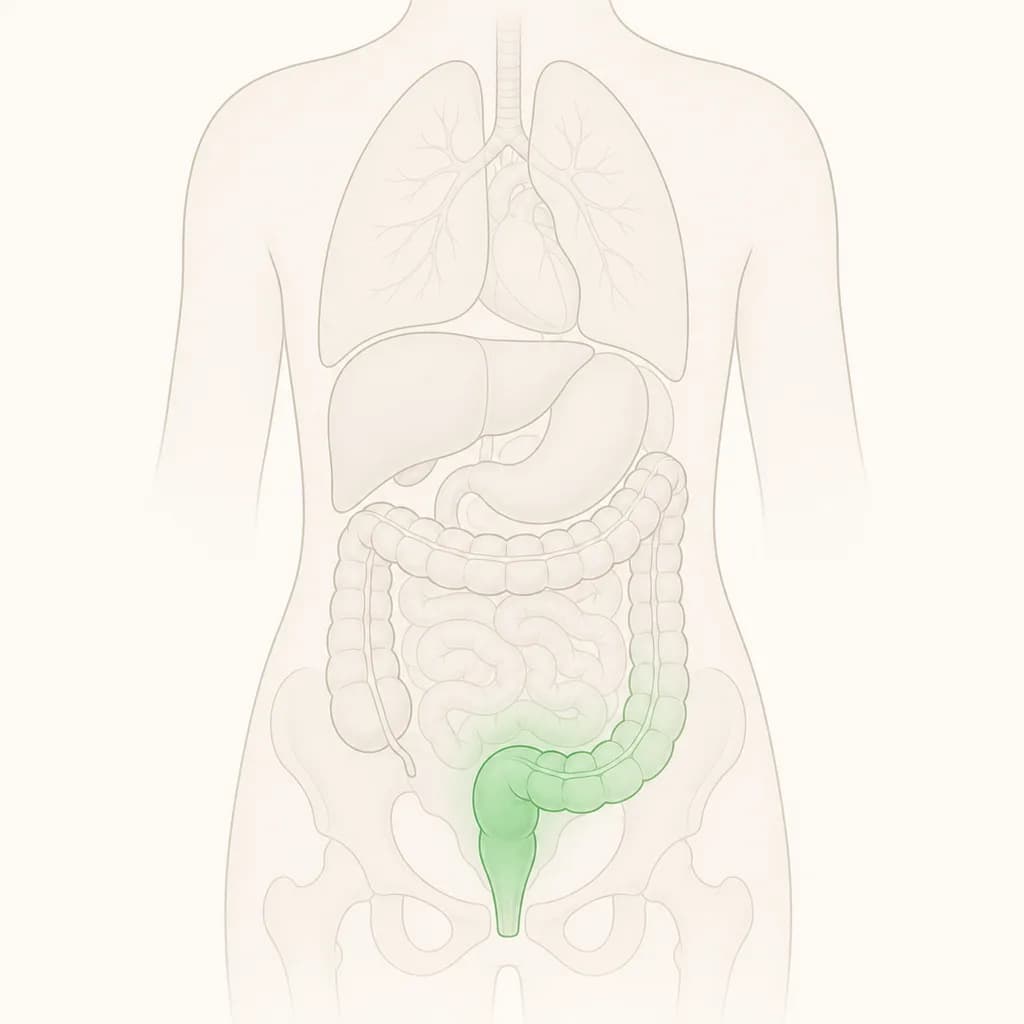
After surgery, activity may be restricted and the bowel can be sluggish while your body recovers. Opioid pain medicines commonly slow bowel movement, and nausea or tiredness may reduce eating and drinking. Abdominal tenderness can make you worry about pushing, so stool may remain longer and harden. Constipation is separate from the healing incision, but severe pain, vomiting, or increasing swelling should not be assumed to be routine recovery.
Practical steps during recovery
Follow the movement advice from your maternity team and take brief walks as tolerated. Drink regularly, then build fibre through fruit, vegetables, oats, lentils, and whole grains rather than making a sudden large change. Use the toilet when you feel the urge and avoid forceful straining. Ask the surgical or maternity team whether a stool softener or laxative is appropriate, and discuss opioid pain relief if bowel symptoms began after it.
When to get help
Call your maternity or surgical team if you cannot pass stool, constipation is worsening, or pain prevents normal movement. Seek urgent assessment for severe abdominal pain, repeated vomiting, a swollen or rigid abdomen, inability to pass wind, faintness, fever, or blood in stool. Tarry dark stool also needs prompt medical review. The incision should be assessed separately if it becomes increasingly red, painful, or starts draining.
Useful questions
Ask which bowel medicine fits your recovery and feeding plans, whether your pain medicine can be adjusted, and what activity is safe. Tell the clinician when you last passed stool or wind, whether you are vomiting, and every medicine or supplement you use.
Find care
General Clinics & Polyclinics in Abu Dhabi
That answer is general. If you want it applied to your own case, these are licensed general clinics & polyclinics listed in Abu Dhabi.
27 Ar Ruwwad St - Shakhbout City - MSH4 - Abu Dhabi - United Arab Emirates
Accepts: Daman, Thiqa, Cigna, MetLife +20 more
Al Ruwais, Al Dhafrah
Accepts: Daman, Thiqa, AXA, Cigna +16 more
Al Bahyah - Al Bahyah Old - Abu Dhabi - United Arab Emirates
Accepts: Daman, Thiqa, Cigna, Allianz Care +18 more
Abu Dhabi
Accepts: Daman, Thiqa, AXA, Cigna +27 more
Ordered by verification status and how complete each clinic's public record is, then alphabetically. This is a directory listing, not a ranking — Zavis does not rate or recommend providers.
A factual listing drawn from the DHA, DOH and MOHAP licence registers. It is not a referral, an endorsement, or advice that any of these providers is right for you.
Questions people ask
Is constipation expected after a caesarean birth?
It can occur during recovery, especially with reduced movement or opioid pain relief, but persistent or severe symptoms deserve clinical advice.
Can I use a laxative while breastfeeding?
Some options may be suitable, but ask your maternity team or pharmacist to match treatment to your situation.
Related
Related reading
Keep reading
Medical disclaimer. This page is general health information, not medical advice, and it cannot diagnose you. Always consult a licensed healthcare provider about your own symptoms and treatment. In an emergency in the UAE, call 998 for an ambulance.