
Constipation after antibiotics: what to know
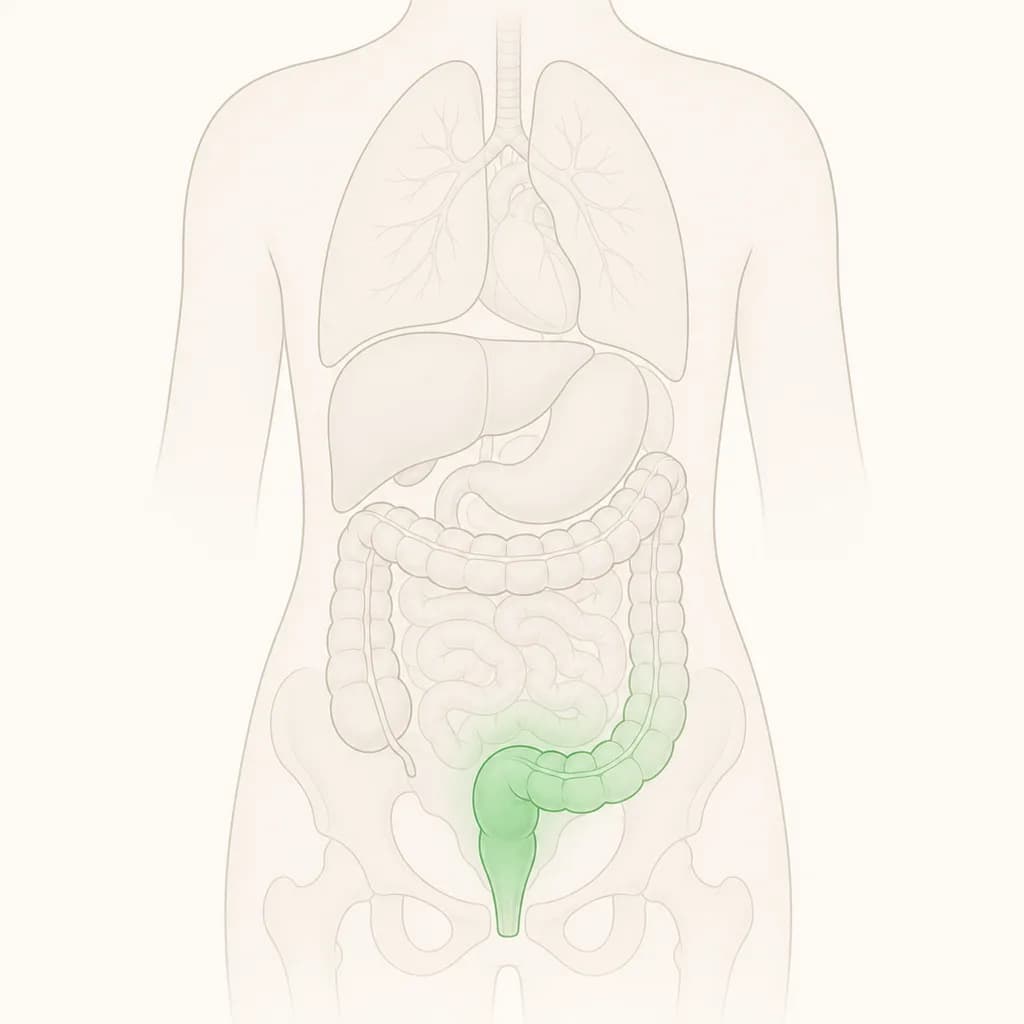
Short answer
Constipation after antibiotics may follow altered bowel activity or routine changes, but ongoing or severe symptoms need medical assessment.
This answers one question. It is not a diagnosis and does not replace an assessment by a licensed doctor.
At a glance
- Possible contributors
- Illness, low fluids, reduced movement, and medicines
- Self-care
- Gradual fibre, fluids, activity, and relaxed toilet time
- Medication
- Ask before adding a laxative or supplement
What it may mean
Illness, reduced eating or drinking, less movement, and medicines taken during treatment can all slow bowel movements. Antibiotics can change the balance of gut microbes, although constipation is not the only possible bowel effect. Hard stools, straining, bloating, or a feeling that stool has not fully passed are typical features.
Do not assume every new symptom is caused by the antibiotic. Note the antibiotic name, when you started and stopped it, other medicines, your fluid intake, and whether you can pass gas. Recurrent symptoms may need assessment for irritable bowel syndrome, hypothyroidism, dehydration, or another digestive problem.
What to do next
Keep drinking regularly unless a clinician has restricted your fluids. Increase fibre gently with fruit, vegetables, pulses, and whole grains, and resume light activity as your illness allows. Use a regular toilet routine and avoid repeated straining.
Do not stop a prescribed antibiotic early or restart leftover doses without speaking with the prescriber. Ask a pharmacist before taking a laxative, probiotic, or supplement, particularly if you have kidney disease, are pregnant, or take several medicines.
When to seek care
Get urgent help for severe abdominal pain, repeated vomiting, a swollen abdomen, inability to pass gas, black or bloody stool, faintness, or severe weakness. Arrange a review if constipation does not improve, returns repeatedly, or occurs with fever, ongoing diarrhoea, or a significant change in bowel habit.
Questions for your doctor
Ask whether the antibiotic or another medicine could be contributing, whether you need a bowel treatment, and what warning signs matter for your illness. Share the treatment dates, your last bowel movement, pain, vomiting, bleeding, and any previous bowel condition.
Find care
General Clinics & Polyclinics in Abu Dhabi
That answer is general. If you want it applied to your own case, these are licensed general clinics & polyclinics listed in Abu Dhabi.
27 Ar Ruwwad St - Shakhbout City - MSH4 - Abu Dhabi - United Arab Emirates
Accepts: Daman, Thiqa, Cigna, MetLife +20 more
Al Ruwais, Al Dhafrah
Accepts: Daman, Thiqa, AXA, Cigna +16 more
Al Bahyah - Al Bahyah Old - Abu Dhabi - United Arab Emirates
Accepts: Daman, Thiqa, Cigna, Allianz Care +18 more
Abu Dhabi
Accepts: Daman, Thiqa, AXA, Cigna +27 more
Ordered by verification status and how complete each clinic's public record is, then alphabetically. This is a directory listing, not a ranking — Zavis does not rate or recommend providers.
A factual listing drawn from the DHA, DOH and MOHAP licence registers. It is not a referral, an endorsement, or advice that any of these providers is right for you.
Questions people ask
Should I stop my antibiotic because I am constipated?
Do not stop a prescribed course without advice; contact the prescriber or pharmacist about the symptom.
Can antibiotics cause other bowel symptoms?
Yes. Antibiotics can alter bowel activity and may be followed by different digestive symptoms, so persistent changes deserve review.
Related
Related reading
Keep reading
Medical disclaimer. This page is general health information, not medical advice, and it cannot diagnose you. Always consult a licensed healthcare provider about your own symptoms and treatment. In an emergency in the UAE, call 998 for an ambulance.