
What should you know about common cause of hyperthyroidism?
Updated
Short answer
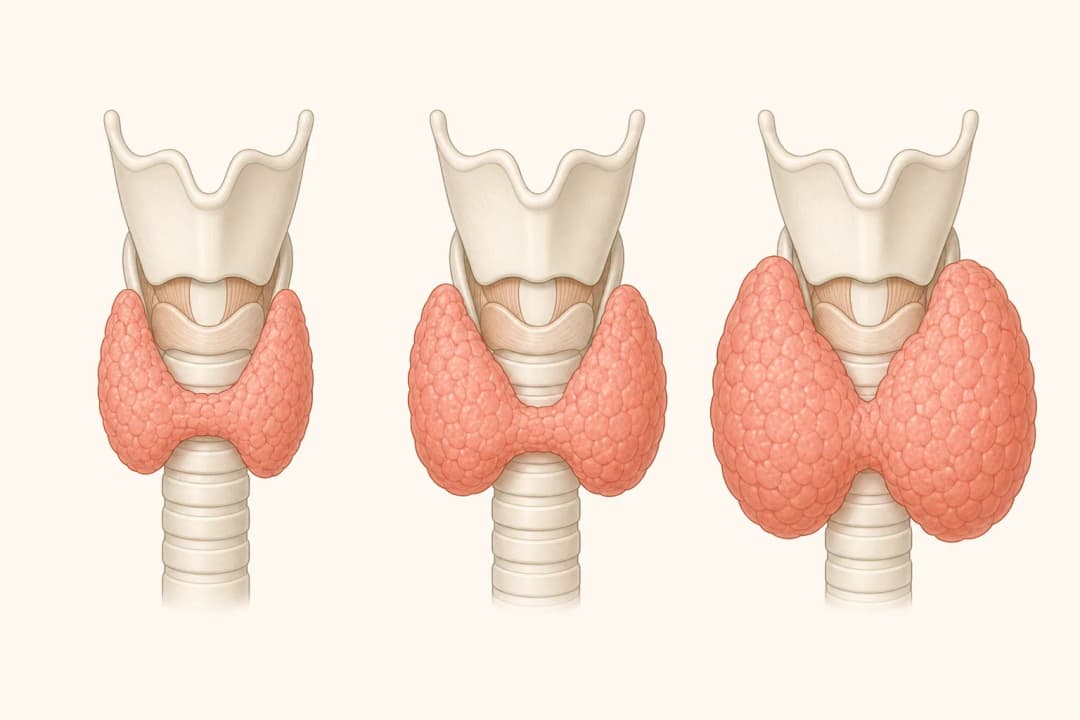
The most common cause of hyperthyroidism is Graves’ disease, an autoimmune condition that overstimulates the thyroid gland.
This answers one question. It is not a diagnosis and does not replace an assessment by a licensed doctor.
At a glance
- Common cause
- Graves’ disease
- Main organ
- Thyroid gland
- Assessment
- Symptoms, examination and blood tests
What this means
The thyroid sits at the front of the neck and releases hormones that influence how quickly the body uses energy. In Graves’ disease, the immune system makes antibodies that act like a signal telling the thyroid to keep working. This can produce symptoms such as palpitations, excessive sweating, heat intolerance, difficulty sleeping, feeling anxious, diarrhoea or night sweats. A symptom alone does not establish the cause; several other thyroid problems, medicines and inflammation can also alter hormone levels.
A clinician usually considers your symptoms, examines your neck and checks thyroid-stimulating hormone alongside thyroid hormone levels. Further blood tests or imaging may help distinguish Graves’ disease from other causes.
What to do next
Arrange a medical assessment if symptoms persist, recur or affect sleep, exercise or daily activities. Bring a list of medicines and supplements, including products containing iodine, and mention recent illness or pregnancy. Treatment depends on the cause and may include medicine that reduces thyroid hormone production, symptom control or specialist treatment. Do not start or stop thyroid medicine without advice.
When to seek care
Seek urgent medical help for severe or rapidly worsening palpitations, chest pain, fainting, marked breathlessness, confusion or a very high temperature. These symptoms can signal a serious complication and need prompt assessment. Contact a clinician soon if you have new neck swelling, eye pain or vision changes, or unexplained weight loss with tremor and sweating.
Questions for your doctor
Ask which thyroid tests are needed, whether Graves’ disease is suspected, what could explain your symptoms if the tests are normal, and how treatment might affect other medicines or pregnancy plans.
Find care
General Clinics & Polyclinics in Dubai
That answer is general. If you want it applied to your own case, these are licensed general clinics & polyclinics listed in Dubai.
The Court Residence, 39B Street, Jumeirah 1, Dubai
Accepts: Tabby, Tamara
Elite Business Bay Residence - Shop 03 & 04, 34 Marasi Dr - Business Bay - Dubai - United Arab Emirates
Accepts: Tabby
Airport View Building, Al Garhoud, Dubai
Accepts: Daman, Thiqa, AXA, Cigna +25 more
IBIS Building, 5th Floor, Unit 5003, Deira, Dubai
Accepts: AXA, Cigna, MetLife, Allianz Care +18 more
Ordered by verification status and how complete each clinic's public record is, then alphabetically. This is a directory listing, not a ranking — Zavis does not rate or recommend providers.
A factual listing drawn from the UAE health regulators' public licence registers. It is not a referral, an endorsement, or advice that any of these providers is right for you.
Questions people ask
Is Graves’ disease the only cause of hyperthyroidism?
No. Thyroid inflammation, hormone-producing thyroid nodules and some medicines can also cause an overactive thyroid.
Can symptoms confirm hyperthyroidism?
No. Symptoms can suggest excess thyroid hormone, but blood tests are needed to confirm the diagnosis and explore the cause.
Related
Related reading
Keep reading
Medical disclaimer. This page is general health information, not medical advice, and it cannot diagnose you. Always consult a licensed healthcare provider about your own symptoms and treatment. In an emergency in the UAE, call 998 for an ambulance.