
Coming off Nexplanon
Short answer
Nexplanon must be removed by a trained clinician, and pregnancy can become possible soon after removal.
This answers one question. It is not a diagnosis and does not replace an assessment by a licensed doctor.
At a glance
- Removal
- Performed by a trained clinician
- Hormone
- Etonogestrel
- Pregnancy planning
- Fertility can return soon after removal
Direct answer
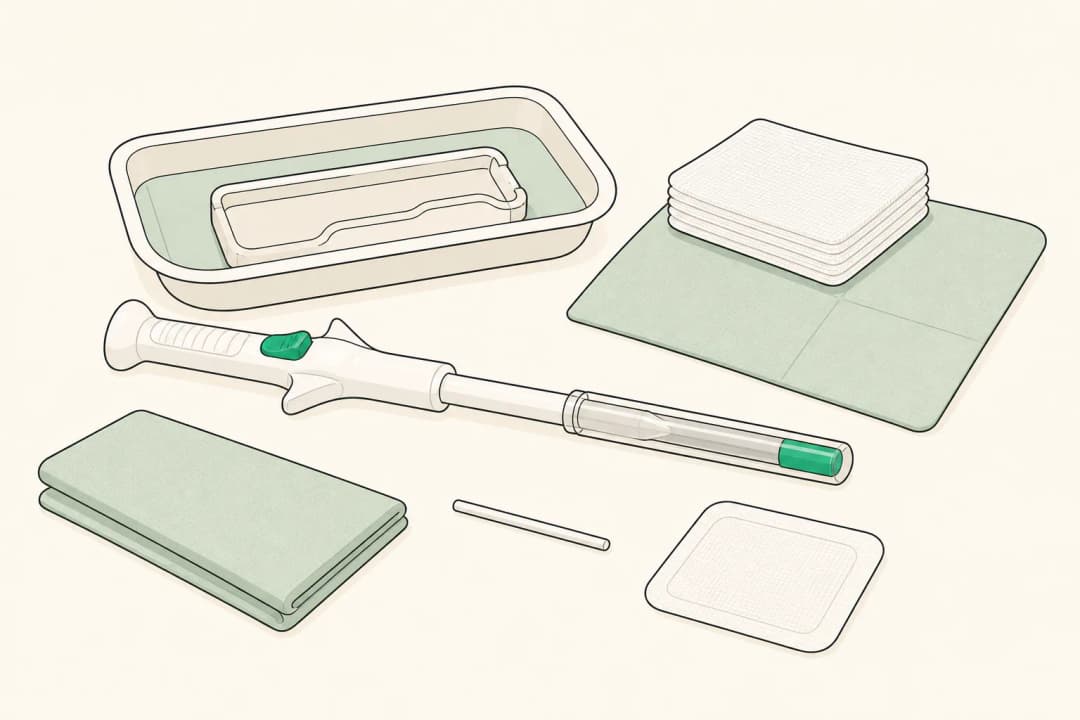
Do not try to remove the implant yourself. The clinician locates the rod in your upper arm, numbs the skin and removes it through a small opening. A replacement implant can often be inserted during the same visit if you want to continue this method.
What may change afterwards
The implant releases a progestogen called etonogestrel. Once it is removed, that contraceptive effect wears off and ovulation can resume. Your bleeding pattern may alter again; periods may return to their earlier pattern, but the timing is not identical for everyone.
Headaches, breast tenderness, acne, mood changes or irregular bleeding that occurred while using the implant may improve after removal, although another cause may be responsible if they continue. Removal does not require a hormone taper.
Before and after removal
Tell the clinic if the implant feels bent, has moved, cannot be felt, or if you take medicines that affect hormonal contraception. If you want to avoid pregnancy, agree on the next method before removal so protection can continue without an unintended gap.
Keep the dressing on for the period advised by the clinician and keep the area clean and dry. Mild tenderness or bruising can occur. Follow the clinic's instructions about activity, pain relief and when to remove the dressing.
When to seek care
Contact the clinic promptly if the wound becomes increasingly red, hot, swollen or painful, releases pus, continues bleeding, or if you develop fever. New numbness, weakness or severe pain in the arm also needs timely assessment.
Seek urgent care for heavy vaginal bleeding with dizziness, severe pelvic pain, or pain and bleeding alongside a possible pregnancy. Arrange routine review if periods remain absent or unpredictable and this concerns you.
Questions for the removal visit
Ask how the implant will be located, what wound care is needed and when your chosen replacement contraception becomes effective. If the rod is deep or difficult to feel, ask whether imaging or referral to an experienced removal service is required.
Find care
General Clinics & Polyclinics in Abu Dhabi
That answer is general. If you want it applied to your own case, these are licensed general clinics & polyclinics listed in Abu Dhabi.
27 Ar Ruwwad St - Shakhbout City - MSH4 - Abu Dhabi - United Arab Emirates
Accepts: Daman, Thiqa, Cigna, MetLife +20 more
Al Ruwais, Al Dhafrah
Accepts: Daman, Thiqa, AXA, Cigna +16 more
Al Bahyah - Al Bahyah Old - Abu Dhabi - United Arab Emirates
Accepts: Daman, Thiqa, Cigna, Allianz Care +18 more
Abu Dhabi
Accepts: Daman, Thiqa, AXA, Cigna +27 more
Ordered by verification status and how complete each clinic's public record is, then alphabetically. This is a directory listing, not a ranking — Zavis does not rate or recommend providers.
A factual listing drawn from the DHA, DOH and MOHAP licence registers. It is not a referral, an endorsement, or advice that any of these providers is right for you.
Questions people ask
Can I remove Nexplanon at home?
No. Home removal can cause bleeding, infection, nerve injury or an incomplete removal. Book a trained clinician who can locate and remove the entire rod.
Do I need to wait before trying to conceive?
There is generally no required waiting period after removal. Ask about pre-pregnancy care and review any regular medicines before trying.
What if the implant cannot be felt?
Use another contraceptive method as advised and arrange clinical assessment. Imaging may be needed to locate the rod before removal; blind attempts should be avoided.
Related
Related reading
Keep reading
Medical disclaimer. This page is general health information, not medical advice, and it cannot diagnose you. Always consult a licensed healthcare provider about your own symptoms and treatment. In an emergency in the UAE, call 998 for an ambulance.