
Carcinoma in situ of the bladder and cystoscopy
Short answer
Cystoscopy helps inspect the bladder lining for changes linked with carcinoma in situ, but tissue sampling and clinical review may be needed to confirm the diagnosis.
This answers one question. It is not a diagnosis and does not replace an assessment by a licensed doctor.
At a glance
- Test
- A camera examination of the urethra and bladder
- Focus
- The bladder lining and any suspicious flat changes
- Confirmation
- May require tissue sampling and clinical review
What the test can show
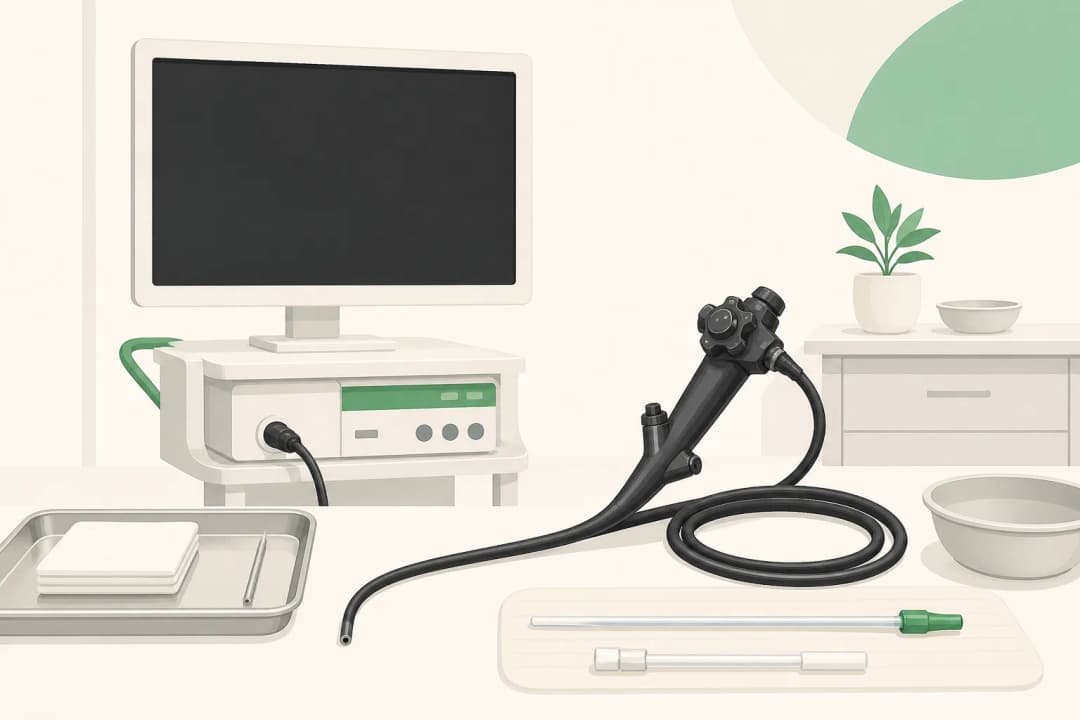
Carcinoma in situ is an abnormal change in the surface cells of the bladder lining. It can look like a flat, irritated or reddened area rather than a distinct lump. During cystoscopy, a clinician passes a narrow camera through the urethra to view the bladder directly. A normal-looking area does not always settle the question, because subtle lining changes can require closer assessment or a biopsy.
Preparing for the appointment
Follow the testing team's instructions about medicines, eating, drinking and arranging transport. Tell them about blood-thinning medicines, allergies, urinary symptoms and any previous bladder procedures. Ask whether the cystoscopy is being done with local anaesthetic or sedation, and when results from visual inspection or tissue samples will be discussed. The broader context of bladder cancer assessment may help you prepare.
When to seek care
Contact the care team promptly if you develop inability to pass urine, heavy or persistent blood in the urine, fever, chills, worsening lower abdominal pain or burning that does not settle after the procedure. Seek urgent help for severe pain, fainting or marked weakness. Before the test, report new visible blood in the urine or rapidly worsening urinary symptoms so the team can advise on timing.
Questions for your doctor
Ask what prompted the cystoscopy, whether the lining will be sampled, how results are reported, and what the next step would be if carcinoma in situ is suspected or confirmed. You can also ask how to manage urinary discomfort afterward and which symptoms should trigger a call.
Questions people ask
Can cystoscopy alone confirm carcinoma in situ?
No. It can reveal lining changes, but confirmation may require tissue sampling, laboratory assessment and review of your symptoms and other findings.
What should I report before cystoscopy?
Tell the team about blood-thinning medicines, allergies, urinary symptoms, previous procedures and any difficulty arranging transport or sedation support.
Related
Related reading
Keep reading
Cancer care in the UAE
Hospitals & Medical Centers in Abu Dhabi
Most UAE cancer care is delivered inside hospital services rather than by standalone oncology clinics, so these are licensed hospitals & medical centers listed in Abu Dhabi. Confirm the specific cancer service exists before you travel, and know that asking for a second opinion is routine.
Ahalia Hospital Musaffah Building - Musaffah - Musaffah Industrial - Abu Dhabi - United Arab Emirates
Accepts: Daman, Thiqa, AXA, Cigna +26 more
Al Ruwais Industrial City - Abu Dhabi - United Arab Emirates
Accepts: Daman, Thiqa, AXA, Cigna +30 more
Abu Dhabi, Abu Dhabi
Accepts: Daman, Thiqa, AXA, Cigna +30 more
Second opinions are routine in cancer care and asking for one does not affect your treatment. How to arrange a second opinion in the UAE.
Ordered by verification status and how complete each clinic's public record is, then alphabetically. This is a directory listing, not a ranking — Zavis does not rate or recommend providers.
A factual listing drawn from the DHA, DOH and MOHAP licence registers. It is not a referral, an endorsement, or advice that any of these providers is right for you.
Medical disclaimer. This page is general health information, not medical advice, and it cannot diagnose you. Always consult a licensed healthcare provider about your own symptoms and treatment. In an emergency in the UAE, call 998 for an ambulance.