
What should you know about BAUS rigid cystoscopy?
Short answer
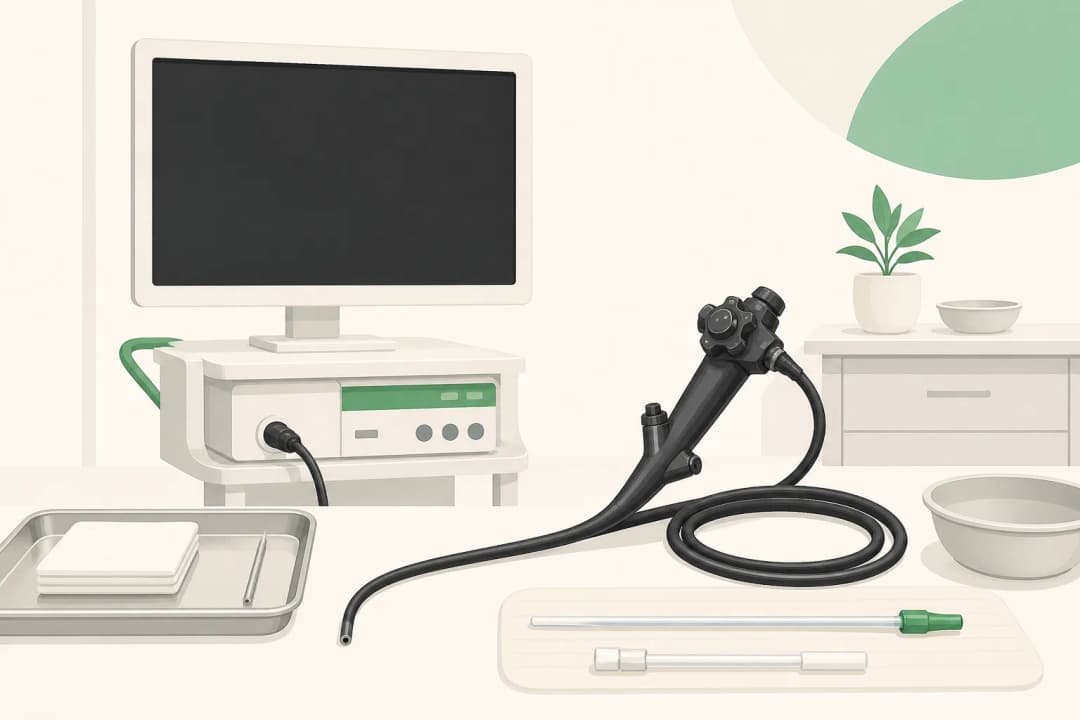
Rigid cystoscopy lets a clinician examine and sometimes treat the bladder through a telescope passed along the urethra.
This answers one question. It is not a diagnosis and does not replace an assessment by a licensed doctor.
At a glance
- Route
- Through the urethra into the bladder
- Possible purposes
- Examination, tissue sampling or treatment
- Results
- Visual findings may be immediate; laboratory findings can follow later
The short answer
Unlike a flexible examination commonly used for inspection, a rigid instrument can also allow a biopsy, removal of a small abnormal area or another planned procedure. Anaesthesia is usually needed, and the exact plan depends on why the bladder is being examined.
What the procedure involves
The instrument enters through the urethra, so no abdominal incision is required. Sterile fluid may be used to expand the bladder and improve the view. Tissue removed during the procedure can be sent to a laboratory, which means the final interpretation may arrive after the day of the examination.
A recommendation for cystoscopy does not itself establish a cancer diagnosis. It can investigate blood in the urine, urinary symptoms, an abnormal scan or a previously identified bladder condition.
Preparing and recovering
Follow the hospital's fasting and medicine instructions, especially guidance about blood-thinning medicines and diabetes treatment. Tell the team about allergies, pregnancy, recent urine infections and any previous difficulty with anaesthesia. Arrange transport and support at home if sedation or a general anaesthetic is planned.
Mild burning when passing urine, a frequent urge to urinate and a small amount of blood can occur afterward. Use the prescribed pain relief, drink according to the team's advice and check when normal activity, driving and work can resume.
When to contact the care team
Seek urgent medical advice if you cannot pass urine, bleeding is heavy or contains clots, pain is severe or worsening, or you develop fever, chills, vomiting or increasing weakness. These features can indicate urinary blockage, significant bleeding or infection and should not wait for a routine follow-up.
Questions to take to your appointment
Ask whether the procedure is for inspection, biopsy or treatment; which anaesthetic is planned; how medicines should be managed; and when results will be discussed. It is also useful to confirm who to call after discharge and which urinary changes the team expects in your individual case.
Questions people ask
Is rigid cystoscopy the same as flexible cystoscopy?
Both examine the bladder through the urethra, but a rigid scope is commonly used when anaesthesia or an additional procedure such as biopsy is needed.
Will I need someone to take me home?
You may need an escort if you receive sedation or general anaesthesia. Follow the discharge and transport instructions from your hospital.
Related
Related reading
Keep reading
Cancer care in the UAE
Hospitals & Medical Centers in Abu Dhabi
Most UAE cancer care is delivered inside hospital services rather than by standalone oncology clinics, so these are licensed hospitals & medical centers listed in Abu Dhabi. Confirm the specific cancer service exists before you travel, and know that asking for a second opinion is routine.
Ahalia Hospital Musaffah Building - Musaffah - Musaffah Industrial - Abu Dhabi - United Arab Emirates
Accepts: Daman, Thiqa, AXA, Cigna +26 more
Al Ruwais Industrial City - Abu Dhabi - United Arab Emirates
Accepts: Daman, Thiqa, AXA, Cigna +30 more
Abu Dhabi, Abu Dhabi
Accepts: Daman, Thiqa, AXA, Cigna +30 more
Second opinions are routine in cancer care and asking for one does not affect your treatment. How to arrange a second opinion in the UAE.
Ordered by verification status and how complete each clinic's public record is, then alphabetically. This is a directory listing, not a ranking — Zavis does not rate or recommend providers.
A factual listing drawn from the DHA, DOH and MOHAP licence registers. It is not a referral, an endorsement, or advice that any of these providers is right for you.
Medical disclaimer. This page is general health information, not medical advice, and it cannot diagnose you. Always consult a licensed healthcare provider about your own symptoms and treatment. In an emergency in the UAE, call 998 for an ambulance.