
Can antibiotics cause constipation?
Short answer
Antibiotics can sometimes coincide with constipation, although the medicine may not be the only cause.
This answers one question. It is not a diagnosis and does not replace an assessment by a licensed doctor.
At a glance
- Possible contributors
- Reduced fluids, dietary changes, inactivity, illness, and other medicines
- Medication advice
- Do not stop a prescribed antibiotic without guidance from the prescriber
- Urgent warning signs
- Severe abdominal pain, repeated vomiting, marked swelling, bleeding, or inability to pass gas
The short answer
Changes in appetite, fluid intake, food choices, activity, illness, and other medicines taken at the same time can all slow bowel movements. Antibiotics more often alter stool consistency in the other direction, so persistent constipation deserves a broader look.
Why it may happen
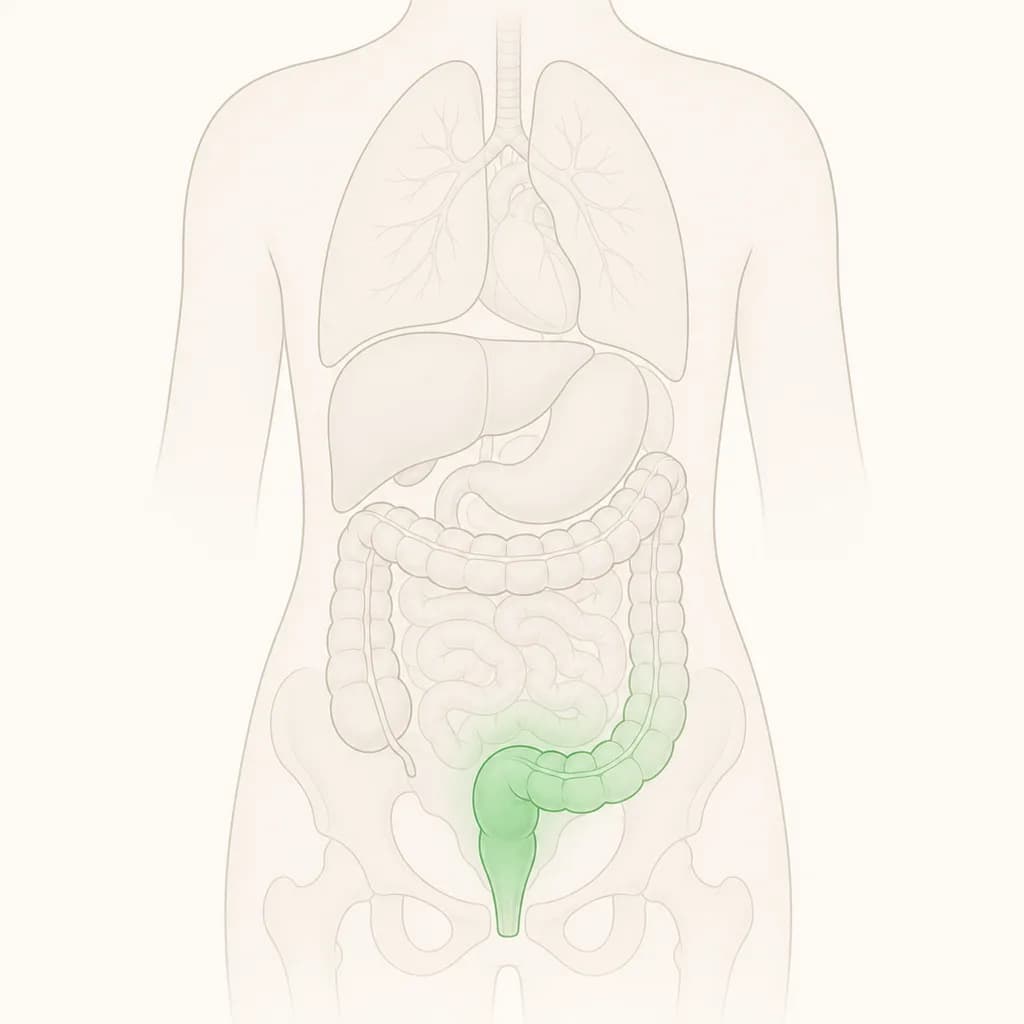
Constipation means stools may be harder, less frequent than normal for you, or difficult to pass. During an infection, people may drink less, eat less fibre, and spend more time resting. Dehydration can make stools drier. Pain medicines, iron supplements, and some antacids can also contribute, even when symptoms begin during an antibiotic course.
If the problem continues after the illness and treatment have finished, a clinician may consider other explanations such as irritable bowel syndrome or hypothyroidism rather than assuming the antibiotic is responsible.
What you can do
Keep taking the antibiotic exactly as prescribed unless the prescriber tells you to change or stop it. Drink fluids regularly if you have not been advised to restrict them. Add fibre gradually through vegetables, fruit, pulses, or whole grains, and keep gently active if you feel well enough. Increasing fibre without enough fluid may worsen bloating or hard stools.
Check the labels of other medicines and supplements, and ask a pharmacist whether any may be constipating. Before using a laxative, ask which type suits your symptoms and health conditions, especially if you are pregnant or have kidney, heart, or bowel disease.
When to seek medical care
Seek urgent medical assessment for severe or worsening abdominal pain, repeated vomiting, a markedly swollen abdomen, inability to pass stool or gas, black or bloody stool, fainting, confusion, or signs of significant dehydration such as very little urine. These features can signal a problem that should not be managed with diet or an over-the-counter laxative alone.
Contact your clinician if constipation is persistent, repeatedly returns, began after a new medicine, or comes with fever, unexplained weight loss, or a major change from your normal bowel pattern.
Questions for your clinician or pharmacist
Ask whether the antibiotic or another medicine is the more plausible contributor, whether your fluid and fibre intake should change, and whether a stool-softening or laxative medicine is appropriate. Mention when your last comfortable bowel movement occurred, whether you can pass gas, and any pain, vomiting, bloating, bleeding, or change in urination.
Find care
General Clinics & Polyclinics in Abu Dhabi
That answer is general. If you want it applied to your own case, these are licensed general clinics & polyclinics listed in Abu Dhabi.
27 Ar Ruwwad St - Shakhbout City - MSH4 - Abu Dhabi - United Arab Emirates
Accepts: Daman, Thiqa, Cigna, MetLife +20 more
Al Ruwais, Al Dhafrah
Accepts: Daman, Thiqa, AXA, Cigna +16 more
Al Bahyah - Al Bahyah Old - Abu Dhabi - United Arab Emirates
Accepts: Daman, Thiqa, Cigna, Allianz Care +18 more
Abu Dhabi
Accepts: Daman, Thiqa, AXA, Cigna +27 more
Ordered by verification status and how complete each clinic's public record is, then alphabetically. This is a directory listing, not a ranking — Zavis does not rate or recommend providers.
A factual listing drawn from the DHA, DOH and MOHAP licence registers. It is not a referral, an endorsement, or advice that any of these providers is right for you.
Questions people ask
Should I stop my antibiotic if I become constipated?
Do not stop or change a prescribed antibiotic on your own. Contact the prescriber or a pharmacist for advice, particularly if symptoms are troublesome or accompanied by abdominal pain, vomiting, swelling, or bleeding.
Can I take a laxative while using antibiotics?
Some laxatives may be suitable, but the right choice depends on your symptoms, other medicines, and health conditions. A pharmacist or clinician can check for interactions and warning signs before you start one.
Could something other than the antibiotic be causing constipation?
Yes. Illness-related dehydration, reduced food intake, less activity, pain medicines, iron, some antacids, irritable bowel syndrome, and hypothyroidism are among the possibilities a clinician may consider.
Related
Related reading
Keep reading
Medical disclaimer. This page is general health information, not medical advice, and it cannot diagnose you. Always consult a licensed healthcare provider about your own symptoms and treatment. In an emergency in the UAE, call 998 for an ambulance.