
What should you know about allergies in pets?
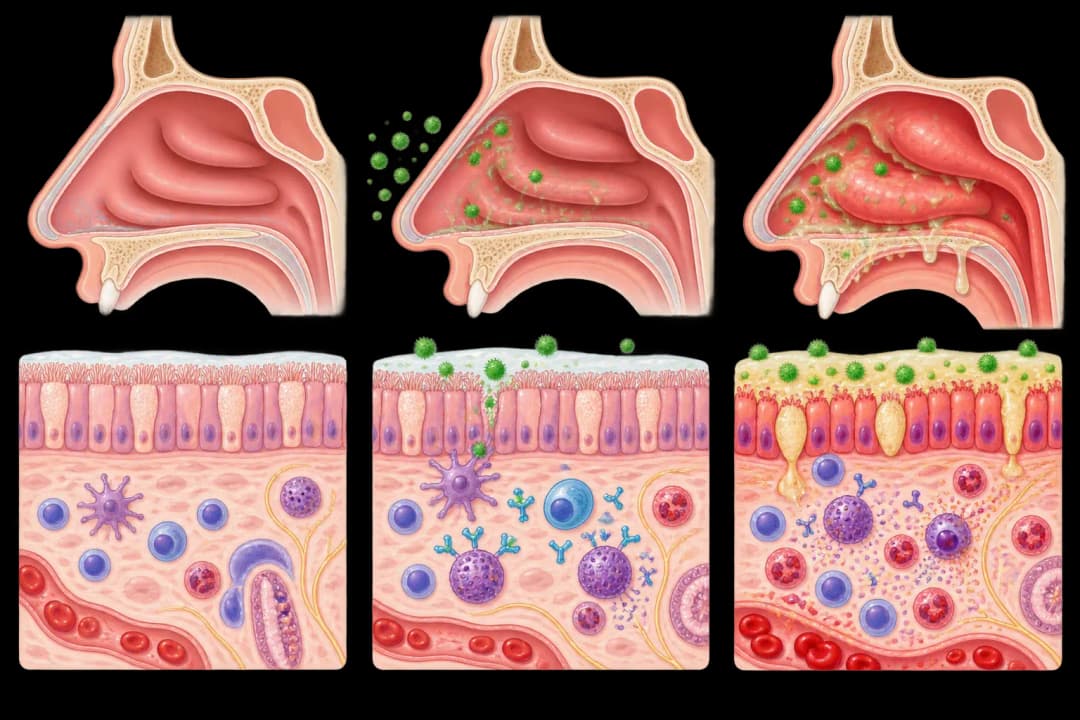
Short answer
Pet allergies happen when the immune system reacts to proteins from an animal's skin flakes, saliva or urine, causing symptoms such as sneezing, a runny nose and itchy eyes.
This answers one question. It is not a diagnosis and does not replace an assessment by a licensed doctor.
At a glance
- Common triggers
- Proteins from skin flakes, saliva and urine
- Often affected
- Nose, eyes and sometimes the lower airways
What pet allergy can involve
The trigger is not usually the fur itself. Allergens can cling to fur, clothing, furniture and bedding, so symptoms may continue after an animal has left a room. A person may notice symptoms around cats, dogs or another animal, and the pattern can be different from one animal to another.
A pet allergy may affect the nose and eyes, and some people also develop cough, wheezing or worsening asthma symptoms. Sneezing, runny nose and itchy eyes are common presentations of pet allergy, but these symptoms can also have other causes.
Steps that may help
Keep the animal out of the bedroom and wash hands after touching it. Regularly clean soft furnishings, use a vacuum with effective filtration if available, and wash bedding. Ask another household member to groom the pet and clean its sleeping area when possible.
If symptoms continue, a clinician can review the pattern and discuss Allergy Testing or Allergy Medication. Do not start, stop or give a medicine to a child without checking that it is suitable and following the label or medical advice.
When to seek care
Arrange a medical review if symptoms keep returning, disturb sleep, limit daily activities or are difficult to control. Seek urgent help for severe breathing difficulty, swelling of the lips or tongue, faintness, or rapidly worsening symptoms after animal contact. These can signal a serious allergic reaction.
Questions for your doctor
Ask whether your symptoms fit pet allergy, whether testing could identify a trigger, how to reduce exposure without giving up a pet, and which treatment is appropriate if you have asthma, are pregnant or take other medicines.
Find care
General Clinics & Polyclinics in Abu Dhabi
That answer is general. If you want it applied to your own case, these are licensed general clinics & polyclinics listed in Abu Dhabi.
27 Ar Ruwwad St - Shakhbout City - MSH4 - Abu Dhabi - United Arab Emirates
Accepts: Daman, Thiqa, Cigna, MetLife +20 more
Al Ruwais, Al Dhafrah
Accepts: Daman, Thiqa, AXA, Cigna +16 more
Al Bahyah - Al Bahyah Old - Abu Dhabi - United Arab Emirates
Accepts: Daman, Thiqa, Cigna, Allianz Care +18 more
Abu Dhabi
Accepts: Daman, Thiqa, AXA, Cigna +27 more
Ordered by verification status and how complete each clinic's public record is, then alphabetically. This is a directory listing, not a ranking — Zavis does not rate or recommend providers.
A factual listing drawn from the DHA, DOH and MOHAP licence registers. It is not a referral, an endorsement, or advice that any of these providers is right for you.
Questions people ask
Is pet allergy caused by fur?
The immune response is usually to animal proteins carried on fur, skin flakes and surfaces rather than to fur itself.
Can symptoms occur after leaving the animal's home?
Yes. Allergens can remain on clothing, furniture and other surfaces after the animal is no longer nearby.
Related
Related reading
Keep reading
Medical disclaimer. This page is general health information, not medical advice, and it cannot diagnose you. Always consult a licensed healthcare provider about your own symptoms and treatment. In an emergency in the UAE, call 998 for an ambulance.