
Nexplanon: what to know about the contraceptive implant
Short answer
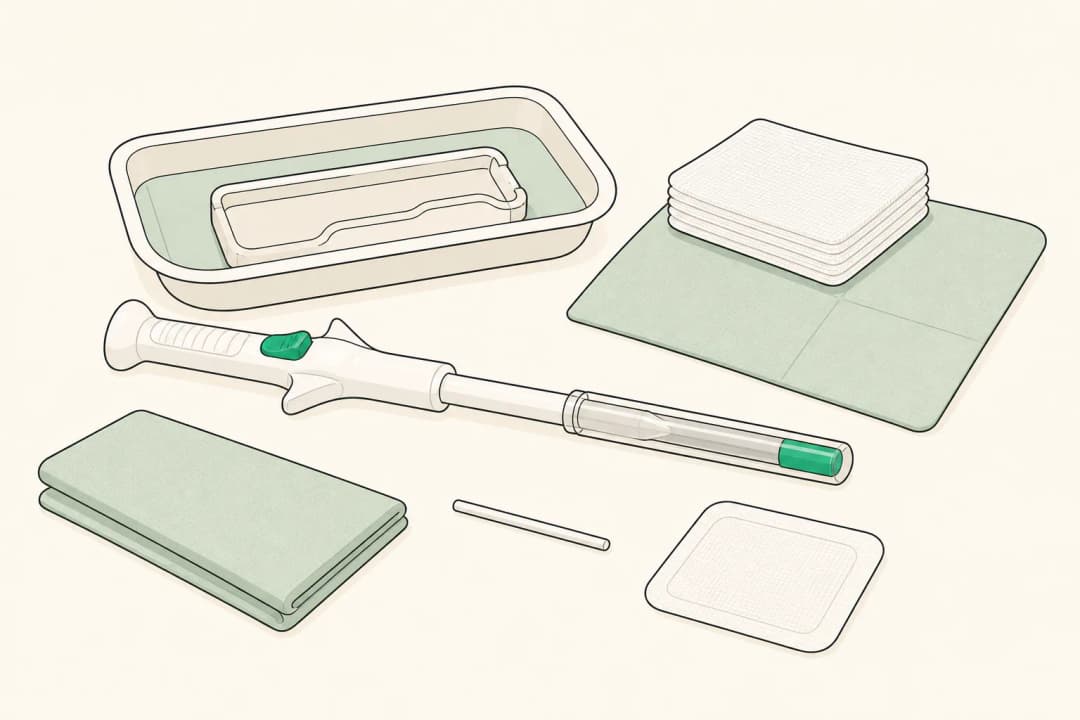
Nexplanon is a small contraceptive implant that releases etonogestrel from a rod placed under the skin of the upper arm.
This answers one question. It is not a diagnosis and does not replace an assessment by a licensed doctor.
At a glance
- Medicine
- Etonogestrel, a progestogen
- Location
- Under the skin of the upper arm
- Removal
- Performed by a trained clinician
The short answer
It prevents pregnancy mainly by stopping ovulation and also thickens cervical mucus, making it harder for sperm to reach an egg. A trained clinician inserts and removes it during a minor procedure.
How the implant may affect you
Bleeding patterns can change after insertion. Periods may become irregular, lighter, heavier, longer, or stop; the pattern can also change over time. Other possible effects include headache, acne, breast tenderness, or mood changes. These symptoms have several possible causes, so persistent or troubling changes deserve a clinical review.
The implant does not protect against sexually transmitted infections. Condoms can reduce infection risk and may be used alongside it. Medicines and herbal products can sometimes reduce hormonal contraceptive effectiveness, so mention everything you take to the prescribing clinician or pharmacist.
Before and after insertion
Before placement, tell the clinician about unexplained vaginal bleeding, liver problems, breast cancer, allergies, pregnancy concerns, and all medicines or supplements. They will discuss whether backup contraception is needed based on when the implant is inserted and what contraception you were using beforehand.
After insertion, follow the wound-care instructions and check that you can feel the rod once tenderness settles. Do not try to move or remove it yourself. Arrange a review if you cannot feel it, its shape seems different, it appears to have moved, or side effects are difficult to manage.
When to seek medical care
Seek prompt medical advice for increasing redness, warmth, swelling, discharge, or pain at the insertion site; very heavy vaginal bleeding; new severe headaches; yellowing of the skin or eyes; or a suspected pregnancy. Get urgent help for chest pain, sudden breathlessness, coughing blood, collapse, or swelling and pain in one leg.
Useful questions for your clinician
Ask when contraceptive protection begins in your situation, whether you need temporary backup contraception, how to look after the insertion site, and which bleeding changes should trigger review. Also confirm whether any current medicine interacts with etonogestrel and when the implant should be replaced or removed.
Find care
General Clinics & Polyclinics in Abu Dhabi
That answer is general. If you want it applied to your own case, these are licensed general clinics & polyclinics listed in Abu Dhabi.
27 Ar Ruwwad St - Shakhbout City - MSH4 - Abu Dhabi - United Arab Emirates
Accepts: Daman, Thiqa, Cigna, MetLife +20 more
Al Ruwais, Al Dhafrah
Accepts: Daman, Thiqa, AXA, Cigna +16 more
Al Bahyah - Al Bahyah Old - Abu Dhabi - United Arab Emirates
Accepts: Daman, Thiqa, Cigna, Allianz Care +18 more
Abu Dhabi
Accepts: Daman, Thiqa, AXA, Cigna +27 more
Ordered by verification status and how complete each clinic's public record is, then alphabetically. This is a directory listing, not a ranking — Zavis does not rate or recommend providers.
A factual listing drawn from the DHA, DOH and MOHAP licence registers. It is not a referral, an endorsement, or advice that any of these providers is right for you.
Questions people ask
Can Nexplanon change my periods?
Yes. Bleeding may become irregular, lighter, heavier, longer, or absent. Seek advice if bleeding is very heavy, persistent, or worrying.
Can I remove the implant myself?
No. A trained clinician should locate and remove it using the appropriate sterile procedure.
Does Nexplanon protect against sexually transmitted infections?
No. Barrier protection such as condoms is still needed to reduce the risk of sexually transmitted infections.
Related
Related reading
Keep reading
Medical disclaimer. This page is general health information, not medical advice, and it cannot diagnose you. Always consult a licensed healthcare provider about your own symptoms and treatment. In an emergency in the UAE, call 998 for an ambulance.