
Acute hyperthyroidism: symptoms and urgent warning signs
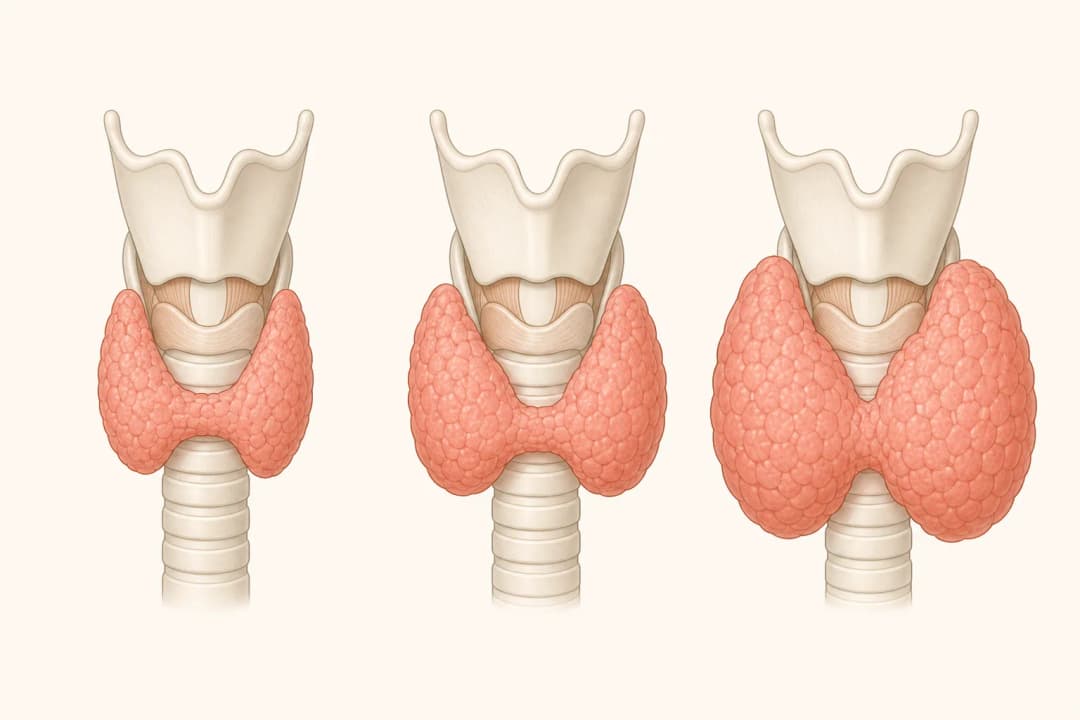
Short answer
Acute hyperthyroidism is a rapid worsening of excess thyroid activity that needs prompt assessment and can occasionally become an emergency.
This answers one question. It is not a diagnosis and does not replace an assessment by a licensed doctor.
At a glance
- Possible features
- Palpitations, tremor, sweating, heat intolerance, diarrhoea, anxiety, or poor sleep
- Helpful preparation
- Record symptoms, pulse, temperature, missed doses, and recent illness
- Emergency pattern
- Rapid deterioration with fever, confusion, collapse, or serious heart or breathing symptoms
The short answer
An overactive thyroid accelerates many body processes. A flare may bring a racing or irregular heartbeat, shaking, sweating, heat intolerance, anxiety, diarrhoea, weakness, poor sleep, or unexplained weight loss. Symptoms overlap with other illnesses, so examination and blood tests are needed to establish the cause.
How a flare develops
Hyperthyroidism may worsen after missed antithyroid medicine, infection, surgery, childbirth, or exposure to a large iodine load in susceptible people. The condition commonly presents with palpitations and heat intolerance; excessive sweating, frequent bowel movements, irritability, and difficulty sleeping may occur alongside them.
A severe, sudden escalation can affect temperature control, heart rhythm, circulation, and brain function. This critical state is sometimes called thyroid storm. It is diagnosed from the whole clinical picture, not from a single symptom or home measurement.
Actions to take
Contact a clinician promptly if known hyperthyroidism suddenly feels worse or if several compatible symptoms appear together. Rest in a cool setting, drink fluids if you can do so safely, and note your pulse, temperature, medicines, missed doses, and recent illness. Avoid strenuous exercise, caffeine, stimulant products, and decongestants while awaiting advice.
Continue prescribed thyroid medicine as directed unless a clinician tells you otherwise. Do not take extra doses or use another person's heart-rate medicine. If you develop fever or a severe sore throat while taking an antithyroid drug, seek urgent medical advice because a blood test may be required before another dose.
When to get urgent help
Call emergency services for a very fast or irregular heartbeat with chest pain, severe breathlessness, fainting, marked weakness, confusion, severe agitation, seizure, or collapse. High fever with repeated vomiting or diarrhoea and rapidly worsening thyroid symptoms also requires immediate hospital assessment. Do not drive yourself.
Arrange same-day advice for persistent palpitations, inability to keep fluids or medicines down, new eye pain or vision change, or a clear deterioration during infection. Early evaluation helps address dehydration, heart strain, and the trigger while thyroid treatment is reviewed.
Questions for your appointment
Ask which blood tests will clarify thyroid activity, whether an infection or medicine triggered the change, how to handle a missed dose, and when your levels should be checked again. Confirm which cold remedies, supplements, or iodine-containing products to avoid and which symptoms require emergency care.
Find care
General Clinics & Polyclinics in Abu Dhabi
That answer is general. If you want it applied to your own case, these are licensed general clinics & polyclinics listed in Abu Dhabi.
27 Ar Ruwwad St - Shakhbout City - MSH4 - Abu Dhabi - United Arab Emirates
Accepts: Daman, Thiqa, Cigna, MetLife +20 more
Al Ruwais, Al Dhafrah
Accepts: Daman, Thiqa, AXA, Cigna +16 more
Al Bahyah - Al Bahyah Old - Abu Dhabi - United Arab Emirates
Accepts: Daman, Thiqa, Cigna, Allianz Care +18 more
Abu Dhabi
Accepts: Daman, Thiqa, AXA, Cigna +27 more
Ordered by verification status and how complete each clinic's public record is, then alphabetically. This is a directory listing, not a ranking — Zavis does not rate or recommend providers.
A factual listing drawn from the DHA, DOH and MOHAP licence registers. It is not a referral, an endorsement, or advice that any of these providers is right for you.
Questions people ask
Can anxiety and palpitations be caused by hyperthyroidism?
Hyperthyroidism can present with anxiety and palpitations because excess thyroid hormone increases nervous-system and heart activity. Those symptoms also have other causes, so testing is needed.
What is thyroid storm?
Thyroid storm is a rare, life-threatening escalation of hyperthyroidism affecting the heart, temperature, circulation, and brain. Suspected symptoms require emergency hospital care.
Should I stop antithyroid medicine if I feel unwell?
Do not stop it routinely. However, fever or a severe sore throat while taking an antithyroid drug needs urgent medical advice because your care team may request a blood count before further doses.
Related
Related reading
Keep reading
Medical disclaimer. This page is general health information, not medical advice, and it cannot diagnose you. Always consult a licensed healthcare provider about your own symptoms and treatment. In an emergency in the UAE, call 998 for an ambulance.