
Constipation lasting 37 weeks: what to know
Short answer
Constipation lasting 37 weeks warrants a medical assessment, even if diet changes or laxatives offer some relief.
This answers one question. It is not a diagnosis and does not replace an assessment by a licensed doctor.
At a glance
- Next step
- Arrange a primary-care assessment for this prolonged change in bowel habit.
- Bring
- A symptom diary and full medicine and supplement list.
- Urgent signs
- Severe pain, vomiting, marked swelling, inability to pass gas, black stool, or substantial bleeding.
The short answer
Such a long change in bowel habit deserves a review of stool pattern, medicines, food and fluid intake, activity, and other symptoms. Treatment can then address the likely cause instead of relying indefinitely on the same remedy.
What a long-lasting change can mean
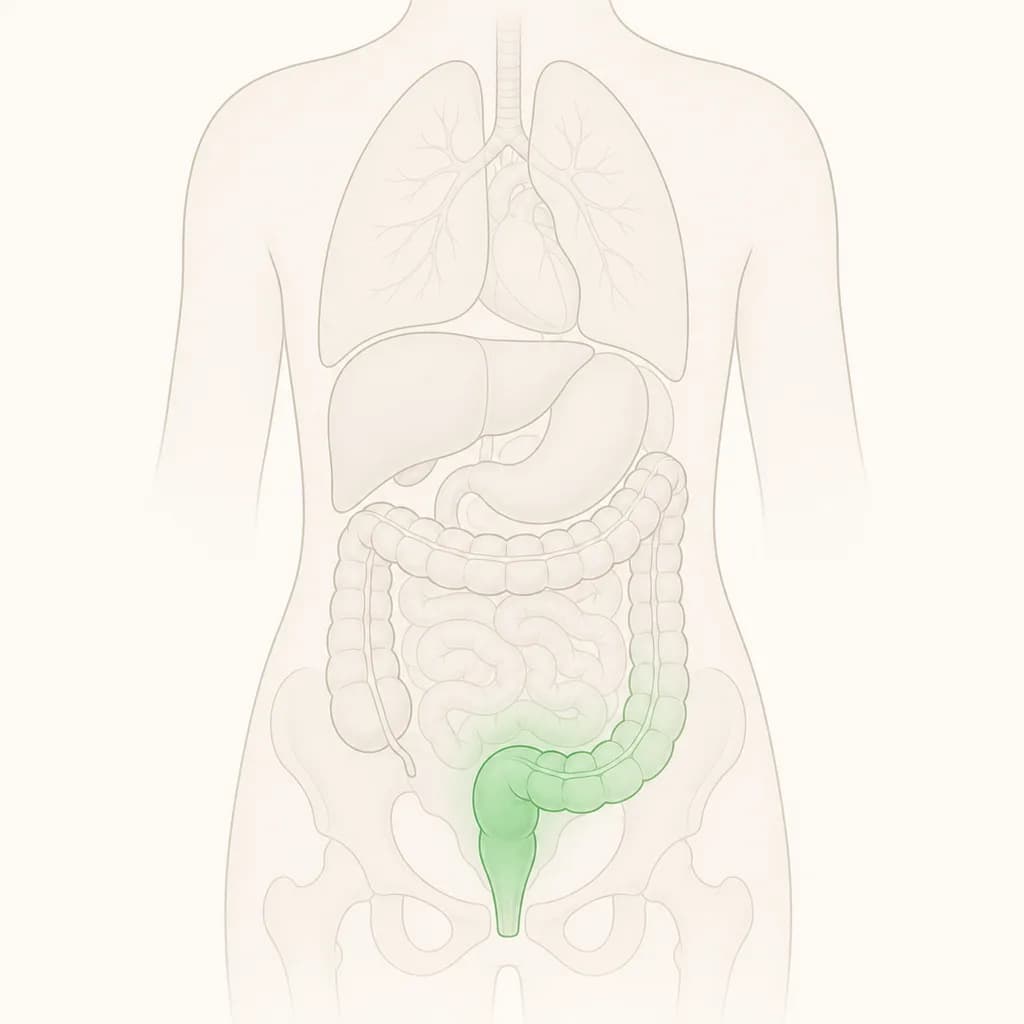
Constipation may involve hard or infrequent stools, straining, a sense of incomplete emptying, or needing manual help to pass stool. A clinician will want to know what changed from your normal pattern and whether symptoms began after a new medicine, illness, diet change, reduced mobility, or pregnancy.
Low fluid intake can contribute, while conditions such as hypothyroidism or irritable bowel syndrome can include constipation among their presentations. These possibilities cannot be separated by duration alone. An examination and, when indicated, targeted tests help guide the next step.
Practical steps while arranging care
Book a primary-care appointment and keep a brief record of bowel movements, stool consistency, pain, bloating, bleeding, foods, fluids, and products already tried. Bring a complete medicine and supplement list because some pain medicines, iron products, and other treatments can slow the bowel. Do not stop prescribed medicine without advice.
Unless a clinician has restricted your fluids or fibre, increase them gradually, move regularly within your ability, and allow unhurried toilet time after meals. A footstool may make passing stool easier. Ask a pharmacist or clinician which laxative type fits your symptoms and health conditions; repeated or combined use without guidance can cause problems.
Warning signs that need prompt attention
Seek urgent medical care for severe or steadily worsening abdominal pain, repeated vomiting, a swollen abdomen with inability to pass stool or gas, black stools, substantial rectal bleeding, fainting, or marked weakness. These features can signal obstruction, bleeding, or another problem needing prompt assessment.
Arrange an earlier clinic review if constipation comes with unexplained weight loss, fever, persistent abdominal discomfort, a new narrow stool pattern, blood mixed through the stool, or alternating constipation and diarrhoea. Mention any family history of bowel disease and any previous abdominal surgery.
Useful questions for your appointment
Ask whether a medicine or health condition could explain the change, whether an examination or tests are appropriate, which fibre or laxative approach is suitable, and how to adjust treatment if stools become loose or painful. Also agree on which new symptoms should trigger urgent care.
Find care
General Clinics & Polyclinics in Abu Dhabi
That answer is general. If you want it applied to your own case, these are licensed general clinics & polyclinics listed in Abu Dhabi.
27 Ar Ruwwad St - Shakhbout City - MSH4 - Abu Dhabi - United Arab Emirates
Accepts: Daman, Thiqa, Cigna, MetLife +20 more
Al Ruwais, Al Dhafrah
Accepts: Daman, Thiqa, AXA, Cigna +16 more
Al Bahyah - Al Bahyah Old - Abu Dhabi - United Arab Emirates
Accepts: Daman, Thiqa, Cigna, Allianz Care +18 more
Abu Dhabi
Accepts: Daman, Thiqa, AXA, Cigna +27 more
Ordered by verification status and how complete each clinic's public record is, then alphabetically. This is a directory listing, not a ranking — Zavis does not rate or recommend providers.
A factual listing drawn from the DHA, DOH and MOHAP licence registers. It is not a referral, an endorsement, or advice that any of these providers is right for you.
Questions people ask
Can I keep taking the same laxative?
Check the product, dose, duration, and your other health conditions with a pharmacist or clinician. Different laxatives work in different ways, and persistent symptoms may need a different plan or assessment.
Does drinking more water fix constipation?
Adequate fluid can help when intake is low, particularly alongside gradual dietary fibre, but it may not resolve constipation caused by medicines, pelvic-floor difficulty, or an underlying condition. Follow any fluid restriction already given to you.
Related
Related reading
Keep reading
Medical disclaimer. This page is general health information, not medical advice, and it cannot diagnose you. Always consult a licensed healthcare provider about your own symptoms and treatment. In an emergency in the UAE, call 998 for an ambulance.