
Spinal Fusion
Updated
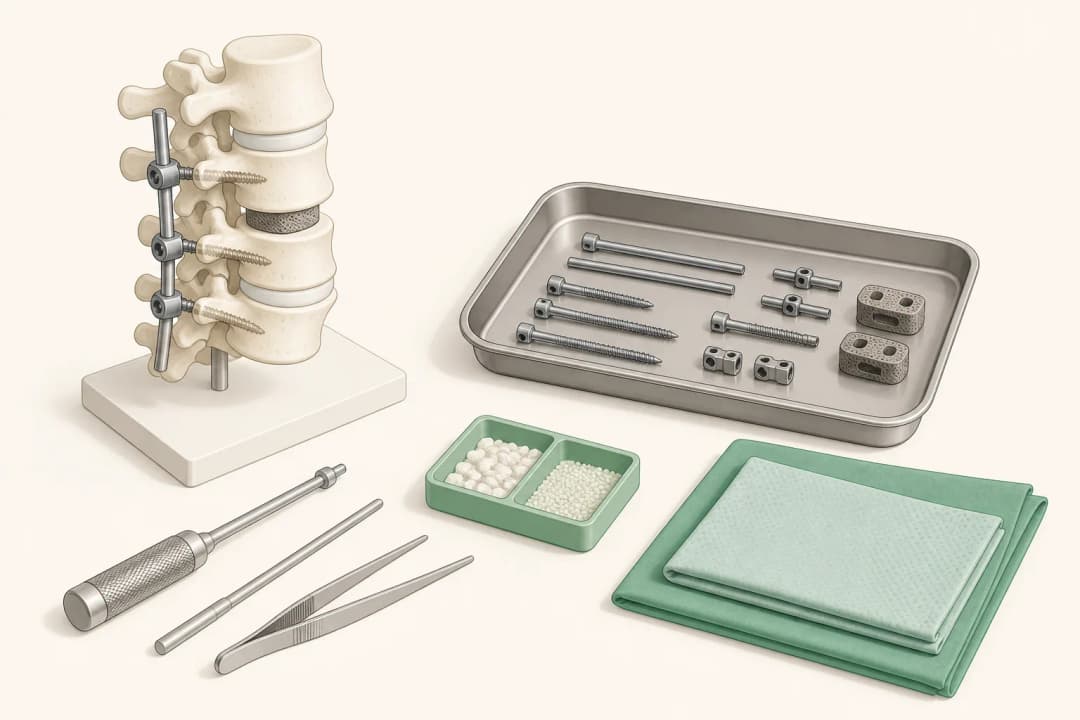
At a glance
- Main aim
- Stabilise a selected spinal segment and address an appropriate pain or nerve problem
- Key healing process
- Bone grows across the planned fusion area over time
- After surgery
- Walking, restrictions, follow-up, and rehabilitation are staged
Find care
General Clinics & Polyclinics in Dubai
Licensed general clinics & polyclinics listed in Dubai. Appearing here means a provider holds a UAE licence in this category — not that it offers spinal fusion, which is worth confirming with the clinic before you book.
The Court Residence, 39B Street, Jumeirah 1, Dubai
Accepts: Tabby, Tamara
Elite Business Bay Residence - Shop 03 & 04, 34 Marasi Dr - Business Bay - Dubai - United Arab Emirates
Accepts: Tabby
Airport View Building, Al Garhoud, Dubai
Accepts: Daman, Thiqa, AXA, Cigna +25 more
IBIS Building, 5th Floor, Unit 5003, Deira, Dubai
Accepts: AXA, Cigna, MetLife, Allianz Care +18 more
- Aarna Elite Medical CenterVerified
Madeira Building, Shop 1 & 2, Al Jadaf, Dubai, UAE
- 515 Medical & Training ClinicVerified
Villa 991, Al Wasel Road, next to J3 Mall, Al Manara, Dubai, United Arab Emirates
Accepts: Thiqa, AXA, Cigna, Allianz Care +12 more
Ordered by verification status and how complete each clinic's public record is, then alphabetically. This is a directory listing, not a ranking — Zavis does not rate or recommend providers.
A factual listing drawn from the UAE health regulators' public licence registers. It is not a referral, an endorsement, or advice that any of these providers is right for you.
What is spinal fusion?
Spinal fusion joins selected spinal bones so a painful or unstable segment moves less while it heals and stabilises. The surgeon removes or prepares tissue around the disc or joints, places bone graft material, and may use screws, rods, or a cage to hold the alignment. The approach depends on the spinal level, symptoms, bone quality, and the reason for surgery. Fusion does not repair every source of back or neck pain, so the treatment plan starts with a careful diagnosis.
How fast will I feel a difference?
Some people notice relief from the movement or nerve pressure addressed during surgery early in recovery, while soreness from the operation is expected at first. Numbness or weakness may improve more slowly, and nerves sometimes need extended time to recover. The fusion itself develops gradually, so early comfort does not mean the bone is fully joined. Follow-up examinations and imaging help track healing and guide activity.
What are the side effects?
Expected effects include wound soreness, stiffness, tiredness, and temporary limits on lifting or bending. Potential complications include infection, bleeding, blood clots, nerve injury, spinal-fluid leakage, problems with hardware, failure of the bones to join, and symptoms returning or developing at another level. Risk varies with the spinal region, surgical approach, bone health, smoking, general health, and the complexity of the operation. New leg weakness, loss of bladder or bowel control, fever, or severe wound drainage needs urgent medical advice.
How long will I be on it?
Spinal fusion is a one-time operation, but recovery and monitoring continue after discharge. Walking is often encouraged early, while lifting, driving, bending, and work duties are reintroduced in stages. The length of restrictions depends on the level fused, the operation, symptoms, and evidence of healing. Physiotherapy may be added when the surgeon considers the fusion ready for progressive conditioning. Do not stop follow-up simply because pain has improved.
Key facts
Fusion changes movement at the treated segment rather than making the whole spine immobile. The goal may be to improve stability, correct alignment, or protect a nerve after decompression. Bone healing can be affected by nicotine, poor nutrition, some medicines, and medical conditions, so share your full history before surgery.
Who may need it?
Fusion may be considered for selected people with painful instability, deformity, a fracture, or nerve compression associated with a damaged spinal segment when non-operative care has not provided enough relief. Conditions discussed in this context include [Degenerative Disc Disease](/conditions/degenerative-disc-disease/), [Spinal Stenosis](/conditions/spinal-stenosis/), [Spondylolisthesis](/conditions/spondylolisthesis/), and [Spondylolysis](/conditions/spondylolysis/). The diagnosis, symptoms, examination, and imaging must fit before surgery is proposed.
How the procedure is performed
The team confirms the spinal level, reviews imaging, checks medicines and medical conditions, and explains movement restrictions. During surgery, the surgeon reaches the spine through the selected approach, relieves pressure when needed, prepares the fusion surfaces, and places graft and stabilising hardware. A [Bone Graft Substitute](/materials/bone-graft-substitute/), [Pedicle Screw](/materials/pedicle-screw/), or [PEEK Spinal Cage](/materials/peek-spinal-cage/) may be used when appropriate. The wound is closed and recovery monitoring begins.
Recovery timeline
Early recovery centres on walking safely, protecting the incision, managing pain, and watching for nerve changes. Activity is gradually increased as wound healing and strength improve. A structured [Post-Operative Rehabilitation](/treatments/physiotherapy-and-rehabilitation/post-operative-rehabilitation/) plan may help with posture, movement habits, and conditioning. Bone fusion takes longer than skin healing, so restrictions can continue after you feel more comfortable.
Risks and safety checks
Ask how to prepare for medicines, bathing, sleep, and transport home. Avoid nicotine if your surgical team advises this because it can interfere with bone healing. Seek urgent help for new weakness, worsening numbness, difficulty walking, loss of bladder or bowel control, chest pain, breathing difficulty, or signs of infection.
Alternatives to spinal fusion
Depending on the diagnosis, alternatives may include targeted physiotherapy, activity changes, medicines, injections, or decompression without fusion. In selected cases, [Artificial Disc Replacement](/treatments/spine-care/artificial-disc-replacement/) is discussed when preserving movement is suitable. The choice depends on the pain source, instability, alignment, spinal level, and overall health.
Finding the right provider
Choose a spine specialist who can explain which symptoms match the imaging and why fusion is recommended. Ask about the exact levels, the need for decompression, the hardware, expected restrictions, bone-healing checks, and rehabilitation. Bring prior scans, reports, medicine details, and a clear description of walking, sleep, work, and nerve symptoms.
Questions people ask
Does spinal fusion remove all back pain?
No. It targets a specific painful or unstable spinal segment, and other tissues or levels may still contribute to symptoms.
Will I need physiotherapy after fusion?
Many people benefit from guided rehabilitation, introduced when the surgeon confirms that movement and loading are appropriate.
Can I bend after spinal fusion?
Bending restrictions vary by operation and healing progress; your team will specify when and how to resume it.
Related
Related reading
Keep reading
Medical disclaimer. This page is general health information, not medical advice, and it cannot diagnose you. Always consult a licensed healthcare provider about your own symptoms and treatment. In an emergency in the UAE, call 998 for an ambulance.