
Cubital Tunnel Release: Surgery, Recovery and Risks
At a glance
- Nerve treated
- Ulnar nerve at the inner elbow
- Also known as
- Ulnar nerve decompression or transposition
- Main aim
- Reduce pressure and traction on the nerve
Find care
Hospitals & Medical Centers in Abu Dhabi
Licensed hospitals & medical centers listed in Abu Dhabi. Appearing here means a provider holds a UAE licence in this category — not that it offers cubital tunnel release: surgery, recovery and risks, which is worth confirming with the clinic before you book.
Ahalia Hospital Musaffah Building - Musaffah - Musaffah Industrial - Abu Dhabi - United Arab Emirates
Accepts: Daman, Thiqa, AXA, Cigna +26 more
Al Ruwais Industrial City - Abu Dhabi - United Arab Emirates
Accepts: Daman, Thiqa, AXA, Cigna +30 more
Abu Dhabi, Abu Dhabi
Accepts: Daman, Thiqa, AXA, Cigna +30 more
Plot No. 11-12, SE 44 Khalifa City A - مدينة خليفة - جنوب شرق 44 - أبو ظبي - United Arab Emirates
Accepts: Daman, Thiqa, AXA, Cigna +26 more
7 Al Kawadir 2 St - Khalifa City - SE44 - Abu Dhabi - United Arab Emirates
Accepts: Daman, Thiqa, AXA, Cigna +25 more
Mohammed Bin Khalif Street 669, Al Mussala, Abu Dhabi, Abu Dhai - 35453 - 669 Mohammed Bin Khalifa St - Al Manhal - W15 02 - Abu Dhabi - United Arab Emirates
Accepts: Daman, Thiqa, AXA, Cigna +22 more
Ordered by verification status and how complete each clinic's public record is, then alphabetically. This is a directory listing, not a ranking — Zavis does not rate or recommend providers.
A factual listing drawn from the DHA, DOH and MOHAP licence registers. It is not a referral, an endorsement, or advice that any of these providers is right for you.
What is cubital tunnel release?
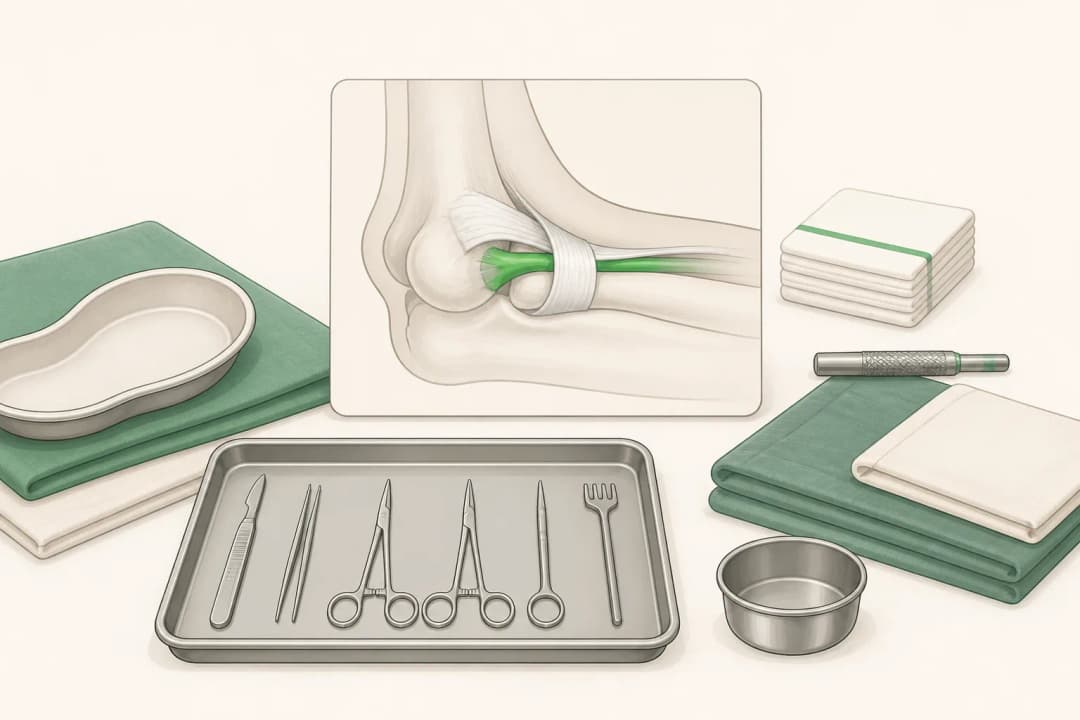
Cubital tunnel release is surgery that relieves pressure on the ulnar nerve as it passes behind the inner elbow.
The surgeon opens the tight tissue forming the tunnel so the nerve has more room. If the nerve slips out of its groove or remains exposed to bending forces, it may be moved in front of the elbow, a procedure called transposition. The choice depends on examination findings, nerve testing, prior injury and the nerve’s position during movement.
What does recovery actually involve?
The elbow and inner forearm are commonly protected with a dressing, and sometimes a splint, immediately after surgery. Keep the wound dry as instructed, elevate the hand if swelling develops, and move the fingers regularly unless told otherwise. Avoid leaning on the elbow and follow the surgeon’s limits on lifting and bending.
A gradual return to daily tasks follows wound review and improvement in comfort. Numbness or tingling may settle slowly because a compressed nerve needs time to recover. Hand therapy can help restore movement, reduce stiffness and guide safe strengthening when healing allows.
What can go wrong, and how often?
Risks differ with the surgical method and your health. They include infection, bleeding, wound-healing trouble, scar tenderness, stiffness, persistent symptoms and irritation or injury to the ulnar nerve. Symptoms can also recur if the nerve remains vulnerable to pressure or traction.
Seek prompt clinical advice for spreading redness, drainage, fever, severe swelling, loss of finger movement or new weakness. Report worsening numbness rather than waiting for a routine appointment. Smoking, diabetes and some medicines can affect healing, so discuss them before surgery.
Will it fix the problem, and for how long?
The operation aims to create lasting space for the ulnar nerve, but it cannot reverse every change that developed before decompression. Pain may improve before sensation or hand strength, and longstanding nerve dysfunction may recover incompletely. Ongoing pressure from work, sleep position or elbow habits can still irritate the nerve.
Your surgeon can explain what improvement is realistic from the examination and nerve studies, then set milestones for wound healing, sensation and strength. Persistent or returning symptoms need reassessment rather than automatic repeat surgery.
Key facts at a glance
Cubital tunnel release targets the ulnar nerve at the elbow, not the wrist. The operation may be decompression alone or decompression with transposition. Diagnosis commonly combines symptoms, examination and, when useful, nerve-conduction testing.
Who might need surgery?
Surgery may be discussed when ulnar-nerve symptoms persist despite changes such as avoiding elbow pressure, night positioning, activity modification or therapy. It may also be considered when examination or nerve testing shows significant compression, weakness or muscle wasting. Read more about [Cubital Tunnel Syndrome](/conditions/cubital-tunnel-syndrome/).
What happens during surgery?
The arm is positioned and the skin is prepared. Through an incision at the inner elbow, the surgeon identifies and protects the ulnar nerve, releases constricting tissue and checks that the nerve is stable during elbow movement. If needed, the nerve is transposed to a new position. The incision is closed and covered with a dressing, followed by discharge and written aftercare instructions when appropriate.
Recovery timeline
Early recovery focuses on wound care, swelling control and finger movement. The elbow may remain restricted while the incision heals. Light tasks usually return before forceful gripping, repetitive bending or contact activities. Sensory recovery can continue after the skin has healed, so progress is judged over follow-up visits rather than by the wound alone.
Preparing for safer recovery
Ask which medicines to pause or continue, how to protect the dressing and when driving or work may resume. Arrange help for tasks requiring heavy lifting during the early period. Do not rest the elbow on hard surfaces, and contact the surgical team if the hand becomes markedly pale, cold, weak or increasingly numb.
Alternatives to surgery
Depending on severity, options can include changing elbow and sleep positions, padding the elbow, activity modification, hand therapy and treatment of contributing neck or shoulder problems. These measures may be unsuitable when nerve compression has caused progressive weakness. [Cubital Tunnel Syndrome](/conditions/cubital-tunnel-syndrome/) explains the symptoms that lead to treatment decisions.
Finding the right provider
Seek an orthopaedic hand surgeon, peripheral-nerve surgeon or neurosurgeon experienced with ulnar-nerve procedures. Ask whether decompression or transposition is proposed, how nerve testing affects the plan, what restrictions apply after surgery and how persistent weakness will be monitored.
Questions people ask
Will I be awake during cubital tunnel release?
The anaesthesia plan varies. Your surgical team will explain whether the operation uses local, regional or general anaesthesia and how the arm will be kept comfortable.
When can I use my hand normally?
Light use returns before heavy gripping and repetitive elbow movement. Follow the surgeon’s wound and lifting restrictions, because the schedule depends on the operation and healing.
Why can tingling continue after surgery?
The nerve may need time to recover after pressure has been relieved. Persistent worsening symptoms, new weakness or loss of movement should be reported promptly.
Related
Related reading
Keep reading
Medical disclaimer. This page is general health information, not medical advice, and it cannot diagnose you. Always consult a licensed healthcare provider about your own symptoms and treatment. In an emergency in the UAE, call 998 for an ambulance.