
Tubal Dye Test (HSG): What to Expect
At a glance
- Also called
- HSG or hysterosalpingogram
- Main purpose
- Assess the uterine cavity and tubal passage
- Imaging
- X-ray with contrast dye
Find care
Radiology & Imaging in Dubai
Licensed radiology & imaging listed in Dubai. Appearing here means a provider holds a UAE licence in this category — not that it offers tubal dye test (HSG): what to expect, which is worth confirming with the clinic before you book.
First Gulf Real Estate Building, Amman Street, AL NAHDA FIRST, Dubai
Accepts: Daman, Thiqa, AXA, Cigna +28 more
LEADER, 3 Street 99, DUBAI INVESTMENT PARK FIRST, Dubai
Accepts: Daman, Thiqa, AXA, Cigna +29 more
villa, Al Wasl Road, JUMEIRAH FIRST, Dubai
Accepts: Daman, Thiqa, AXA, Cigna +16 more
Aletihad Diagnostic Center, Alwasl Road, AL SAFFA SECOND, Dubai
Accepts: AXA, Cigna, MetLife, Allianz Care +17 more
Moza Suwaidan Saeed Building, 45b Street 27, AL MURQABAT, Dubai
Accepts: Thiqa, AXA, Cigna, MetLife +25 more
Rdk1, 70 Street, DUBAI INVESTMENT PARK FIRST, Dubai
Accepts: Daman, AXA, Cigna, MetLife +20 more
Ordered by verification status and how complete each clinic's public record is, then alphabetically. This is a directory listing, not a ranking — Zavis does not rate or recommend providers.
A factual listing drawn from the DHA, DOH and MOHAP licence registers. It is not a referral, an endorsement, or advice that any of these providers is right for you.
What is a Tubal Dye Test?
A Tubal Dye Test uses X-ray imaging and contrast dye to check the shape of the uterus and whether the fallopian tubes are open.
It is also called HSG or hysterosalpingogram. A clinician places contrast dye through the cervix, then takes X-ray images as the dye moves through the uterus and tubes. The images can show the outline of the uterine cavity and whether dye passes through each tube.
What does the test involve?
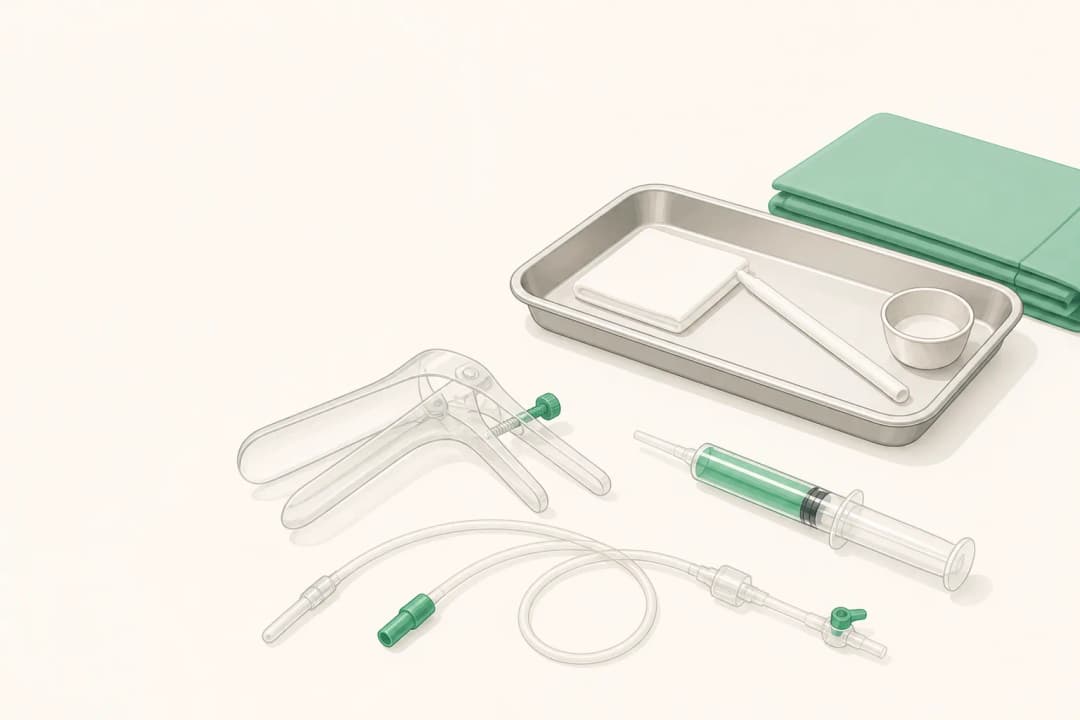
You may be asked to take a pain-relief medicine beforehand. During the appointment, you lie on an examination table, a speculum is placed, and the cervix is gently prepared. A thin tube delivers dye while images are taken. Cramping or pressure can occur as the dye enters. The imaging itself is brief, but allow time for preparation and observation afterward.
Is it safe, and how accurate is it?
HSG is generally considered a safe diagnostic test when pregnancy and active pelvic infection have been excluded. Temporary cramps, spotting or a dye reaction can occur. It gives useful information about tubal passage and the uterine cavity, but a blocked appearance can sometimes reflect temporary spasm. Your clinician interprets the images alongside your history and other fertility tests.
What happens if the result is abnormal?
An abnormal image does not by itself identify the final cause of infertility. Your clinician may discuss repeat or complementary assessment, treatment for a suspected tubal problem, or fertility options. A finding involving the tubes may lead to discussion of Blocked Fallopian Tubes or Female Infertility, depending on the wider assessment.
Key facts
The test assesses the inside of the uterus and the passage through the fallopian tubes; it does not measure egg quality or confirm that the tubes work normally in every respect. Timing is usually arranged after menstruation and before ovulation, when pregnancy is not expected. Tell the clinic about allergies, possible pregnancy, bleeding or infection.
Who may need HSG?
HSG may be offered during an infertility evaluation, particularly when a clinician needs to assess tubal openness or the uterine cavity. It may also help after certain pelvic infections, surgery or a history that raises concern about tubal narrowing. The decision depends on your symptoms, medical history and other test results.
Procedure steps
The usual sequence is: review safety questions; position you and insert a speculum; pass a slender catheter through the cervix; introduce contrast dye; capture X-ray images; remove the equipment and check how you feel before discharge.
Recovery timeline
Mild cramps and light spotting may continue for a short time. Rest if needed and follow the clinic's instructions about intercourse, tampons and bathing. Contact the clinic promptly for fever, worsening pelvic pain, heavy bleeding, faintness or unusual discharge.
Risks and limitations
Possible problems include discomfort, spotting, infection, fainting or an allergic reaction to contrast. Rarely, the procedure can injure the cervix or uterus. Ask how your clinic handles allergies and what symptoms need urgent review.
Alternatives to HSG
A HyCoSy Tubal Scan uses ultrasound with fluid or contrast to assess the uterine cavity and tubes without X-rays. Your clinician may choose another test when HSG is unsuitable or combine investigations to answer a different question.
Finding a provider
Look for a gynaecology, fertility or radiology service that performs HSG and explains preparation, pain relief, contrast allergies and result follow-up. Bring your medication list and ask when and how the report will be shared.
Questions people ask
Can HSG treat blocked tubes?
It is primarily a diagnostic test. Dye may sometimes clear minor debris, but a persistent blockage needs clinical assessment and a treatment plan.
Will HSG hurt?
Cramping or pressure is possible. Ask beforehand about suitable pain relief and tell the clinician if discomfort becomes severe.
When will I receive the result?
The timing varies by service; ask whether the clinician will discuss the images immediately or arrange a follow-up appointment.
Related
Related reading
Keep reading
Medical disclaimer. This page is general health information, not medical advice, and it cannot diagnose you. Always consult a licensed healthcare provider about your own symptoms and treatment. In an emergency in the UAE, call 998 for an ambulance.