
Colonoscopy: what to expect from this bowel camera test
At a glance
- Test type
- Direct examination of the rectum and colon
- Possible actions
- Biopsy or removal of a suitable polyp
- Preparation
- Bowel-clearing instructions before the appointment
- After sedation
- Follow discharge instructions about driving and supervision
What is a colonoscopy?
A colonoscopy uses a flexible camera to examine the bowel, find abnormal tissue, and sometimes remove polyps during the same procedure.
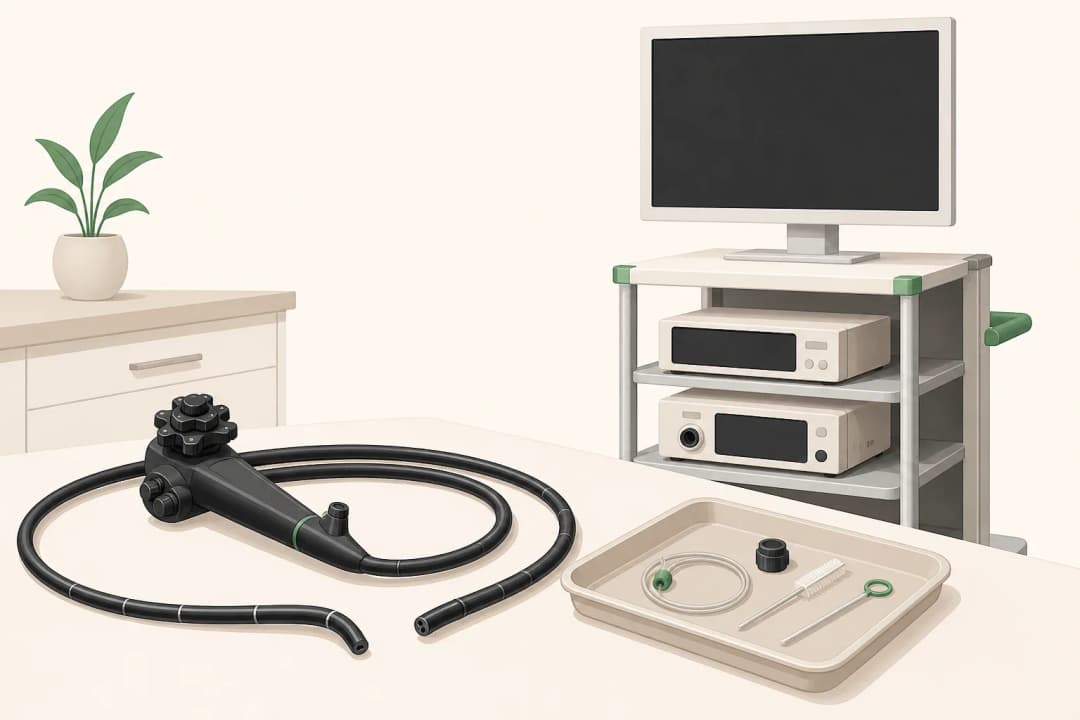
A colonoscopy uses a thin, flexible camera passed through the back passage to examine the lining of the rectum and colon. It can help investigate bowel symptoms, look for polyps or bowel cancer, and collect tissue for laboratory testing. A bowel camera test may also allow a clinician to remove a polyp while examining it.
What does the test involve?
Before the appointment, you follow bowel-preparation instructions so the colon is clear. This usually involves changing your diet for a short period and taking prescribed laxative medicine, with clear fluids as advised. At the unit, staff check your medicines and health history, and discuss sedation or another comfort plan. During the examination, the camera sends images to a screen while the clinician gently guides it through the bowel. Air or carbon dioxide may be used to open the bowel for a clearer view.
Is it safe, and how accurate is it?
Colonoscopy gives a direct view of the bowel lining and can identify changes that a stool test cannot examine directly. No test detects every abnormality: a result depends on bowel preparation, the visibility of the lining, and the clinician’s findings. The procedure is generally well established, but sedation, bloating, bleeding, infection, or a bowel wall injury can occur. Tell the team about blood thinners, allergies, pregnancy, heart or breathing problems, and previous reactions to sedation so they can plan safely.
What happens if the result is abnormal?
An abnormal finding does not by itself confirm cancer. The clinician may photograph an area, take a biopsy, or remove a polyp for laboratory assessment. A follow-up appointment explains the report and whether another examination or treatment is needed. If a suspicious growth is confirmed, the next steps may include scans, specialist review, or surgery such as bowel resection, depending on its location and the test results.
Key facts
Colonoscopy can be both a diagnostic test and a treatment session when a removable polyp is found. You should arrange transport and follow the unit’s instructions about driving or making important decisions after sedation.
Who may need a colonoscopy?
A clinician may recommend colonoscopy for persistent changes in bowel habit, rectal bleeding, unexplained iron-deficiency anaemia, or an abnormal screening result. It may also be used to check people with a personal history of polyps or bowel cancer, or those with inherited conditions such as Lynch syndrome or familial adenomatous polyposis. The timing depends on symptoms, previous findings, age, family history, and overall health.
Colonoscopy procedure steps
The usual sequence is preparation at home, arrival and consent, comfort medicine if chosen, camera examination, sampling or polyp removal when appropriate, and recovery monitoring. The clinician then explains any immediate observations; laboratory results from biopsies arrive later.
Recovery after colonoscopy
Mild cramping, wind, or tiredness can occur after the examination and often settles as the bowel returns to normal. Start with the food and fluids recommended by the unit. If sedation was used, follow the discharge instructions about supervision, driving, work, and alcohol. Seek urgent medical help for severe or worsening abdominal pain, heavy bleeding, fever, fainting, or repeated vomiting.
Possible risks
Temporary bloating and discomfort are possible. Less common problems include bleeding, especially after a polyp is removed, infection, a reaction to sedation, or a tear in the bowel wall. Ask which symptoms should prompt a call to the endoscopy unit and which require emergency care before leaving.
Alternatives to colonoscopy
A FIT stool test checks a stool sample for hidden blood and may be offered in some screening pathways. It does not provide the direct view, biopsy, or same-visit polyp removal available with colonoscopy. If FIT is abnormal, further assessment may still be recommended. The suitable option depends on your symptoms, risk factors, previous results, and the reason for testing.
Finding a colonoscopy provider
Choose an endoscopy service that can explain bowel preparation, sedation, biopsy handling, discharge support, and how results are communicated. Before booking, confirm who to contact if the preparation causes difficulty and whether a responsible adult is needed after sedation. Bring an accurate list of medicines and relevant medical records.
Questions people ask
Will a colonoscopy hurt?
You may feel pressure, cramping, or bloating. Sedation or another comfort plan may reduce discomfort, and the team monitors you throughout.
Can a polyp be removed during colonoscopy?
A suitable polyp can often be removed during the examination and sent for laboratory assessment.
Does an abnormal colonoscopy mean cancer?
No. Polyps, inflammation, and other changes can look abnormal; a biopsy or removed tissue may be needed to identify the finding.
When can I return to normal activities?
Many people resume routine activities after recovery, but sedation may affect driving and decision-making for the period stated in your discharge instructions.
Related
Related reading
Keep reading
Cancer care in the UAE
Hospitals & Medical Centers in Abu Dhabi
Most UAE cancer care is delivered inside hospital services rather than by standalone oncology clinics, so these are licensed hospitals & medical centers listed in Abu Dhabi. Confirm the specific cancer service exists before you travel, and know that asking for a second opinion is routine.
Ahalia Hospital Musaffah Building - Musaffah - Musaffah Industrial - Abu Dhabi - United Arab Emirates
Accepts: Daman, Thiqa, AXA, Cigna +26 more
Al Ruwais Industrial City - Abu Dhabi - United Arab Emirates
Accepts: Daman, Thiqa, AXA, Cigna +30 more
Abu Dhabi, Abu Dhabi
Accepts: Daman, Thiqa, AXA, Cigna +30 more
Second opinions are routine in cancer care and asking for one does not affect your treatment. How to arrange a second opinion in the UAE.
Ordered by verification status and how complete each clinic's public record is, then alphabetically. This is a directory listing, not a ranking — Zavis does not rate or recommend providers.
A factual listing drawn from the DHA, DOH and MOHAP licence registers. It is not a referral, an endorsement, or advice that any of these providers is right for you.
Medical disclaimer. This page is general health information, not medical advice, and it cannot diagnose you. Always consult a licensed healthcare provider about your own symptoms and treatment. In an emergency in the UAE, call 998 for an ambulance.