
HPV Vaccine: What It Does and What to Expect
At a glance
- Given by
- Injection into a muscle
- Prevents
- Selected HPV infections and related disease
- Still needed
- Cervical screening when recommended
What is the HPV vaccine?
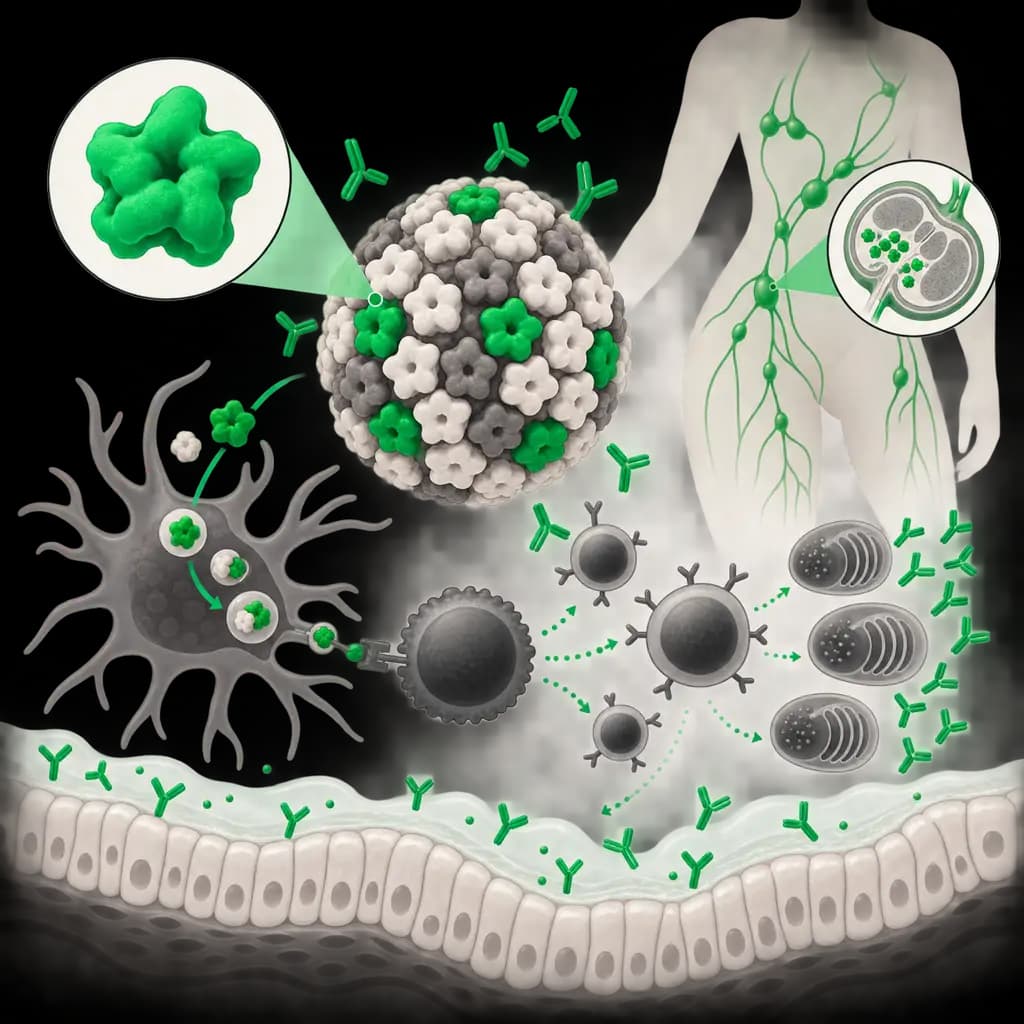
The HPV vaccine trains the immune system to help prevent infection with selected human papillomavirus types linked to several cancers and genital warts.
The HPV vaccine is a preventive vaccine made from virus-like particles rather than live human papillomavirus. It presents selected HPV targets to the immune system so the body can build protection before exposure. HPV is a common virus that can affect skin and moist linings, including the cervix, vagina, vulva, anus, penis, and throat.
How the vaccine works
Vaccination prepares immune memory to recognise specific HPV types. It cannot clear an HPV infection that is already present and does not treat an abnormal cervical screening result. Protection is directed at the types included in the vaccine, while other HPV types may still exist. The schedule depends on age at vaccination, immune status, and local clinical guidance.
Where is it used?
HPV vaccination is given by injection into a muscle, commonly in the upper arm. It is used as preventive care for people who may be exposed to HPV, with the recommended timing and schedule guided by local policy and personal health factors. Vaccination can be discussed even when someone has had sexual contact, because previous exposure to one HPV type does not imply exposure to every type covered by the vaccine.
What alternatives or companion measures exist?
There is no tablet or procedure that provides the same immune training as HPV vaccination. Condoms and other barrier methods can reduce, but cannot eliminate, HPV transmission because uncovered skin may still have contact. Cervical screening remains a separate preventive measure: it looks for cell changes that may need follow-up, whereas vaccination helps prevent selected new infections.
What does vaccination mean for a patient?
A sore arm, temporary redness, tiredness, headache, or a mild fever can follow the injection. Sitting briefly after vaccination may be advised because some people feel faint after needles. Tell the vaccinator about a previous serious allergic reaction to a vaccine or its ingredients, current illness, pregnancy, or immune conditions so the timing and plan can be assessed. Continue cervical screening when it is recommended, even after vaccination.
How long does protection last and how is safety managed?
The vaccine creates immune memory that can provide lasting protection, but the recommended schedule and any need for later doses depend on the person and local guidance. Medical teams check eligibility, allergies, pregnancy status, and immune conditions before vaccination. A vaccine card or clinic record helps track doses. Contact a healthcare service if a reaction is severe, unusual, or does not settle as expected.
Find care
General Clinics & Polyclinics in Abu Dhabi
Licensed general clinics & polyclinics listed in Abu Dhabi, for the reader who wants this looked at in person.
27 Ar Ruwwad St - Shakhbout City - MSH4 - Abu Dhabi - United Arab Emirates
Accepts: Daman, Thiqa, Cigna, MetLife +20 more
Al Ruwais, Al Dhafrah
Accepts: Daman, Thiqa, AXA, Cigna +16 more
Al Bahyah - Al Bahyah Old - Abu Dhabi - United Arab Emirates
Accepts: Daman, Thiqa, Cigna, Allianz Care +18 more
Abu Dhabi
Accepts: Daman, Thiqa, AXA, Cigna +27 more
Ordered by verification status and how complete each clinic's public record is, then alphabetically. This is a directory listing, not a ranking — Zavis does not rate or recommend providers.
A factual listing drawn from the DHA, DOH and MOHAP licence registers. It is not a referral, an endorsement, or advice that any of these providers is right for you.
Questions people ask
Can the HPV vaccine treat HPV I already have?
No. It is preventive and does not remove an existing HPV infection or treat abnormal cells.
Do I still need cervical screening after vaccination?
Yes. Vaccination does not cover every HPV type, so follow the screening schedule recommended for you.
Related
Related reading
Keep reading
Medical disclaimer. This page is general health information, not medical advice, and it cannot diagnose you. Always consult a licensed healthcare provider about your own symptoms and treatment. In an emergency in the UAE, call 998 for an ambulance.