
Gonadotrophins
At a glance
- Form
- Often supplied as an injection
- Main role
- Supports follicle development
- Supervision
- Requires scans and clinical review
What are gonadotrophins?
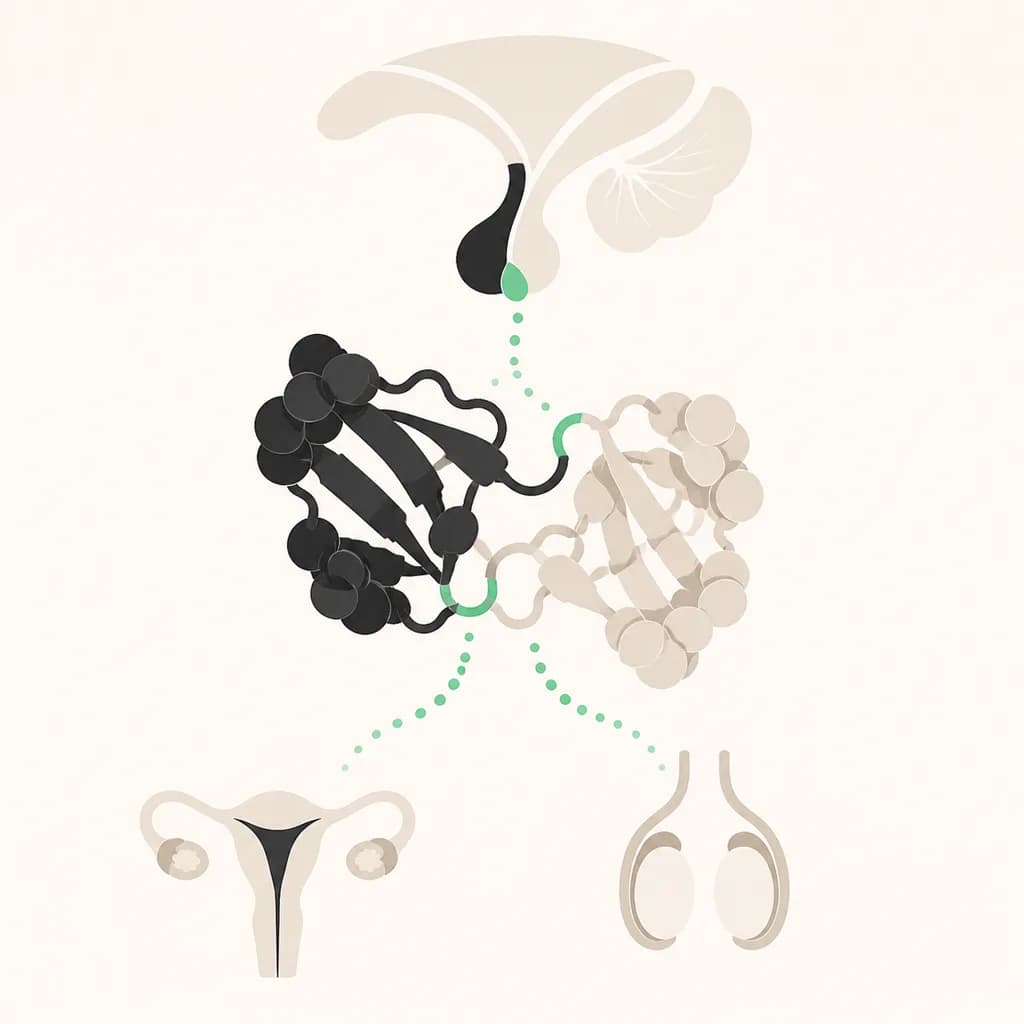
Gonadotrophins are hormone medicines used to encourage follicle development during fertility treatment.
They act like hormones involved in ovarian function and are used under clinical supervision. A follicle is a fluid-filled structure in the ovary that may contain an egg. The medicine is prescribed as part of a specific plan, not as a general supplement.
What do they do?
Different gonadotrophin preparations provide follicle-stimulating hormone, luteinising hormone activity, or a combination. The aim is to support development of follicles and help the team plan the next treatment step. Response differs between patients, so doses can be adjusted after ultrasound scans and hormone monitoring.
Where are they used?
Gonadotrophins can be part of ovarian stimulation for egg collection or other fertility plans chosen by a specialist. In IVF, they help the team develop multiple follicles before collection. See [IVF](/treatments/fertility-and-assisted-reproduction/ivf/) and [Ovarian Stimulation](/treatments/fertility-and-assisted-reproduction/ovarian-stimulation/) for the wider treatment context.
Are there alternatives?
Depending on the treatment goal, a clinician may recommend tablets, a different injectable hormone preparation, or no ovarian stimulation. The decision reflects ovarian reserve, scan findings, hormone results, previous response, and whether egg collection is planned. Medicines are not interchangeable by name or dose.
What should patients expect?
Most plans involve injections at home with appointments to check follicle growth. Bloating, pelvic heaviness, breast tenderness, headache, or injection-site discomfort may occur. Tell the clinic about worsening abdominal swelling, severe pain, vomiting, breathing difficulty, dizziness, or passing much less urine. These symptoms need prompt clinical advice during stimulation.
Duration and safety
Gonadotrophins are usually prescribed for a defined part of a monitored fertility cycle. They require individual dosing because too much ovarian response can cause complications. Follow the clinic’s injection, storage, and appointment instructions, and report symptoms early. Never increase, combine, or continue them beyond the prescribed plan without medical advice.
Find care
Fertility & IVF in Dubai
Licensed fertility & ivf listed in Dubai, for the reader who wants this looked at in person.
Allahbadia Fertility Clinic - Best Fertility Doctor in Dubai | IVF Doctor in Dubai | ICSI | IUI | Family Balancing
Accepts: Daman, Thiqa, AXA, Cigna +22 more
Dubai Healthcare City, Dubai
Accepts: Daman, Cigna, Allianz Care, Aetna International +17 more
Al Razi Building 64, Block C - Unit 1017 1st Floor - أم هرير الثانية - Dubai Healthcare City - دبي - United Arab Emirates
Accepts: Daman, AXA, Cigna, MetLife +20 more
Jumeira St - Umm Suqeim Third - Umm Suqeim 3 - Dubai - United Arab Emirates
Accepts: Daman, Thiqa, AXA, Cigna +17 more
Ordered by verification status and how complete each clinic's public record is, then alphabetically. This is a directory listing, not a ranking — Zavis does not rate or recommend providers.
A factual listing drawn from the DHA, DOH and MOHAP licence registers. It is not a referral, an endorsement, or advice that any of these providers is right for you.
Questions people ask
Are gonadotrophins the same as fertility vitamins?
No. They are prescription hormone medicines that directly affect ovarian stimulation and need clinical monitoring.
Why can the dose change?
The dose may be adjusted when scans or hormone results show that follicles are responding more slowly or quickly than intended.
Related
Related reading
Keep reading
Medical disclaimer. This page is general health information, not medical advice, and it cannot diagnose you. Always consult a licensed healthcare provider about your own symptoms and treatment. In an emergency in the UAE, call 998 for an ambulance.