
GnRH Agonist Drugs: Uses, Effects and Safety
At a glance
- Drug type
- Hormone-signalling medicine
- Common oncology use
- Prostate cancer care
- Typical delivery
- Scheduled injection or implant
What GnRH agonist drugs are
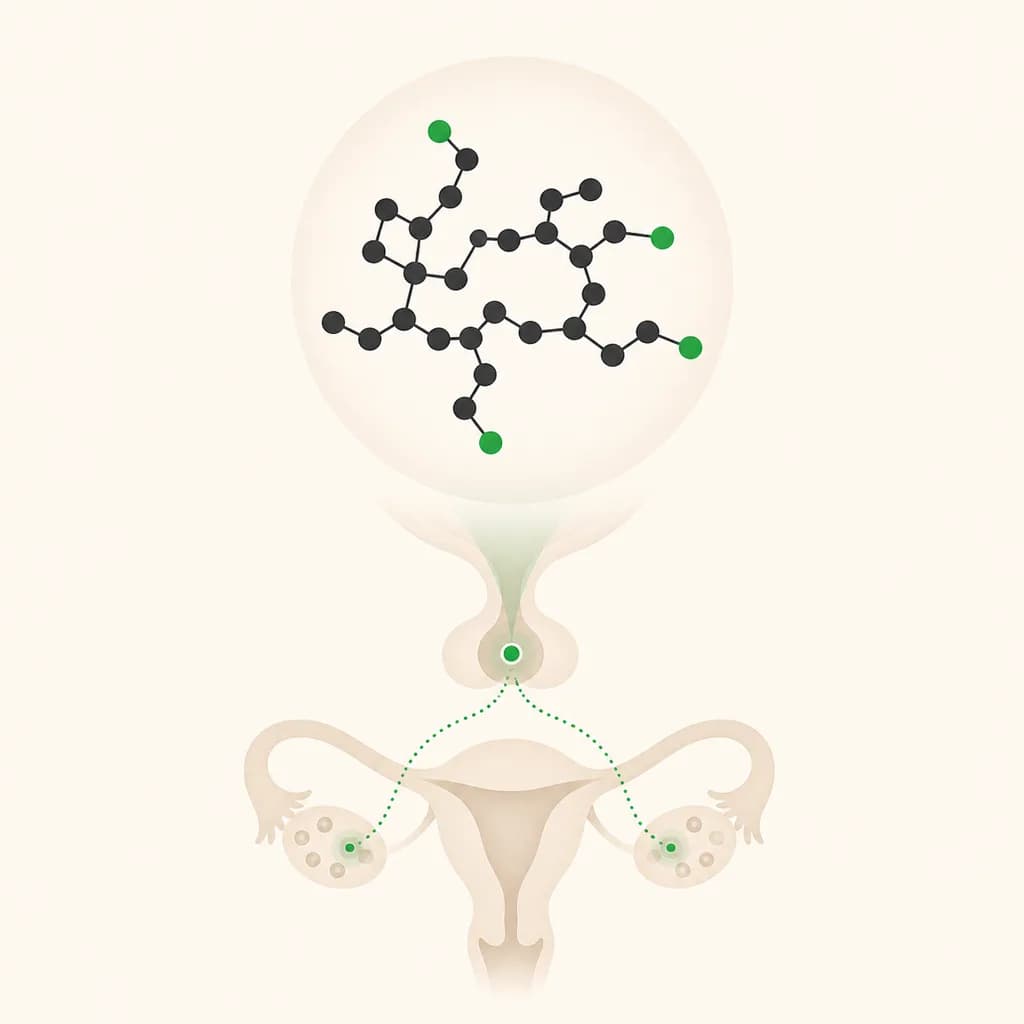
GnRH agonists are medicines that act on the hormone system. GnRH means gonadotropin-releasing hormone, a signal made in the brain that helps control the pituitary gland and reproductive organs. With repeated treatment, an agonist changes this signalling and reduces production of sex hormones. In prostate cancer care, the aim is usually to lower testosterone stimulation of hormone-sensitive cancer cells.
How these medicines behave
The first doses can briefly stimulate hormone signalling before the longer-term suppression develops. Clinicians may use another medicine around the start of treatment when a temporary hormone rise needs to be controlled. GnRH agonists are available in forms such as injections or implants, with schedules chosen for the medicine and treatment plan. They work throughout the body rather than only at the tumour site.
Where GnRH agonists are used
These medicines are used most often within androgen deprivation therapy for prostate cancer. They may be combined with other systemic treatments, surgery or radiation according to the disease and treatment goal. A clinician may also use hormone suppression in selected situations outside oncology, but this page focuses on its cancer-care role.
Other hormone-control approaches
Alternative hormone strategies can include medicines that block the androgen receptor, medicines that reduce hormone production through another route, or surgery that removes the main source of testosterone. These options differ in timing, side effects, reversibility and practical demands. The choice depends on cancer features, other health conditions, previous treatment and your preferences.
What treatment may feel like
Lower testosterone can affect hot flushes, sexual interest, erections, energy, mood and muscle strength. Some people notice changes in weight or bone health over time. Your team may discuss movement, nutrition, bone protection and monitoring of metabolic or cardiovascular health. Report new or worsening symptoms, especially severe mood changes, chest symptoms or sudden weakness, so they can be assessed promptly.
Ongoing treatment and safety
The treatment schedule can continue for an extended period, depending on the cancer and the intended benefit. Keep injection appointments and tell the team about medicines and health conditions. Do not stop treatment without discussing it, because hormone levels can change and the cancer plan may be affected. Ask how bone health, blood tests and symptoms will be followed during therapy.
Questions people ask
Why can symptoms change soon after the first dose?
Some agonists briefly stimulate hormone signalling before continued treatment suppresses it; your clinician can plan around this effect.
Are GnRH agonists the same as chemotherapy?
No. They work by changing hormone signalling rather than directly attacking rapidly dividing cells.
Related
Related reading
Keep reading
Cancer care in the UAE
Hospitals & Medical Centers in Abu Dhabi
Most UAE cancer care is delivered inside hospital services rather than by standalone oncology clinics, so these are licensed hospitals & medical centers listed in Abu Dhabi. Confirm the specific cancer service exists before you travel, and know that asking for a second opinion is routine.
Ahalia Hospital Musaffah Building - Musaffah - Musaffah Industrial - Abu Dhabi - United Arab Emirates
Accepts: Daman, Thiqa, AXA, Cigna +26 more
Al Ruwais Industrial City - Abu Dhabi - United Arab Emirates
Accepts: Daman, Thiqa, AXA, Cigna +30 more
Abu Dhabi, Abu Dhabi
Accepts: Daman, Thiqa, AXA, Cigna +30 more
Second opinions are routine in cancer care and asking for one does not affect your treatment. How to arrange a second opinion in the UAE.
Ordered by verification status and how complete each clinic's public record is, then alphabetically. This is a directory listing, not a ranking — Zavis does not rate or recommend providers.
A factual listing drawn from the DHA, DOH and MOHAP licence registers. It is not a referral, an endorsement, or advice that any of these providers is right for you.
Medical disclaimer. This page is general health information, not medical advice, and it cannot diagnose you. Always consult a licensed healthcare provider about your own symptoms and treatment. In an emergency in the UAE, call 998 for an ambulance.