
Bangladesh dengue admissions hit 42,590, UAE clinics face travel-fever triage test
Bangladesh's dengue surge is straining hospitals. UAE clinics, insurers and patients need tighter triage for fever after travel.
How Zavis verifies this coverage
Editorial standards, source rules, methodology, and review provenance are public.
Bangladesh has recorded 42,590 dengue hospitalisations and 117 deaths in 2026, forcing UAE clinics to treat post-travel fever from Dhaka and other affected districts as an operational triage issue rather than a routine viral illness.
The story matters first for Dubai providers regulated by the Dubai Health Authority (DHA), then for Abu Dhabi providers under the Department of Health Abu Dhabi (DOH Abu Dhabi) and facilities in the northern emirates overseen by the Ministry of Health and Prevention (MOHAP). The affected readers are COOs managing front-desk protocols, medical directors setting red-flag pathways, and insurers deciding when dengue testing or emergency assessment is medically necessary.
What happened in Bangladesh
Dubai Eye 103.8, citing Reuters, reported on 7 September 2026 that Bangladesh had 1,558 dengue admissions and four deaths in the previous 24 hours. That was the highest daily admission tally reported in Bangladesh so far this year, according to health ministry data cited in the report.
"The peak has not been reached yet," Professor Kabirul Bashar, medical entomologist at Jahangirnagar University, told Reuters.
Bashar said his surveillance and forecasting model pointed to more than 30,000 hospitalisations in September 2026 if the current pattern continues. Professor Tarek Alam, a physician treating dengue patients in Dhaka, told Reuters that abdominal pain, dizziness and unusual lethargy should trigger concern. Bangladesh has reported dengue in all 64 districts, while Dhaka still accounts for the largest burden.
The clinical risk for UAE providers is timing. The US Centers for Disease Control and Prevention says warning signs often appear in the 24 to 48 hours after fever has gone away, and severe dengue is a medical emergency. Its dengue guidance lists belly pain, repeated vomiting, bleeding, extreme tiredness and restlessness as triggers for urgent care.
Why UAE operators should act now
Dubai has already put dengue surveillance on the compliance calendar. On 1 May 2026, DHA issued circular CIR-2026-00000069 on surveillance of dengue fever cases, addressed to all health professionals and health facilities within DHA jurisdiction. The circular includes a case definition and clinical management guidance.
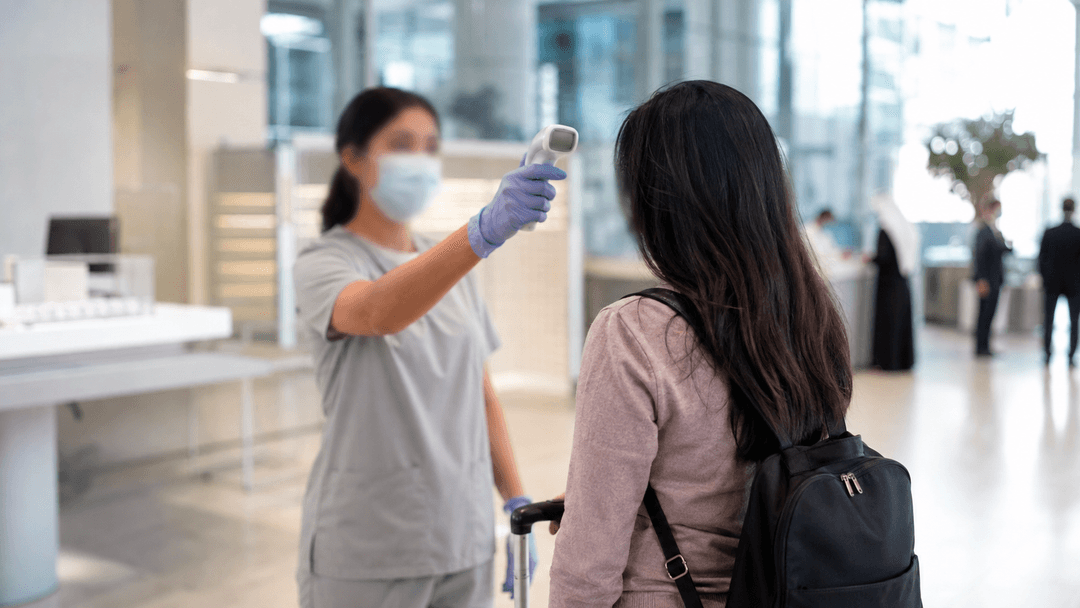
For COOs, the immediate task is a front-door script. Any patient with fever, body pain, rash, headache or gastrointestinal symptoms should be asked about travel to Bangladesh within the previous 14 days. If the fever has just settled, reception and nursing staff should still screen for warning signs before booking the patient into a standard GP slot.
- Dubai clinics should map suspected cases to DHA reporting and escalation rules in the 2026 circular.
- Abu Dhabi clinics should check DOH Abu Dhabi communicable disease reporting channels before September travel volumes rise.
- Northern emirates providers should confirm MOHAP reporting steps and laboratory referral options.
- Insurers should review whether fever after Bangladesh travel is routed to teleconsultation, urgent care or emergency assessment.
For CFOs and payer teams, the cost issue is low-ticket testing versus high-cost escalation. Public price menus vary by provider and network. In Dubai, one private provider advertises a dengue and malaria home-test package from AED 399 through Care24, while another advertises dengue fever testing from AED 249 through Cosmocare Medical Center. Operators should verify current cash prices, insurer pre-authorisation rules and network status directly with the laboratory or payer before quoting patients.
What clinics, insurers and patients should do
Medical directors should separate dengue triage from routine influenza-like illness protocols until Bangladesh’s September curve is clearer. The CDC’s travel health notices updated on 2 September 2026 list Bangladesh under global dengue risk and tell travellers to prevent mosquito bites. That advice is relevant for UAE residents visiting family, workers returning after leave and business travellers with short stays in Dhaka, Chattogram or district towns.
Dubai clinics should place dengue in the differential diagnosis for recent Bangladesh travel and avoid automatic reassurance after a negative rapid flu or Covid test. Abu Dhabi and Al Ain hospitals should expect some presentations to enter through emergency departments because severe dengue can worsen within hours. MOHAP-area clinics in Sharjah, Ajman, Ras Al Khaimah, Fujairah and Umm Al Quwain should have a referral route for platelet count, haematocrit review and same-day escalation when warning signs appear.
Patients should ask their insurer, including Daman, Thiqa or Sukoon where applicable, whether dengue testing and emergency assessment are covered in-network after recent travel. Clinics should avoid giving blanket coverage advice without checking the plan, because co-pay, referral and pre-authorisation rules can differ by policy.
The next two weeks matter because Reuters reported that September may exceed August’s caseload. UAE providers should update fever-triage questions this week, check dengue reporting obligations against DHA, DOH Abu Dhabi or MOHAP rules, and direct patients who need licensed emergency assessment to the UAE Open Healthcare Directory for licensed emergency care providers.
Zavis Intelligence
Healthcare Industry Desk
Contributing to UAE healthcare industry coverage
Related coverage




FAQ
What is happening in UAE healthcare industry?
Bangladesh's dengue surge is straining hospitals. UAE clinics, insurers and patients need tighter triage for fever after travel.