
Rotavirus Infection
At a glance
- Cause
- A contagious virus affecting the gut.
- Main concern
- Dehydration from diarrhoea and vomiting.
- Prevention
- Handwashing and routine childhood immunisation.
What rotavirus infection is
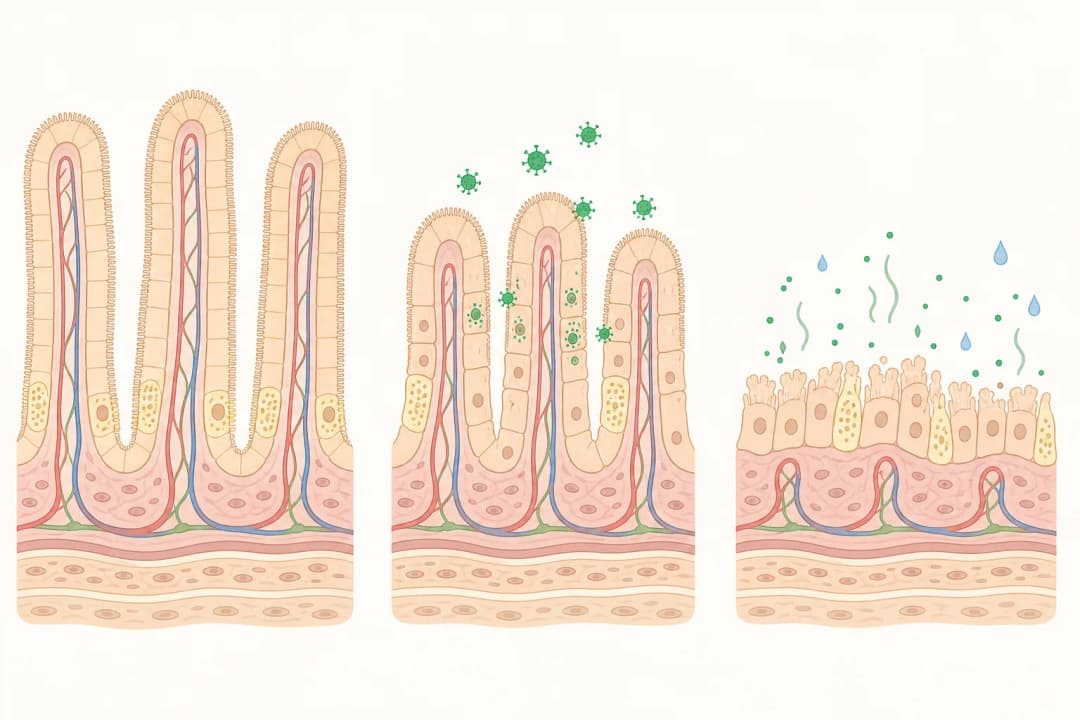
Rotavirus infection is a contagious viral illness that can cause diarrhoea, vomiting, fever and dehydration, especially in young children.
It affects the gut and is a cause of gastroenteritis. Adults can also become infected, often with milder symptoms, but can pass the virus to others.
Symptoms to look for
Watery diarrhoea and vomiting are very common presentations of rotavirus infection. Tummy cramps, reduced appetite and a fever may occur as well. A child may be tired, irritable or less interested in drinking.
The main concern is fluid loss. Seek urgent medical assessment for a baby or child who is unusually sleepy, difficult to wake, has a dry mouth, has no tears when crying, passes much less urine, cannot keep fluids down, or has blood in their stool.
How it spreads
The virus is spread when tiny amounts of stool from an infected person reach another person’s mouth. This can happen through hands, shared surfaces, toys, food, or drinks. Symptoms can start after contact with the virus, so careful handwashing remains useful even when someone seems well.
Course and progression
Symptoms often begin suddenly and may be most troublesome during the early part of the illness. Vomiting can make drinking difficult at first; diarrhoea can continue after vomiting settles. Recovery commonly follows with rest and regular fluids, but young children can become dehydrated over a short period.
Who may need closer attention
Babies, young children and people with reduced immunity may need closer monitoring because fluid loss can affect them more readily. Exposure is more likely where children share close contact, such as households or childcare settings. Previous illness does not replace routine prevention measures.
How it is assessed
A clinician usually assesses the pattern of symptoms, recent contacts and hydration. They may check alertness, the mouth, pulse and signs of reduced urine output. Stool testing is not needed for every mild illness, but may be considered when the diagnosis is unclear, symptoms are severe, or infection control decisions are needed.
Treatment and fluids
There is no routine medicine that removes the virus. Care focuses on replacing fluid and salts, continuing feeds where possible, and watching for dehydration. Small, frequent sips can be easier than large drinks after vomiting. Oral rehydration solutions are designed to replace both water and salts; follow the preparation instructions exactly.
Contact a clinician promptly if a child is getting worse, refuses fluids, has persistent vomiting, or you are worried about their level of responsiveness. Do not give anti-diarrhoea medicines to a child unless a clinician specifically advises it.
Managing illness at home
Keep the person comfortable and make fluids easy to reach. Track drinking and urine output rather than trying to make them eat a full meal. Avoid preparing food for others while unwell where possible, and clean frequently touched bathroom and changing surfaces.
Possible complications
Dehydration is the complication that requires the closest attention. In more severe cases, a person may need fluids given in a healthcare setting. Persistent abdominal pain, blood in the stool, breathing difficulty, a stiff neck, or a rapidly worsening condition should be assessed urgently because another illness may be present.
Prevention
Handwashing with soap and water after toileting, nappy changes and before handling food helps limit spread. Keep sick children away from childcare while they have diarrhoea or vomiting, following local return guidance. Routine childhood immunisation can help protect children against serious rotavirus illness.
When to seek care
A GP, paediatric clinician or urgent-care service can assess hydration and guide treatment. Seek urgent help for a baby with poor feeding, a child who is hard to rouse, or anyone with signs of significant dehydration. For less severe symptoms, arrange a clinical review if you are unsure whether fluids are being kept down.
Questions people ask
Can an adult get rotavirus infection?
Yes. Adults can be infected and may have milder symptoms, but they can still spread the virus to others.
What should I do if my child vomits after drinking?
Offer small, frequent sips of a suitable fluid or oral rehydration solution. Seek medical advice if fluids repeatedly will not stay down or dehydration signs appear.
Related
Related reading
Keep reading
Find care
Pediatrics & Child Health in Dubai
Where rotavirus infection is assessed depends on what is causing it. These are licensed pediatrics & child health listed in Dubai.
Dubai Healthcare City, Al Razi Building, Building No. 64, Block C, 1st Floor, Unit No. 1015
Plot Number:3260585, Oud Metha, al jalila hospital, OUD METHA, Dubai
Accepts: Daman, AXA, Cigna, Allianz Care +19 more
AL QUSAIS SECOND, Dubai
Accepts: Daman, Thiqa, AXA, Cigna +20 more
Location Type: Building, Building: 64, Floor: Ground, Unit Number: 09R2 & 07R3-07R4, Oud Metha Road 265, Dubai Healthcare City, Dubai
Accepts: Daman, Thiqa, AXA, Cigna +19 more
Ordered by verification status and how complete each clinic's public record is, then alphabetically. This is a directory listing, not a ranking — Zavis does not rate or recommend providers.
A factual listing drawn from the DHA, DOH and MOHAP licence registers. It is not a referral, an endorsement, or advice that any of these providers is right for you.
Medical disclaimer. This page is general health information, not medical advice, and it cannot diagnose you. Always consult a licensed healthcare provider about your own symptoms and treatment. In an emergency in the UAE, call 998 for an ambulance.