
Fibromyalgia
At a glance
- Also known as
- Fibromyalgia syndrome
- Main pattern
- Widespread pain with fatigue and sensitivity
- Care approach
- Pacing, movement, sleep support and pain strategies
What is fibromyalgia?
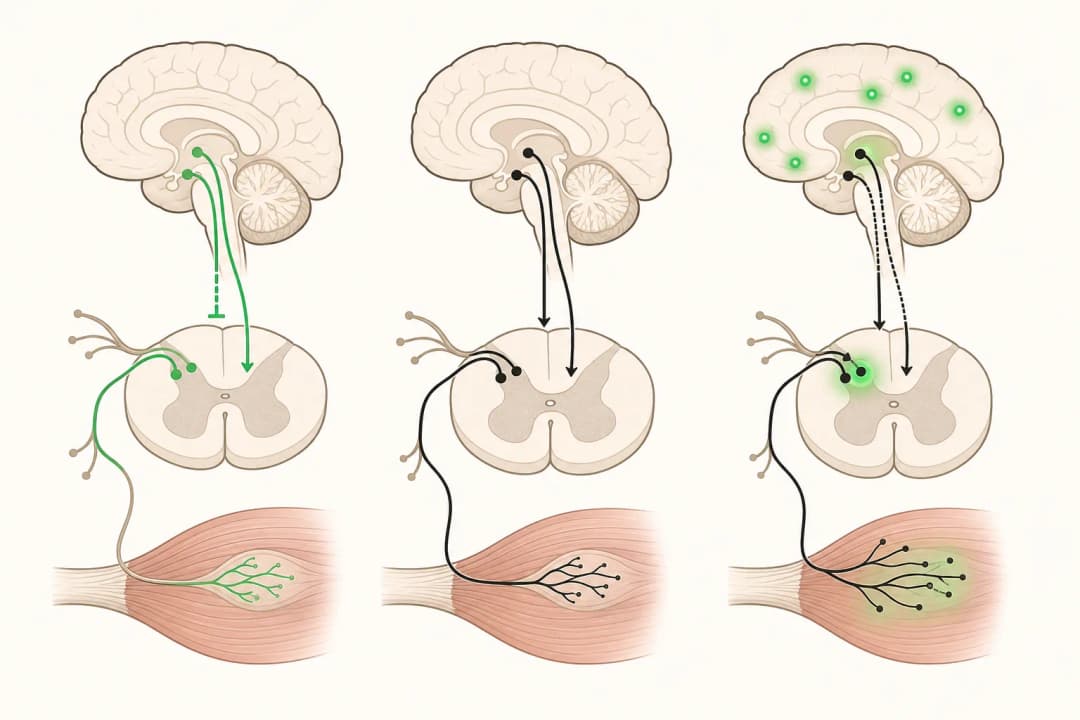
Fibromyalgia is a long-lasting pain condition in which the nervous system processes signals more sensitively. Pain may be felt in several body areas and can change from day to day. It is real and can affect sleep, concentration, mood and stamina, even when routine examination does not show joint damage.
Symptoms
Fibromyalgia commonly presents with widespread muscle aches, joint pain, morning stiffness and fatigue. Sleep may feel unrefreshing, and some people notice difficulty concentrating or increased sensitivity to light, sound or touch. Symptoms can flare after illness, stress, poor sleep or doing more activity than the body can currently tolerate.
Causes
There is no single known cause. Fibromyalgia is thought to involve changes in how the brain and spinal cord amplify and interpret pain signals. A physical injury, infection, prolonged stress or disrupted sleep may precede symptoms, but many people cannot identify one starting event.
Course and progression
Symptoms often fluctuate rather than follow a straight line. A flare can make pain, tiredness and sensitivity more noticeable for days or longer, followed by a period of improvement. Gradual pacing, regular sleep routines and a manageable activity plan can help reduce the impact of fluctuations.
Risk factors
Risk is higher when someone has a close family history, persistent sleep disruption, another chronic pain condition or a history of significant physical or emotional stress. These factors do not determine who will develop fibromyalgia, and symptoms can occur without them.
Diagnosis
Diagnosis is based on the pattern and duration of symptoms, a physical examination and discussion of sleep, fatigue and daily function. A clinician may order blood tests to check for other explanations, such as thyroid problems, anaemia or vitamin deficiencies. A GP consultation is a sensible starting point; a Vitamin D Test may be considered when deficiency is a possibility.
Treatment options
Treatment is usually tailored to the person and may combine education, graded movement, sleep support and pain strategies. Physiotherapy can help with mobility and an achievable strengthening plan. Exercise therapy may begin with gentle, low-impact activity, while hydrotherapy can make movement more comfortable in warm water. A pain management programme can build pacing and coping skills. Medicines may also be discussed with a clinician.
Living with fibromyalgia
Plan demanding tasks around your most reliable energy, alternate activity with recovery and increase exercise slowly. Keeping a short symptom diary can reveal links between sleep, workload and flares. Break tasks into smaller stages and explain to family or employers which activities worsen symptoms.
Possible complications
Unmanaged symptoms may interfere with sleep, work, relationships and physical conditioning. Ongoing pain can also lead to worry about movement and reduced activity, which may further lower stamina. New severe symptoms or a clearly different pain pattern deserve assessment rather than being automatically attributed to fibromyalgia.
Can fibromyalgia be prevented?
There is no established way to prevent every case. Protecting sleep, building activity gradually, treating injuries appropriately and seeking help for persistent pain may reduce avoidable strain and support earlier management.
Finding support
A GP can coordinate assessment and referrals. Depending on your symptoms, support may include physiotherapy, pain medicine, rheumatology or mental health care. Choose a team that explains the plan clearly and reviews it when your function or symptoms change.
Prescribing reference
Medications used for fibromyalgia
Questions people ask
Is fibromyalgia the same as arthritis?
No. Fibromyalgia mainly changes pain processing and does not usually cause the joint inflammation or structural damage associated with inflammatory arthritis.
Can exercise help fibromyalgia?
Gentle, progressive activity can support strength, sleep and stamina, but the starting level should match your symptoms and increase gradually.
Related
Related reading
Keep reading
Find care
General Clinics & Polyclinics in Abu Dhabi
Where fibromyalgia is assessed depends on what is causing it. These are licensed general clinics & polyclinics listed in Abu Dhabi.
27 Ar Ruwwad St - Shakhbout City - MSH4 - Abu Dhabi - United Arab Emirates
Accepts: Daman, Thiqa, Cigna, MetLife +20 more
Al Ruwais, Al Dhafrah
Accepts: Daman, Thiqa, AXA, Cigna +16 more
Al Bahyah - Al Bahyah Old - Abu Dhabi - United Arab Emirates
Accepts: Daman, Thiqa, Cigna, Allianz Care +18 more
Abu Dhabi
Accepts: Daman, Thiqa, AXA, Cigna +27 more
Ordered by verification status and how complete each clinic's public record is, then alphabetically. This is a directory listing, not a ranking — Zavis does not rate or recommend providers.
A factual listing drawn from the DHA, DOH and MOHAP licence registers. It is not a referral, an endorsement, or advice that any of these providers is right for you.
Medical disclaimer. This page is general health information, not medical advice, and it cannot diagnose you. Always consult a licensed healthcare provider about your own symptoms and treatment. In an emergency in the UAE, call 998 for an ambulance.