
Fatigue vs loss of libido: how they differ
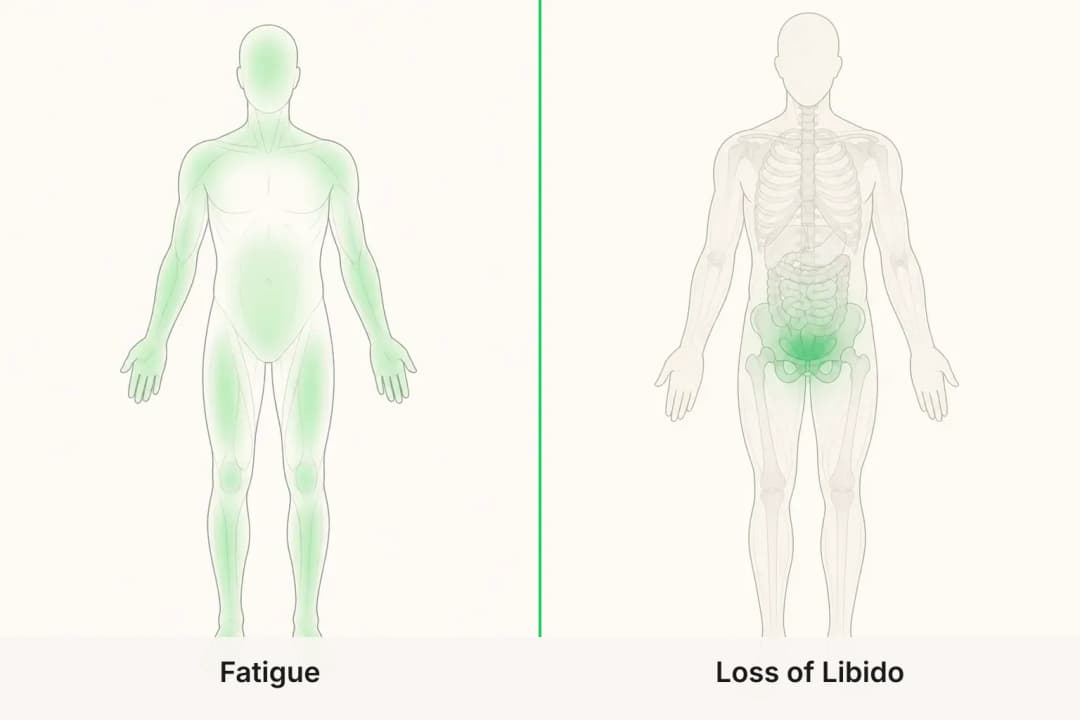
At a glance
- Fatigue
- Low energy that can affect many parts of daily life.
- Loss of libido
- A decrease in sexual interest compared with what feels usual for you.
- Consultation
- A private discussion can cover physical, emotional, and relationship factors.
Find care
General Clinics & Polyclinics in Abu Dhabi
Licensed general clinics & polyclinics listed in Abu Dhabi. Appearing here means a provider holds a UAE licence in this category — not that it offers fatigue vs loss of libido: how they differ, which is worth confirming with the clinic before you book.
27 Ar Ruwwad St - Shakhbout City - MSH4 - Abu Dhabi - United Arab Emirates
Accepts: Daman, Thiqa, Cigna, MetLife +20 more
Al Ruwais, Al Dhafrah
Accepts: Daman, Thiqa, AXA, Cigna +16 more
Al Bahyah - Al Bahyah Old - Abu Dhabi - United Arab Emirates
Accepts: Daman, Thiqa, Cigna, Allianz Care +18 more
Abu Dhabi
Accepts: Daman, Thiqa, AXA, Cigna +27 more
The New EMI State Tower - 3rd Floor 303 Kan’ad Street - Hamdan Bin Mohammed St - Al Danah - Zone 1 - Abu Dhabi - United Arab Emirates
Accepts: Daman, Thiqa, Cigna, MetLife +22 more
Taj Resorts RV-1, Al Nasser Properties - Mafraq-2 - Mafraq Industrial Area - Abu Dhabi - United Arab Emirates
Accepts: Daman, Thiqa, AXA, Cigna +14 more
Ordered by verification status and how complete each clinic's public record is, then alphabetically. This is a directory listing, not a ranking — Zavis does not rate or recommend providers.
A factual listing drawn from the DHA, DOH and MOHAP licence registers. It is not a referral, an endorsement, or advice that any of these providers is right for you.
Separate energy from sexual desire
Fatigue is reduced physical or mental energy, while loss of libido is a decrease in sexual interest that may have physical, emotional, or relationship contributors.
They can overlap without being the same problem. Low energy may leave little capacity for intimacy, while a change in sexual desire may be the only change a person notices. Desire naturally varies with stress, sleep, health, privacy, relationship circumstances, and life events. The most useful first question is whether you want more energy in general, a change in desire specifically, or support with both.
Put fatigue first when it affects most of your day
Fatigue is the better starting point when ordinary tasks, attention, exercise, or social contact feel difficult because your energy is low. Keep a private note of sleep quality, energy changes, activity, meals, pain, and new medicines. Include whether you wake refreshed and whether fatigue is present at rest. These observations help identify whether low desire seems secondary to exhaustion or whether another concern needs equal attention.
Put loss of libido first when desire is the central change
Focus on loss of libido when your general energy is reasonably unchanged but your interest in sex has shifted in a way that concerns you. It may help to consider onset, stress, mood, body image, discomfort during sex, relationship pressures, contraception, pregnancy or postpartum changes, menopause-related changes, and medicines. You do not need to share details you are uncomfortable discussing, but a clinician can give more useful support when they know what has changed and how it affects you.
When to seek medical or urgent support
Seek urgent medical help for fatigue with chest pain, trouble breathing, fainting, confusion, a seizure, new weakness on one side, or a severe sudden headache. Get immediate support if you feel at risk of harming yourself or another person. Arrange a medical review for persistent or worsening fatigue, a marked change in sexual desire that is distressing, pain or bleeding with sex, new genital symptoms, or a major change in mood, sleep, appetite, or weight.
When another concern describes it better
Sometimes the key issue is not energy or desire but low mood, anxiety, grief, relationship conflict, sexual pain, sleep disruption, or concerns about sexual function. Use the words that fit your experience. A person may value intimacy but avoid it because it is uncomfortable, worry about performance, or feel emotionally distant; that is different from simply having less desire. Clear language can lead to more relevant help and reduce unnecessary self-blame.
What a confidential consultation can cover
A clinician may ask about the timing of symptoms, sleep, stress, relationships, pain, periods or other hormonal changes, medical history, and medicines or supplements. They may discuss emotional wellbeing and any physical symptoms before deciding whether an examination or tests would help. You can ask for privacy, say what you do not wish to discuss, and request a clinician of a preferred gender where services can accommodate this. The consultation should focus on your goals and comfort.
Questions people ask
Can tiredness lower sexual desire?
It can. Exhaustion, poor sleep, pain, stress, and illness can leave less capacity for sexual interest, although a change in desire can also have its own contributors.
Is it appropriate to discuss loss of libido with a clinician?
Yes. It is a valid health concern, especially when it is distressing, persistent, linked to pain or other symptoms, or follows a medicine or health change.
Related
Related reading
Keep reading
Medical disclaimer. This page is general health information, not medical advice, and it cannot diagnose you. Always consult a licensed healthcare provider about your own symptoms and treatment. In an emergency in the UAE, call 998 for an ambulance.