
Abdominal Pain vs Vomiting
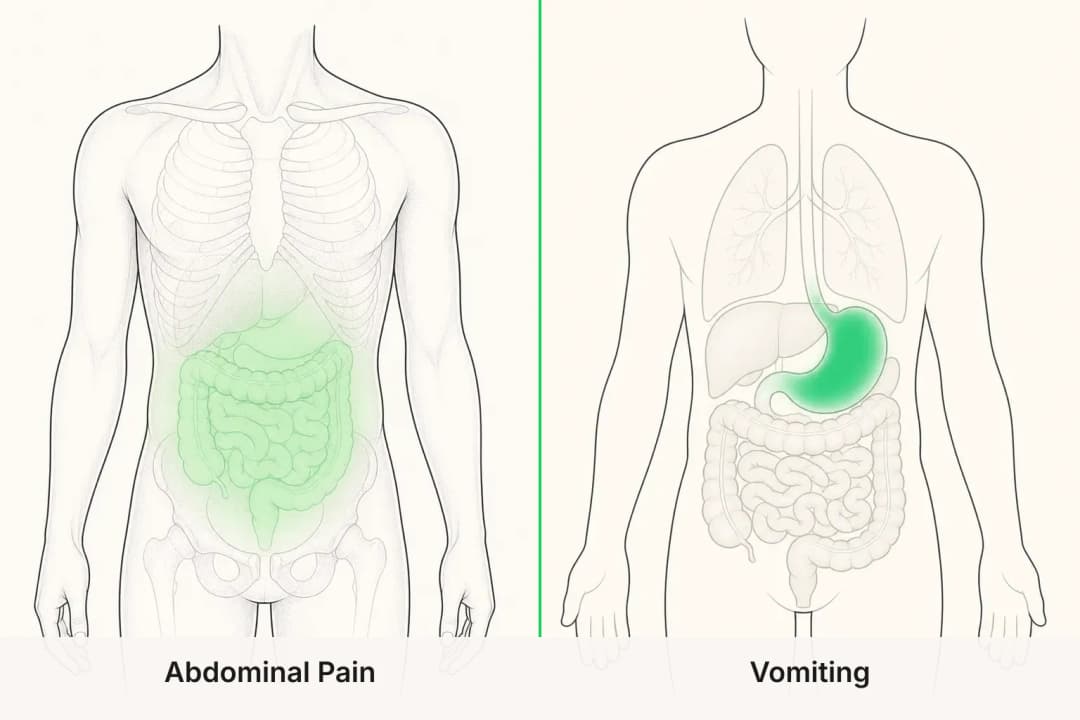
At a glance
- Abdominal pain
- A symptom felt in the belly
- Vomiting
- An event involving expulsion of stomach contents
- Hydration
- Ability to keep fluids down is an important detail
Find care
General Clinics & Polyclinics in Abu Dhabi
Licensed general clinics & polyclinics listed in Abu Dhabi. Appearing here means a provider holds a UAE licence in this category — not that it offers abdominal pain vs vomiting, which is worth confirming with the clinic before you book.
27 Ar Ruwwad St - Shakhbout City - MSH4 - Abu Dhabi - United Arab Emirates
Accepts: Daman, Thiqa, Cigna, MetLife +20 more
Al Ruwais, Al Dhafrah
Accepts: Daman, Thiqa, AXA, Cigna +16 more
Al Bahyah - Al Bahyah Old - Abu Dhabi - United Arab Emirates
Accepts: Daman, Thiqa, Cigna, Allianz Care +18 more
Abu Dhabi
Accepts: Daman, Thiqa, AXA, Cigna +27 more
The New EMI State Tower - 3rd Floor 303 Kan’ad Street - Hamdan Bin Mohammed St - Al Danah - Zone 1 - Abu Dhabi - United Arab Emirates
Accepts: Daman, Thiqa, Cigna, MetLife +22 more
Taj Resorts RV-1, Al Nasser Properties - Mafraq-2 - Mafraq Industrial Area - Abu Dhabi - United Arab Emirates
Accepts: Daman, Thiqa, AXA, Cigna +14 more
Ordered by verification status and how complete each clinic's public record is, then alphabetically. This is a directory listing, not a ranking — Zavis does not rate or recommend providers.
A factual listing drawn from the DHA, DOH and MOHAP licence registers. It is not a referral, an endorsement, or advice that any of these providers is right for you.
What each symptom describes
Abdominal pain is a feeling of discomfort in the belly, whereas vomiting is forcefully bringing stomach contents up through the mouth.
Abdominal pain can be mild or severe, settle in one area or be widespread, and may be linked with eating, bowel movements, urination, or movement. Vomiting may follow nausea, but it can begin suddenly. Both symptoms can occur with infections, food-related illness, medication effects, pregnancy, and conditions affecting abdominal organs, so the surrounding details are important.
Focus on abdominal pain when
Centre the discussion on abdominal pain if it is the symptom that is strongest, lasts between other symptoms, or changes how you walk, eat, sleep, or move. Give a clear map of where it hurts and say whether it travelled from its starting point. Mention a tender area, fever, diarrhoea, constipation, urinary symptoms, or unexpected vaginal bleeding. Do not take a new pain medicine solely to mask severe or worsening pain before seeking assessment; a pharmacist or clinician can advise on suitable options for your circumstances.
Focus on vomiting when
Make vomiting the priority when episodes are recurring, you cannot keep fluids down, or you are concerned about dehydration. Describe when it started, how often it happens, whether there was nausea beforehand, and whether vomit contains blood or looks dark and grainy. Try small sips of water or oral rehydration fluid if you can tolerate them. Children, older adults, and people with chronic health conditions can become dehydrated more easily, so a lower threshold for timely clinical advice is sensible.
Urgent warning signs
Seek urgent medical care for sudden severe abdominal pain, a hard or increasingly swollen abdomen, blood in vomit or stool, black tarry stool, chest pain, fainting, confusion, or breathing difficulty. Vomiting with a severe headache, stiff neck, or new weakness also needs urgent attention. Prompt assessment is needed when vomiting continues and fluids cannot be kept down, especially with reduced urine or marked drowsiness. These signals call for care because of their severity and pattern, not because they confirm a particular cause.
When another symptom label may be clearer
Nausea is the queasy sensation that may happen without vomiting. Diarrhoea, indigestion, reflux, bloating, pelvic pain, or difficulty swallowing can also be more precise descriptions in the right situation. Retching means repeated heaving without bringing up stomach contents. If discomfort is mainly in the chest, back, or flank, name that location directly. A complete account lets the clinician decide whether the main issue is gastrointestinal, urinary, reproductive, neurological, or something else.
What medical assessment may involve
The clinician will consider the onset, pain location, vomiting pattern, food and medication history, exposure to illness, pregnancy possibility where relevant, and medical conditions. They may check temperature, pulse, blood pressure, hydration, and abdominal tenderness. Tests are selected according to the findings and may include urine, blood, pregnancy, stool, or imaging tests. Treatment can range from fluid guidance and anti-sickness medicine to care directed at the identified cause, with follow-up advice if symptoms change.
Questions people ask
Is vomiting the same as nausea?
No. Nausea is the sensation of wanting to vomit, while vomiting is the physical act of bringing up stomach contents.
When should I seek help for vomiting?
Seek urgent care for blood in vomit, severe pain, confusion, fainting, or inability to keep fluids down; otherwise seek advice if symptoms persist or you are worried.
Related
Related reading
Keep reading
Medical disclaimer. This page is general health information, not medical advice, and it cannot diagnose you. Always consult a licensed healthcare provider about your own symptoms and treatment. In an emergency in the UAE, call 998 for an ambulance.