
Abdominal Pain vs Nausea
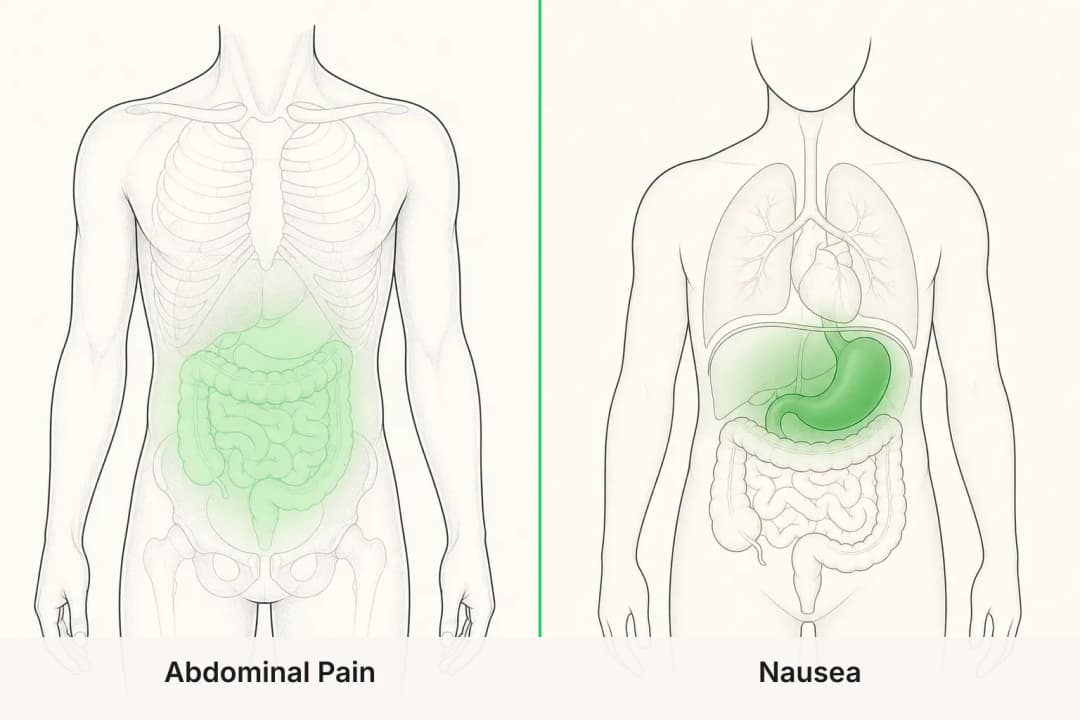
At a glance
- Abdominal pain
- Discomfort located in the belly
- Nausea
- A queasy feeling that may precede vomiting
- Urgent warning
- Severe pain, bleeding, fainting, or inability to keep fluids down
Find care
General Clinics & Polyclinics in Abu Dhabi
Licensed general clinics & polyclinics listed in Abu Dhabi. Appearing here means a provider holds a UAE licence in this category — not that it offers abdominal pain vs nausea, which is worth confirming with the clinic before you book.
27 Ar Ruwwad St - Shakhbout City - MSH4 - Abu Dhabi - United Arab Emirates
Accepts: Daman, Thiqa, Cigna, MetLife +20 more
Al Ruwais, Al Dhafrah
Accepts: Daman, Thiqa, AXA, Cigna +16 more
Al Bahyah - Al Bahyah Old - Abu Dhabi - United Arab Emirates
Accepts: Daman, Thiqa, Cigna, Allianz Care +18 more
Abu Dhabi
Accepts: Daman, Thiqa, AXA, Cigna +27 more
The New EMI State Tower - 3rd Floor 303 Kan’ad Street - Hamdan Bin Mohammed St - Al Danah - Zone 1 - Abu Dhabi - United Arab Emirates
Accepts: Daman, Thiqa, Cigna, MetLife +22 more
Taj Resorts RV-1, Al Nasser Properties - Mafraq-2 - Mafraq Industrial Area - Abu Dhabi - United Arab Emirates
Accepts: Daman, Thiqa, AXA, Cigna +14 more
Ordered by verification status and how complete each clinic's public record is, then alphabetically. This is a directory listing, not a ranking — Zavis does not rate or recommend providers.
A factual listing drawn from the DHA, DOH and MOHAP licence registers. It is not a referral, an endorsement, or advice that any of these providers is right for you.
How the symptoms differ
Abdominal pain is discomfort in the belly, while nausea is the unsettled feeling that you may vomit.
Abdominal pain is a sensation located in the abdomen. It may feel cramping, burning, pressure-like, sharp, or dull, and its location can move or remain in one area. Nausea is a feeling of queasiness or an urge to vomit; it is felt more as an internal sensation than at a precise body location. Either symptom can occur on its own, and they can also arise together during the same illness.
Focus on abdominal pain when
Use abdominal pain as the main concern when discomfort in the belly is what is limiting eating, movement, sleep, or daily activity. Tell a clinician where it began, whether it spread, and whether it is constant or comes in waves. Pain after meals, pain with passing urine, a change in bowel habits, or pain that worsens with movement are details that help narrow the cause. A pain diary can record timing, food, medicines, and associated symptoms without trying to diagnose the problem yourself.
Focus on nausea when
Nausea deserves primary attention when the unsettled feeling makes it hard to drink, eat, take regular medicines, or function normally. Note whether vomiting occurs, what you can keep down, and whether dizziness, headache, fever, diarrhoea, or pregnancy is relevant. Small frequent sips of fluid may be easier than a large drink. Avoid alcohol and foods that clearly worsen the sensation while you arrange advice if nausea persists or keeps returning.
When either symptom needs urgent care
Seek urgent medical assessment for severe or rapidly worsening abdominal pain, a rigid or markedly swollen abdomen, fainting, confusion, trouble breathing, or blood in vomit or stool. Get prompt care if vomiting prevents fluids from staying down, urine becomes very scant or dark, or there are signs of dehydration such as marked dizziness. Pregnancy with significant abdominal pain, vaginal bleeding, or persistent vomiting also needs timely clinical advice. These warning signs matter because the symptom pattern can require assessment, not because one named diagnosis is assumed.
When a different description fits better
Heartburn, bloating, indigestion, diarrhoea, constipation, pelvic pain, dizziness, or loss of appetite may be more useful starting descriptions in some situations. For example, a burning feeling behind the breastbone after meals differs from pain centred in the abdomen. Repeated dizziness with nausea may call attention to hydration, medicines, or an inner-ear problem. Describe every symptom that is present rather than choosing a single label if the picture is mixed.
How a clinician chooses the next step
A clinician usually begins with the timing, location, severity, triggers, medical history, medicines, and associated symptoms. Examination may include checking the abdomen and looking for dehydration. Depending on the pattern, they may recommend observation and symptom relief, a urine or blood test, pregnancy testing where relevant, stool testing, or imaging. The plan is guided by the full pattern and any red flags, rather than by treating nausea and abdominal pain as interchangeable symptoms.
Questions people ask
Can abdominal pain and nausea happen together?
Yes. They may occur together, but the location and behaviour of the pain and your ability to drink are useful details for assessment.
What should I track before a medical appointment?
Record onset, pain location, meals, vomiting, bowel or urine changes, temperature, medicines, and anything that makes symptoms better or worse.
Related
Related reading
Keep reading
Medical disclaimer. This page is general health information, not medical advice, and it cannot diagnose you. Always consult a licensed healthcare provider about your own symptoms and treatment. In an emergency in the UAE, call 998 for an ambulance.