
How to remove xanthelasma
Short answer
Removing xanthelasma usually involves a clinician choosing between a resurfacing technique and carefully planned excisional surgery.
This answers one question. It is not a diagnosis and does not replace an assessment by a licensed doctor.
At a glance
- Area involved
- Eyelid skin
- Assessment
- Dermatology examination
- Options discussed
- Laser or excision
What xanthelasma is
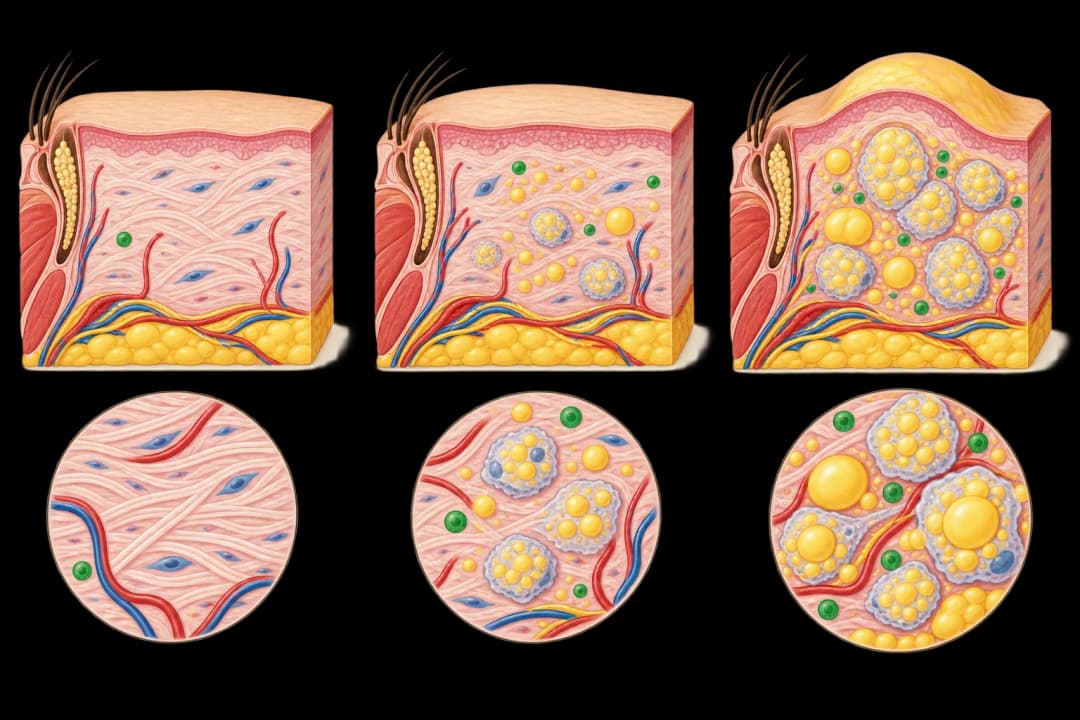
Xanthelasma refers to yellowish cholesterol-containing plaques in the eyelid skin, often close to the nose. They are generally noticed because of their appearance rather than because they cause discomfort. A visual examination helps distinguish them from milia, cysts, inflammation, or other growths. Do not assume every pale eyelid bump is xanthelasma, and avoid picking at delicate eyelid skin.
Planning removal
A dermatologist can map the plaques and explain whether CO2 laser resurfacing or surgical excision is more appropriate. The choice depends on thickness, spread, proximity to the lash line, previous treatment, and the amount of healthy skin available. Ask about anaesthesia, wound care, pigment changes, scarring, and time away from usual activities. A clinician may recommend checking cholesterol or related medical factors, particularly when the plaques are widespread or have returned. Lifestyle changes can support cardiovascular health, but they should not be presented as a direct way to dissolve a visible plaque.
When medical review matters
Arrange an assessment for a new or changing eyelid plaque. Prompt care is appropriate if there is bleeding, an open sore, marked redness, increasing pain, sudden swelling, reduced vision, or trouble opening or closing the eye. These signs can indicate a different problem or a treatment complication and should not be managed with cosmetic products.
Useful questions
Ask whether testing is needed, why one removal method fits your skin and lesion, how recurrence will be handled, and which symptoms during healing require an urgent call.
Find care
General Clinics & Polyclinics in Abu Dhabi
That answer is general. If you want it applied to your own case, these are licensed general clinics & polyclinics listed in Abu Dhabi.
27 Ar Ruwwad St - Shakhbout City - MSH4 - Abu Dhabi - United Arab Emirates
Accepts: Daman, Thiqa, Cigna, MetLife +20 more
Al Ruwais, Al Dhafrah
Accepts: Daman, Thiqa, AXA, Cigna +16 more
Al Bahyah - Al Bahyah Old - Abu Dhabi - United Arab Emirates
Accepts: Daman, Thiqa, Cigna, Allianz Care +18 more
Abu Dhabi
Accepts: Daman, Thiqa, AXA, Cigna +27 more
Ordered by verification status and how complete each clinic's public record is, then alphabetically. This is a directory listing, not a ranking — Zavis does not rate or recommend providers.
A factual listing drawn from the DHA, DOH and MOHAP licence registers. It is not a referral, an endorsement, or advice that any of these providers is right for you.
Questions people ask
Is removal purely cosmetic?
Many people seek removal for appearance, but a new or unusual lesion still deserves diagnosis before treatment.
What should I put on it at home?
Use gentle skin care and avoid acids, cutting, or abrasive products near the eye.
Related
Related reading
Keep reading
Medical disclaimer. This page is general health information, not medical advice, and it cannot diagnose you. Always consult a licensed healthcare provider about your own symptoms and treatment. In an emergency in the UAE, call 998 for an ambulance.