
Why does squamous cell carcinoma cause sore that will not heal?
Short answer
Squamous cell carcinoma can cause a sore that will not heal because abnormal cells disrupt the skin’s normal structure and repair process.
This answers one question. It is not a diagnosis and does not replace an assessment by a licensed doctor.
At a glance
- Possible changes
- Crusting, scaling, tenderness, bleeding, or repeated reopening can occur.
- Common sites
- Sun-exposed skin is often checked carefully.
- Next step
- Persistent or recurring sores need a clinical examination.
Why healing may stall
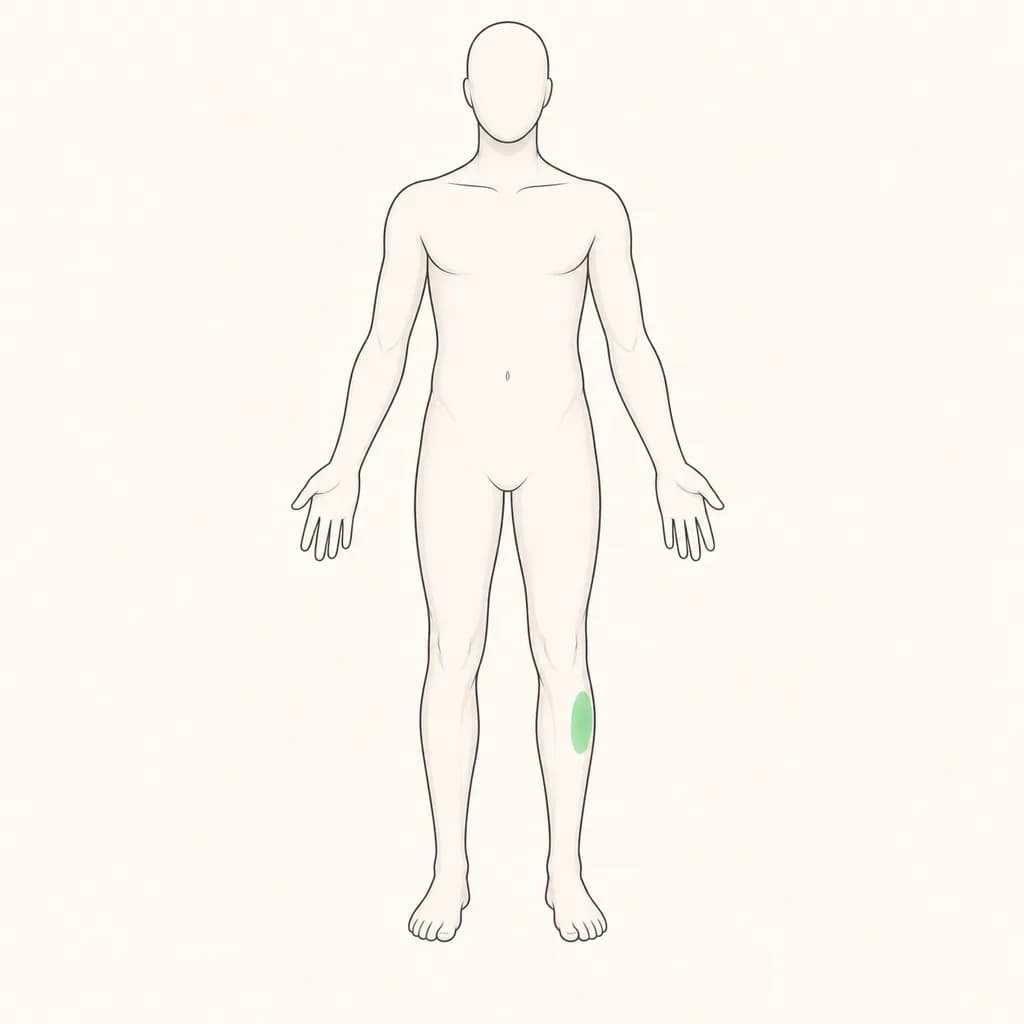
Sore That Will Not Heal is a common presentation of Squamous Cell Carcinoma. As abnormal cells grow in the outer skin and sometimes deeper layers, the area may not rebuild a healthy surface normally. A spot can develop a rough scale, crust, tenderness, bleeding, or an open centre, then seem to improve and break down again. Sun-exposed areas such as the face, ears, scalp, lips, and backs of the hands deserve careful attention, although this cancer can occur elsewhere.
What to do about a persistent sore
Book an examination with a dermatologist or qualified clinician for any sore that persists, repeatedly returns, or changes. Do not keep treating it as an ordinary cut without review. Protect the area from sun, avoid picking the crust, and use gentle cleansing. Take note of its location, changes in size or texture, bleeding, and any previous injury. Diagnosis may require a close examination and a small skin sample; treatment depends on the result and the site.
When to seek care quickly
Arrange prompt care if the sore is enlarging, painful, repeatedly bleeding, foul-smelling, or affecting an eyelid, lip, ear, or other sensitive site. Seek urgent help for bleeding that does not stop with steady gentle pressure, rapidly increasing swelling, spreading redness, fever, or feeling very unwell. A sore has many possible causes, so an examination is needed rather than a conclusion based on appearance alone.
Questions for your doctor
Ask what features make the sore concerning, whether a biopsy is needed, how to care for it while waiting, and which sun-protection habits are appropriate. Ask how quickly the area should be reviewed if it bleeds or changes.
Find care
General Clinics & Polyclinics in Abu Dhabi
That answer is general. If you want it applied to your own case, these are licensed general clinics & polyclinics listed in Abu Dhabi.
27 Ar Ruwwad St - Shakhbout City - MSH4 - Abu Dhabi - United Arab Emirates
Accepts: Daman, Thiqa, Cigna, MetLife +20 more
Al Ruwais, Al Dhafrah
Accepts: Daman, Thiqa, AXA, Cigna +16 more
Al Bahyah - Al Bahyah Old - Abu Dhabi - United Arab Emirates
Accepts: Daman, Thiqa, Cigna, Allianz Care +18 more
Abu Dhabi
Accepts: Daman, Thiqa, AXA, Cigna +27 more
Ordered by verification status and how complete each clinic's public record is, then alphabetically. This is a directory listing, not a ranking — Zavis does not rate or recommend providers.
A factual listing drawn from the DHA, DOH and MOHAP licence registers. It is not a referral, an endorsement, or advice that any of these providers is right for you.
Questions people ask
Does every sore that will not heal indicate cancer?
No. Infections, irritation, trauma, and other skin conditions can also delay healing, so examination is needed.
Can a sore that improves still need review?
Yes. A spot that repeatedly crusts, closes, and reopens should be assessed rather than watched indefinitely.
Related
Related reading
Keep reading
Medical disclaimer. This page is general health information, not medical advice, and it cannot diagnose you. Always consult a licensed healthcare provider about your own symptoms and treatment. In an emergency in the UAE, call 998 for an ambulance.