
Why can oligohydramnios cause reduced baby movements?
Short answer
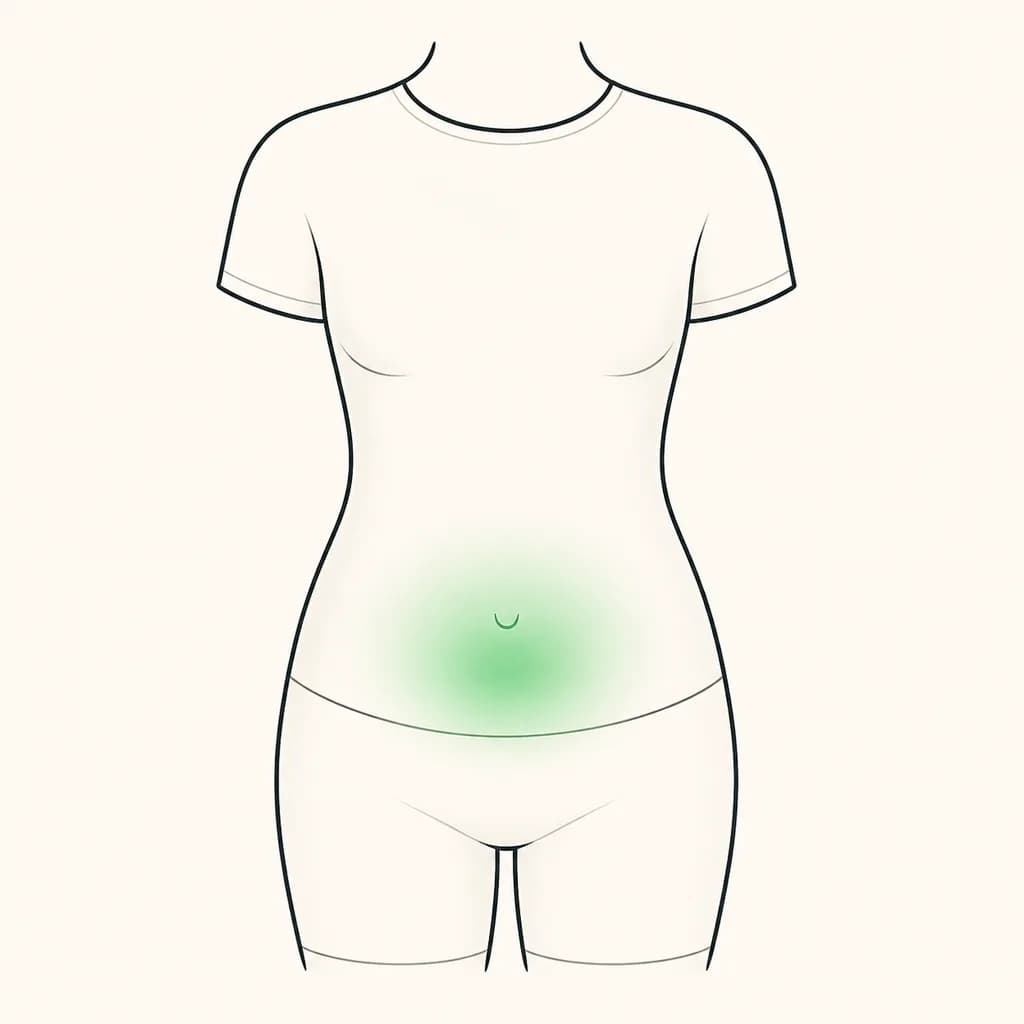
Reduced Baby Movements is a common presentation of Oligohydramnios because less amniotic fluid can reduce cushioning and the space available for movement.
This answers one question. It is not a diagnosis and does not replace an assessment by a licensed doctor.
At a glance
- Main mechanism
- Less fluid can mean less cushioning and room for movement.
- Best next step
- Report a change in your baby’s usual movement pattern immediately.
How low fluid can affect movement
Amniotic fluid cushions the baby and allows room for movement. When the fluid level is low, the baby may have less room to move freely, and movements may feel different or less pronounced. Oligohydramnios can have several causes, including problems with the placenta, the baby’s kidneys or urinary tract, or fluid loss. Reduced movement can also happen for other reasons, so it should not be explained away without assessment.
What to do
If your baby’s usual pattern has changed, contact your maternity unit immediately for guidance rather than waiting for the next appointment. A clinician may check the heartbeat, your symptoms, and the fluid level with ultrasound. They may also assess growth, blood flow, and the placenta. Do not rely on home monitoring or a drink to decide that reduced movement is safe to ignore.
When to seek urgent care
Call your maternity unit urgently if movements are reduced, weaker than usual, or absent. Seek emergency help if reduced movement occurs with vaginal bleeding, leaking fluid, severe abdominal pain, regular contractions, fever, or feeling faint. Prompt assessment can show whether the baby needs closer monitoring or other care.
Questions for your doctor
Ask how the fluid level was measured, what may have caused it, how often the baby should be monitored, which movement changes require immediate contact, and what signs of leaking fluid to watch for.
Find care
General Clinics & Polyclinics in Abu Dhabi
That answer is general. If you want it applied to your own case, these are licensed general clinics & polyclinics listed in Abu Dhabi.
27 Ar Ruwwad St - Shakhbout City - MSH4 - Abu Dhabi - United Arab Emirates
Accepts: Daman, Thiqa, Cigna, MetLife +20 more
Al Ruwais, Al Dhafrah
Accepts: Daman, Thiqa, AXA, Cigna +16 more
Al Bahyah - Al Bahyah Old - Abu Dhabi - United Arab Emirates
Accepts: Daman, Thiqa, Cigna, Allianz Care +18 more
Abu Dhabi
Accepts: Daman, Thiqa, AXA, Cigna +27 more
Ordered by verification status and how complete each clinic's public record is, then alphabetically. This is a directory listing, not a ranking — Zavis does not rate or recommend providers.
A factual listing drawn from the DHA, DOH and MOHAP licence registers. It is not a referral, an endorsement, or advice that any of these providers is right for you.
Questions people ask
Can a baby still move with oligohydramnios?
Yes. Movement may continue but feel different or less strong; any change from the usual pattern needs prompt assessment.
Can reduced movement be caused by something else?
Yes. Several situations can change fetal movement, which is why a maternity assessment is needed rather than guessing the cause.
Medical disclaimer. This page is general health information, not medical advice, and it cannot diagnose you. Always consult a licensed healthcare provider about your own symptoms and treatment. In an emergency in the UAE, call 998 for an ambulance.