
Why does liver cirrhosis cause jaundice?
Short answer
Liver cirrhosis can cause jaundice when scarred liver tissue cannot process and clear bilirubin effectively.
This answers one question. It is not a diagnosis and does not replace an assessment by a licensed doctor.
At a glance
- Underlying change
- Liver scarring.
- Why yellowing occurs
- Bilirubin is not cleared effectively.
- Important symptom
- New confusion needs urgent care.
Why scarring changes bilirubin handling
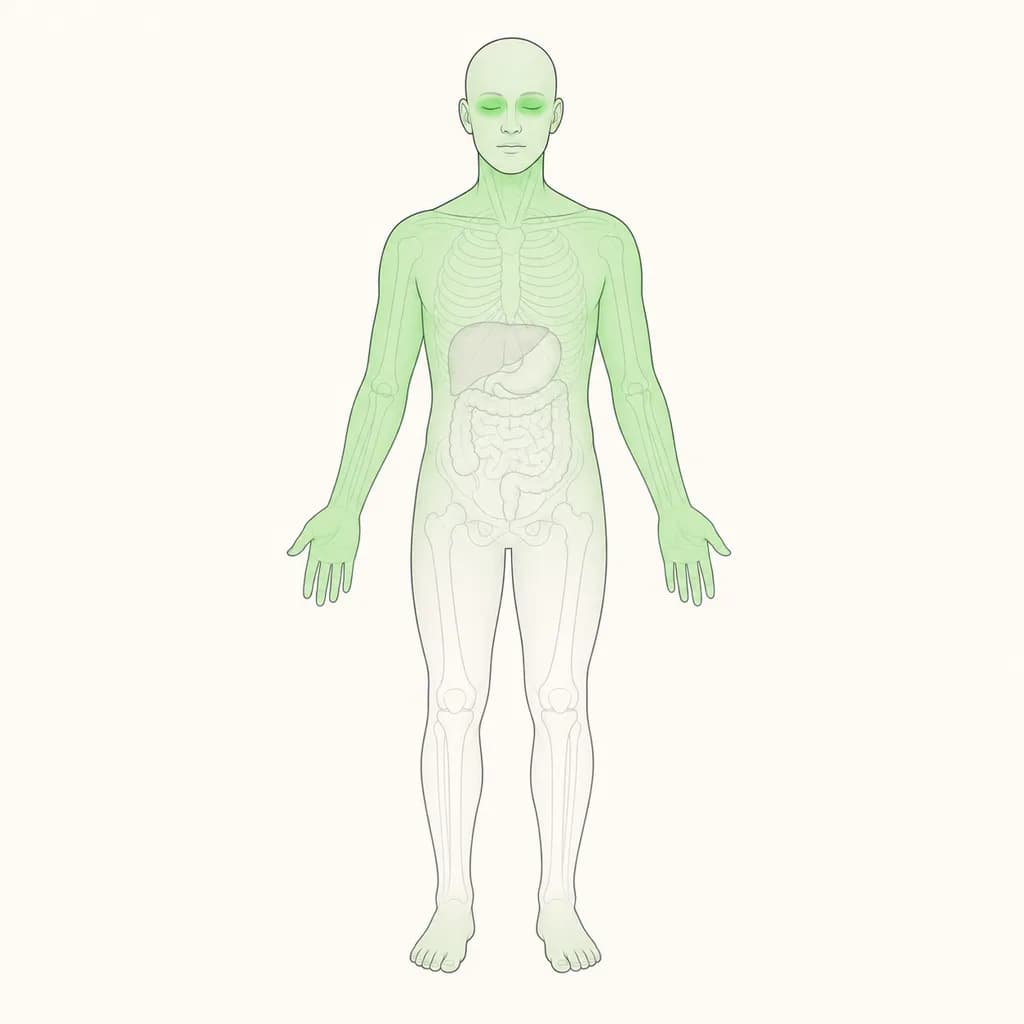
Cirrhosis is extensive scarring of the liver. As healthy liver cells are replaced and the organ's structure becomes altered, the liver may be less able to take up, process and release bilirubin into bile. Bilirubin can then rise in the bloodstream, producing yellowing in the whites of the eyes and skin. Changes in bile flow can contribute as well.
Jaundice is a common presentation of Liver Cirrhosis. Yellowing can also result from other liver or bile-duct problems, which is why a new change should be assessed promptly.
Practical next steps
Tell your liver team or clinician promptly about new yellowing, dark urine, pale stools, worsening itching, abdominal swelling, fever or a change in alertness. Keep taking prescribed treatment unless your clinician changes it, and avoid alcohol. Check with a pharmacist or clinician before taking pain medicines, cold remedies, supplements or herbal preparations, since some may be unsuitable in liver disease.
When care cannot wait
Seek urgent medical care if jaundice comes with confusion, unusual sleepiness, fever or chills, vomiting, severe abdominal pain, vomiting blood, black stools, or a rapidly swollen abdomen. These can be signs of serious complications in someone with liver disease. Ask a clinician for an individual action plan if you already have cirrhosis.
Topics to raise at review
Ask whether the bilirubin change suggests a flare in liver dysfunction, a bile-flow problem, infection or another cause. Discuss which blood tests and scans are useful, how to monitor fluid swelling and confusion, and which medicines should be avoided. It can also help to ask who to contact outside routine appointment hours.
Find care
General Clinics & Polyclinics in Abu Dhabi
That answer is general. If you want it applied to your own case, these are licensed general clinics & polyclinics listed in Abu Dhabi.
27 Ar Ruwwad St - Shakhbout City - MSH4 - Abu Dhabi - United Arab Emirates
Accepts: Daman, Thiqa, Cigna, MetLife +20 more
Al Ruwais, Al Dhafrah
Accepts: Daman, Thiqa, AXA, Cigna +16 more
Al Bahyah - Al Bahyah Old - Abu Dhabi - United Arab Emirates
Accepts: Daman, Thiqa, Cigna, Allianz Care +18 more
Abu Dhabi
Accepts: Daman, Thiqa, AXA, Cigna +27 more
Ordered by verification status and how complete each clinic's public record is, then alphabetically. This is a directory listing, not a ranking — Zavis does not rate or recommend providers.
A factual listing drawn from the DHA, DOH and MOHAP licence registers. It is not a referral, an endorsement, or advice that any of these providers is right for you.
Questions people ask
Can jaundice fluctuate with cirrhosis?
Its appearance can change as bilirubin levels and bile flow change. Any new or worsening yellowing should be reported to the clinician managing the liver condition.
Why are pale stools relevant?
Bile pigments normally contribute to stool colour. Pale stools can occur when less bile reaches the intestine and should be mentioned during assessment.
Keep reading
Medical disclaimer. This page is general health information, not medical advice, and it cannot diagnose you. Always consult a licensed healthcare provider about your own symptoms and treatment. In an emergency in the UAE, call 998 for an ambulance.