
Why does fetal growth restriction cause reduced baby movements?
Updated
Short answer
Fetal growth restriction can cause reduced baby movements when limited placental support leaves the baby with less energy for activity.
This answers one question. It is not a diagnosis and does not replace an assessment by a licensed doctor.
At a glance
- Possible mechanism
- Reduced placental delivery of oxygen and nutrients
- Best guide
- A change from your baby's usual movement pattern
How growth restriction affects movement
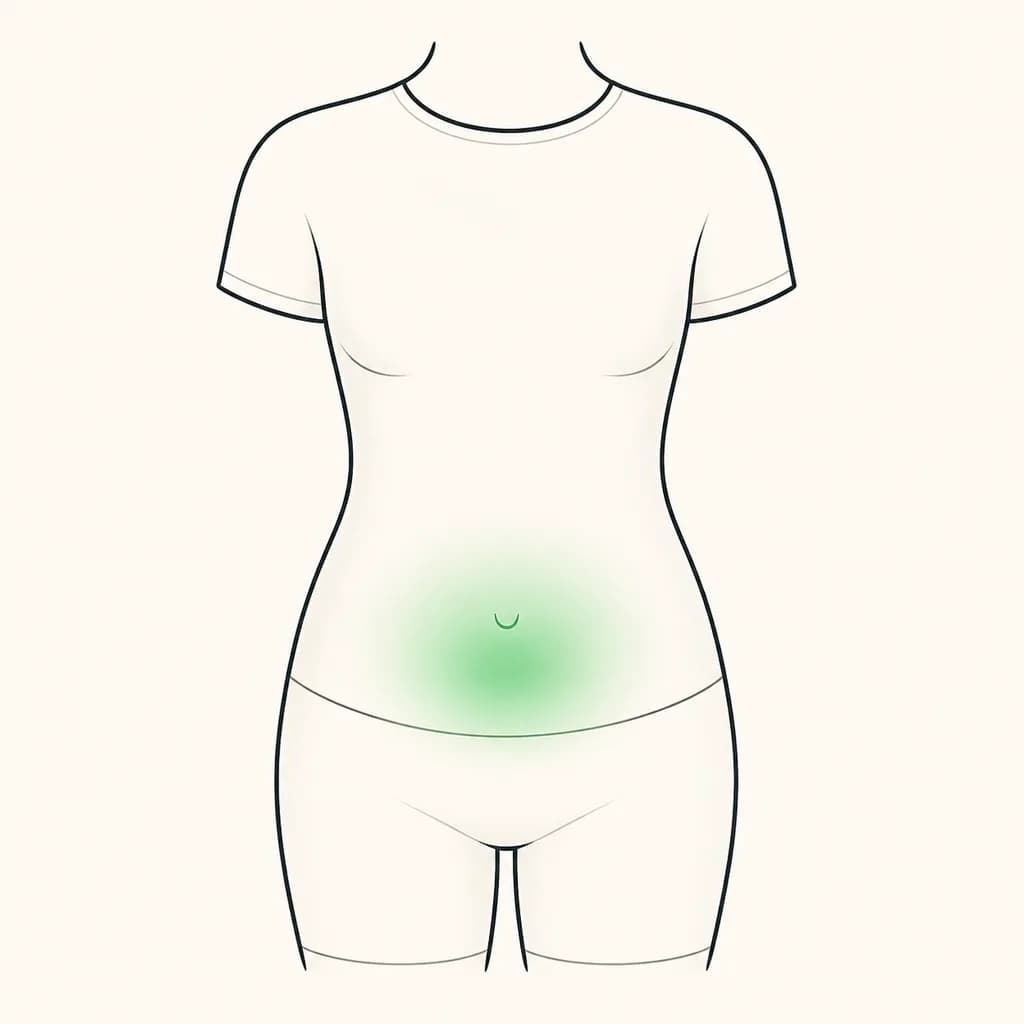
Reduced Baby Movements is a common presentation of Fetal Growth Restriction. Growth restriction means a baby is smaller than expected or is not growing as expected, often because the placenta is not delivering enough oxygen and nutrients. When the baby's energy supply is under pressure, activity may become less frequent or feel weaker. Movement also changes with sleep periods, the baby's position, and the stage of pregnancy, so a change from your baby's usual pattern deserves attention. Movement alone cannot confirm the cause.
What to do after noticing a change
Pause and focus on your baby's usual movement pattern in a quiet setting, but do not delay contacting your maternity unit for reassurance or assessment. A clinician may check the baby's heartbeat, growth, fluid level, and blood flow through the placenta. Keep any scheduled monitoring appointments, because growth restriction often needs repeated checks rather than one measurement.
When to seek care
Contact your maternity unit promptly if movements are less frequent, weaker, or different from your baby's normal pattern. Seek urgent assessment if you cannot feel movement, particularly after trying the advice given by your maternity team. Do not wait until the next day or rely on a home Doppler, because hearing a heartbeat does not show whether the baby is receiving adequate support.
Questions for your doctor
Ask how your baby's growth is being measured, what movement pattern is expected at this stage, how often monitoring is needed, and whom to contact outside appointment hours. Ask what findings would change the plan for observation, further testing, or delivery.
Find care
General Clinics & Polyclinics in Dubai
That answer is general. If you want it applied to your own case, these are licensed general clinics & polyclinics listed in Dubai.
The Court Residence, 39B Street, Jumeirah 1, Dubai
Accepts: Tabby, Tamara
Elite Business Bay Residence - Shop 03 & 04, 34 Marasi Dr - Business Bay - Dubai - United Arab Emirates
Accepts: Tabby
Airport View Building, Al Garhoud, Dubai
Accepts: Daman, Thiqa, AXA, Cigna +25 more
IBIS Building, 5th Floor, Unit 5003, Deira, Dubai
Accepts: AXA, Cigna, MetLife, Allianz Care +18 more
Ordered by verification status and how complete each clinic's public record is, then alphabetically. This is a directory listing, not a ranking — Zavis does not rate or recommend providers.
A factual listing drawn from the UAE health regulators' public licence registers. It is not a referral, an endorsement, or advice that any of these providers is right for you.
Questions people ask
Can a baby with growth restriction still move normally?
Yes. Movement varies between babies, and normal movement at one moment does not replace the monitoring plan recommended by your maternity team.
Should I wait for my next appointment?
No. A clear reduction or change in movement should be reported promptly for assessment.
Medical disclaimer. This page is general health information, not medical advice, and it cannot diagnose you. Always consult a licensed healthcare provider about your own symptoms and treatment. In an emergency in the UAE, call 998 for an ambulance.